




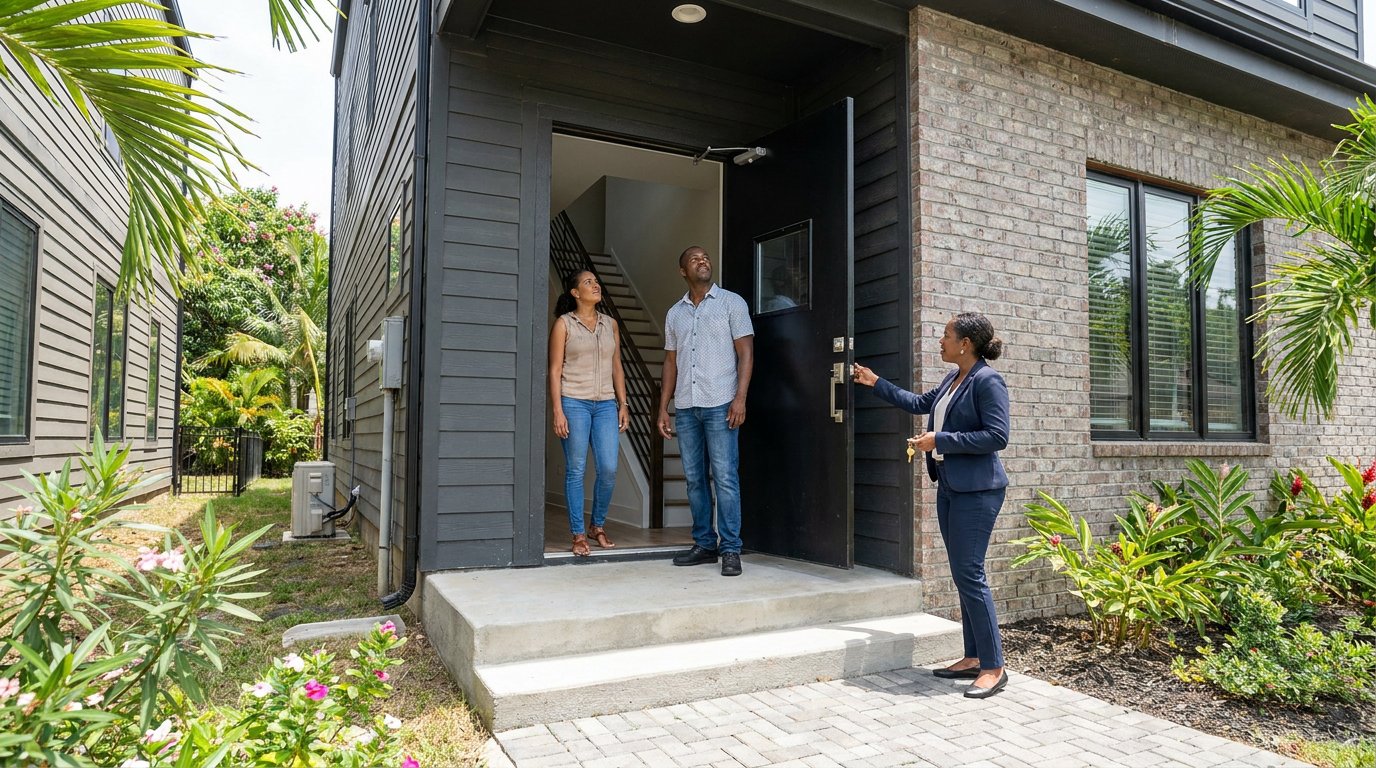
Foreign buyers can buy a house in Trinidad: under the Foreign Investment Act of 1990, non-citizens may purchase up to 1 acre of land in one parcel for residential use. Tobago has an additional step: foreign nationals must apply for a licence to buy in an authorized zone. The rule is a useful starting point, but choosing a home also means weighing location, property type and financing.
It’s natural to want a clear idea of what your budget can buy before viewing homes. Prices vary across Trinidad, and a house, apartment or vacant lot may suit very different plans and budgets.
This guide covers homes and land for sale, examples of house and apartment prices, and how mortgages and pre-approval work. It also outlines key points for foreign buyers, so you can understand the rules and plan your next steps.
Key Takeaways
- Understand how foreign-buyer rules differ between Trinidad and Tobago before deciding where to focus your search.
- Compare homes, apartments and vacant land across different communities to narrow your options.
- Use mortgage pre-approval to set a practical budget, keeping in mind that lending conditions can depend on residency status and property type.
- Review local listing examples to see how prices vary by location, size and property type, then explore sales listings that fit your plans.
1. Can foreigners buy property in Trinidad & Tobago?
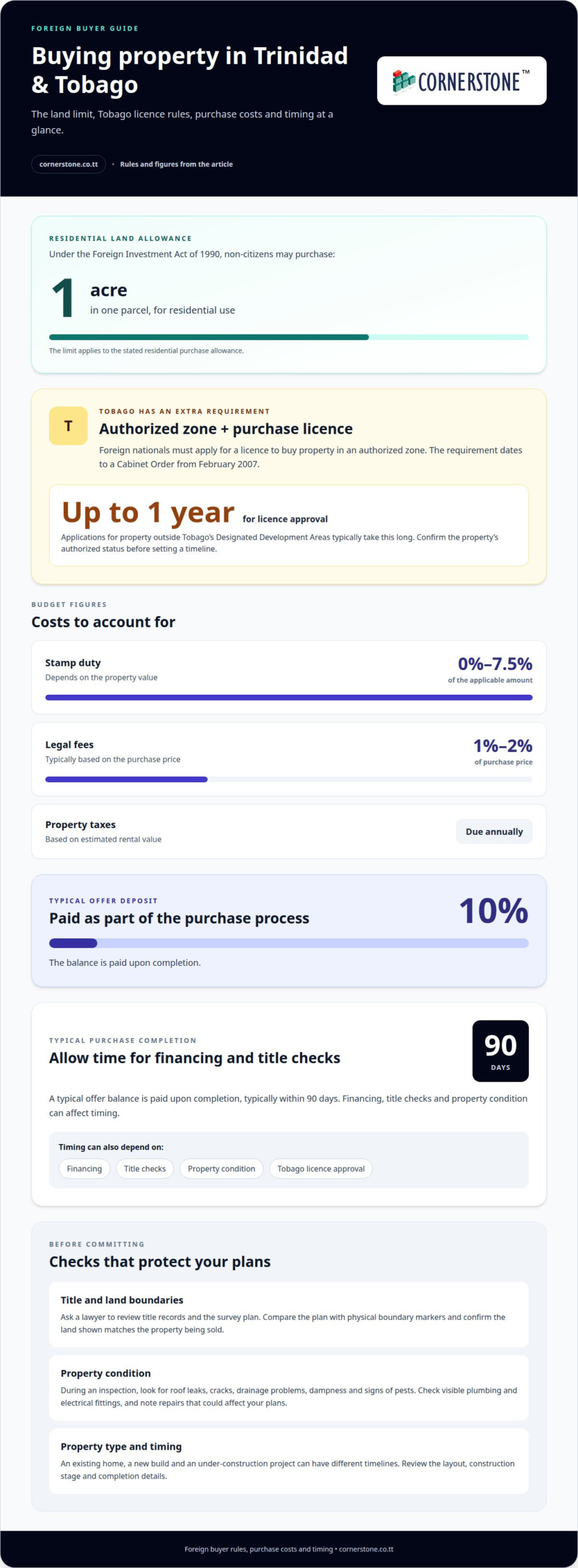
Yes. Under Trinidad and Tobago’s Foreign Investment Act of 1990, non-citizens may buy up to 1 acre in one parcel for residential purposes. Tobago has an extra requirement: foreign nationals must apply for a licence to buy property in an authorized zone. The licence requirement dates to a Cabinet Order from February 2007.
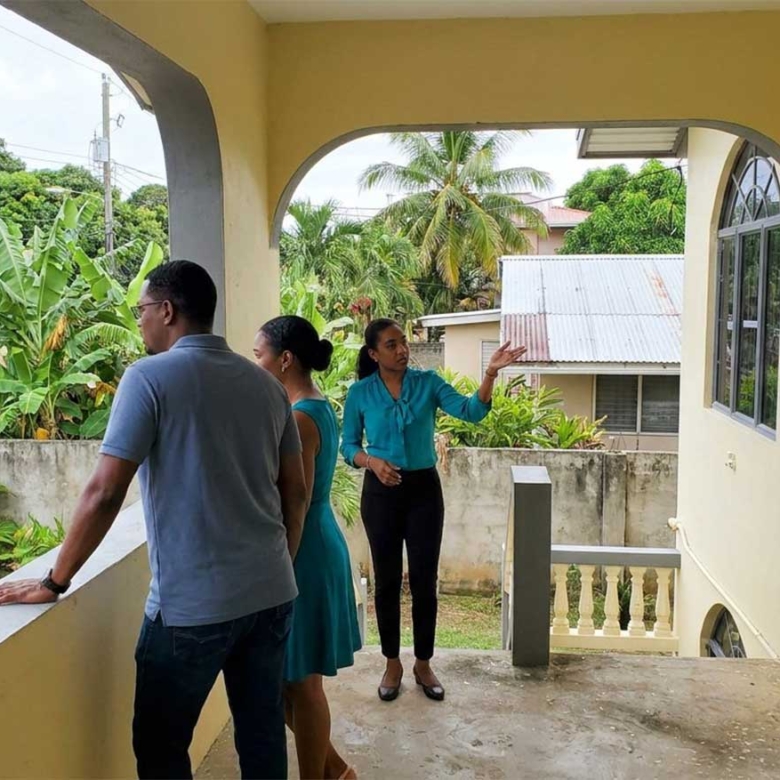
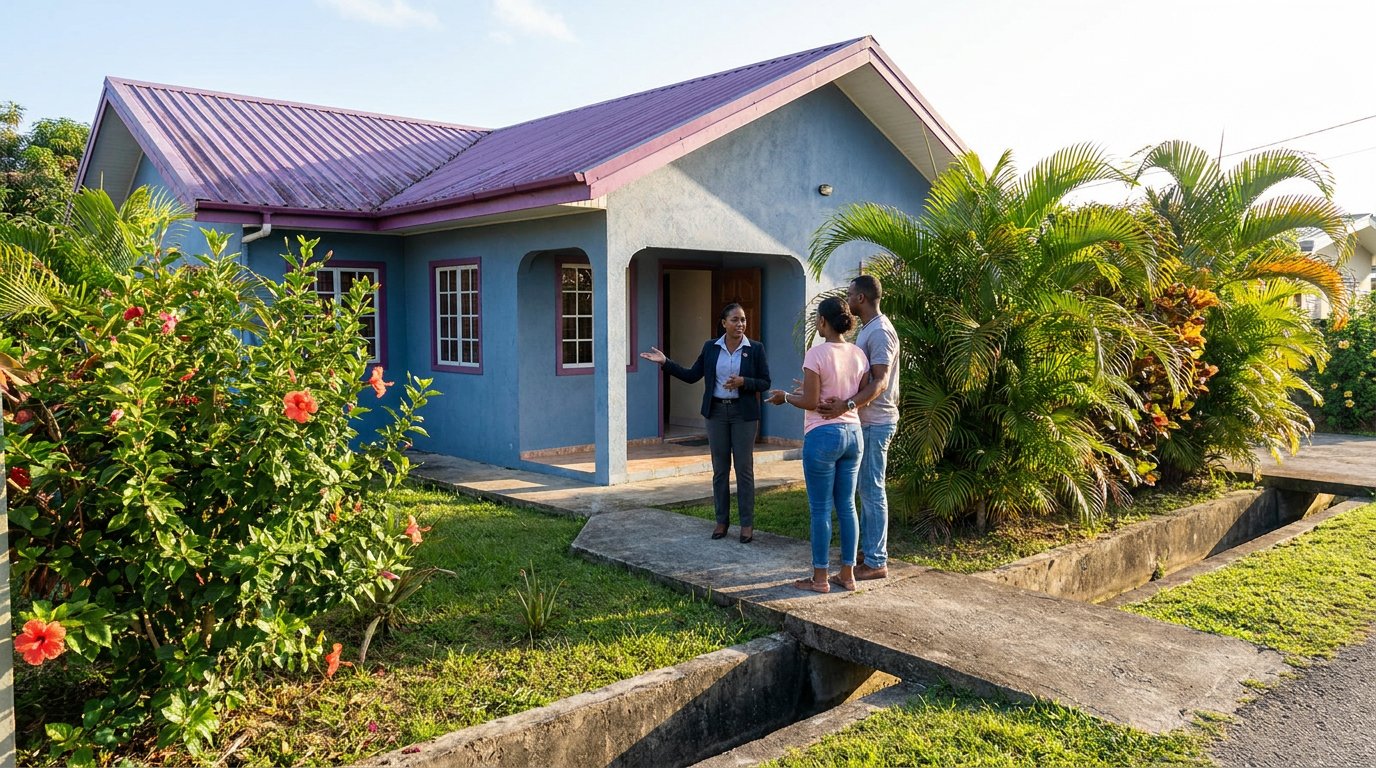
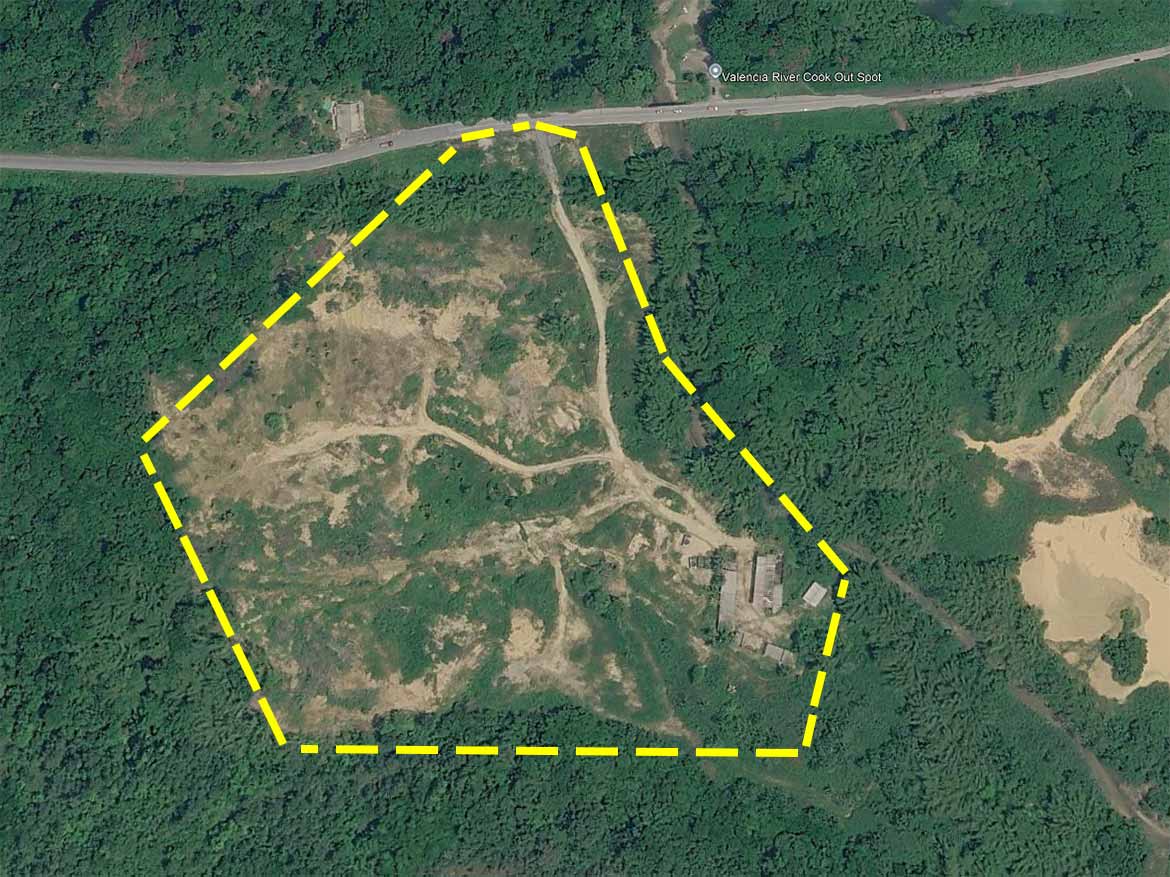
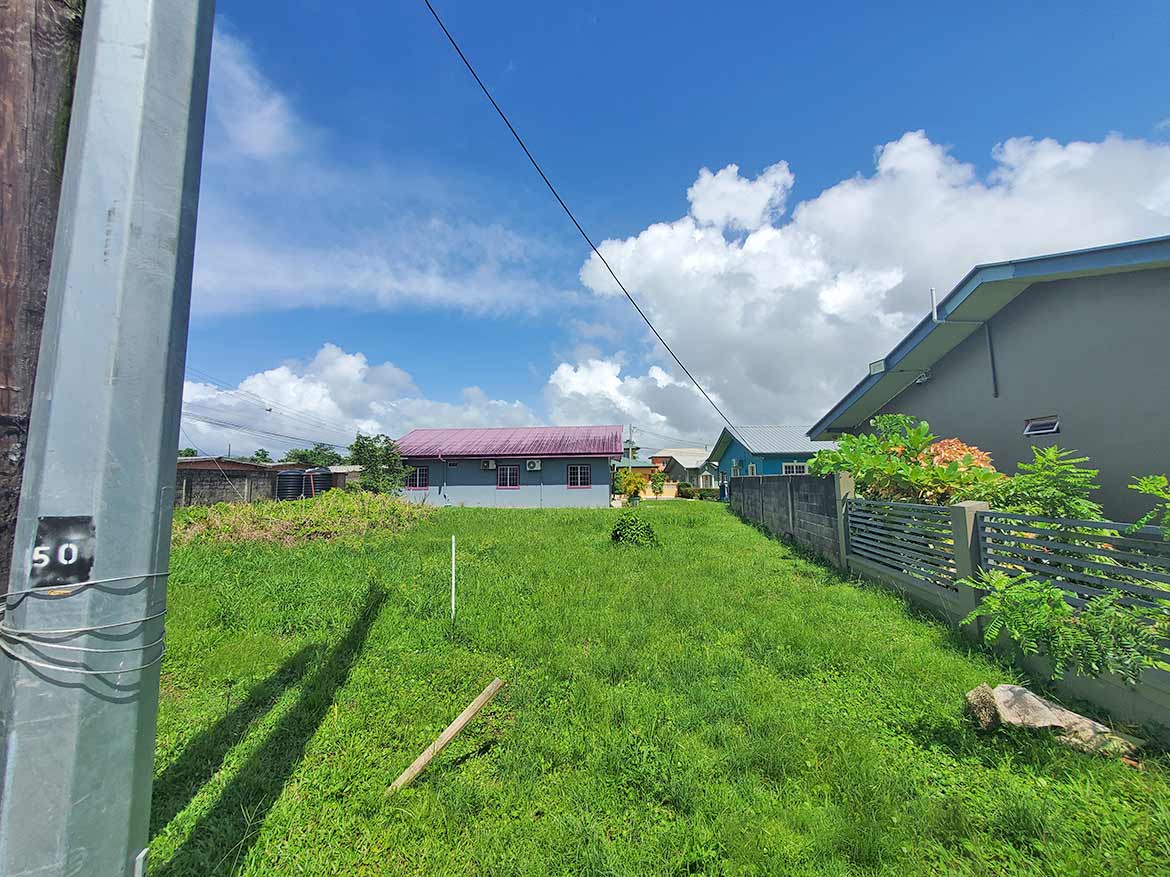
Foreign buyers can explore homes, condos, townhouses and residential properties, including new builds, previously owned homes and under-construction projects. Compare listings by bedrooms, bathrooms, location and land size. For example, a Las Lomas land listing offers lots from 6,790 square feet. A lifestyle buyer might prioritize access to work and family, while an investor may focus on rental potential and upkeep.
Before committing, make sure the property’s title and construction stage suit your plans. A new or under-construction home may involve a different timeline from an existing residence. Review the layout, completion details and surroundings. If you’re buying as an investment, consider whether the property type and location fit the tenants you hope to attract.
Buying costs can include stamp duty, legal fees and annual property taxes. Stamp duty ranges from 0% to 7.5%, depending on property value; legal fees are typically 1% to 2% of the purchase price. Property taxes are based on estimated rental value and are due annually.
To buy, set your budget, compare listings, view suitable homes, make an offer and arrange financing. A typical offer includes a 10% deposit, with the balance paid upon completion, typically within 90 days.
Ask a lawyer to review the title records and survey plan. Compare the plan with the physical boundary markers, and confirm that the land shown matches the property being sold.
During an inspection, look for roof leaks, cracks, drainage problems, dampness and signs of pests. Check visible plumbing and electrical fittings, and note any repairs that could affect your plans.
A typical purchase completes within 90 days, though financing, title checks and the property’s condition can affect timing.
2. Homes and land for sale across Trinidad and Tobago
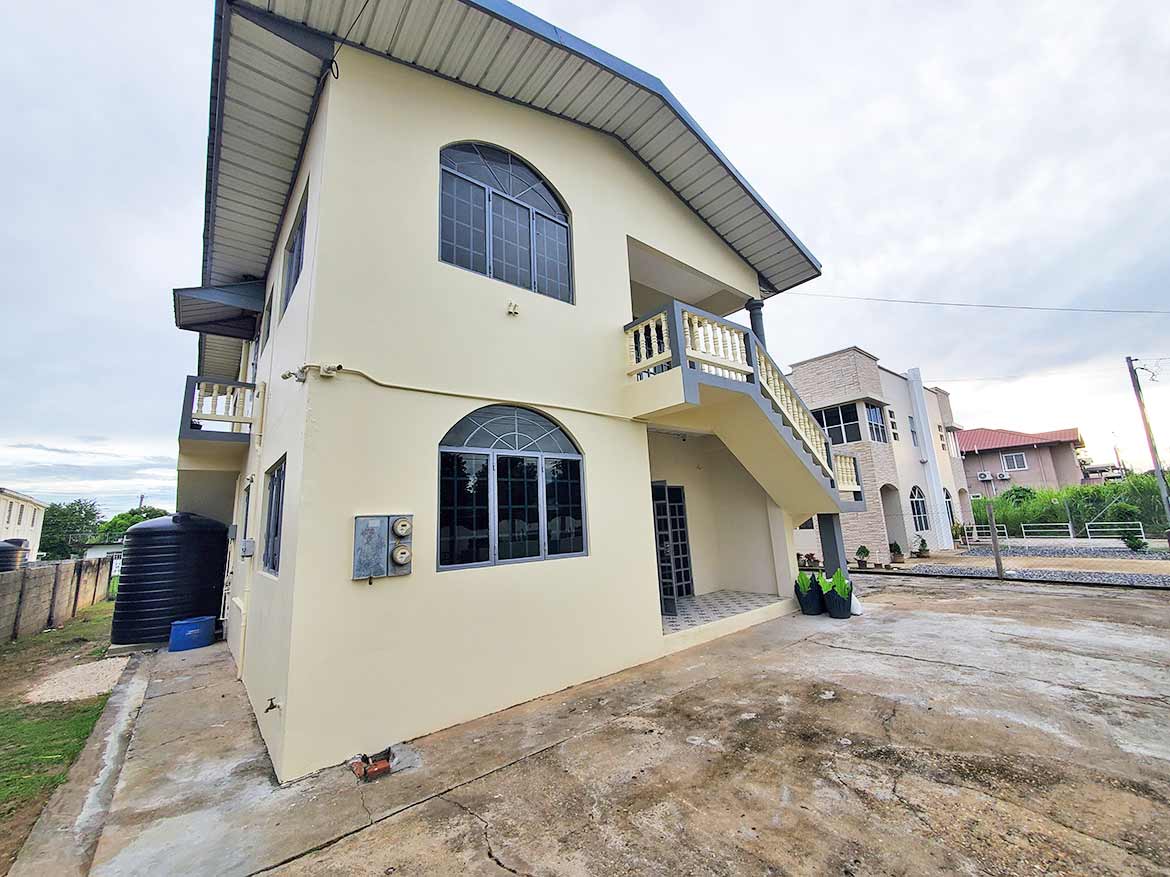
Listings across Trinidad and Tobago include detached homes, apartments, townhouses and vacant land. Compare established homes with new builds or projects under construction, keeping in mind that each suits a different timeline. You can view an existing house as it stands. With a developing project, pay close attention to its construction stage and expected completion details.
Start your search by considering the setting and your everyday needs. Land listings in Freeport, Tortuga and Las Cuevas illustrate the range of communities and settings available. Sangre Grande listings include houses and land, while Woodbrook has apartment options. Before arranging viewings, compare bedrooms, bathrooms, land area and access to the places you need to reach regularly.
Foreign buyers considering property in Tobago face an additional step. A non-national must find property in an authorized zone and apply for a purchase licence. Tobago’s Designated Development Areas are relevant: licence applications for property outside those areas typically take up to one year for approval. Confirm whether the property is in an authorized area before setting your purchase timeline.
The documents you need depend on the property and how you plan to pay. Prepare identification and, if you’re financing the purchase, the records requested by the lender. The transaction file also includes the offer, sale agreement and property title documents. For a Tobago purchase, include the purchase licence application where required. Keeping these papers organized helps you manage each step.
Shortlist properties by purpose, not just appearance. A family home may need enough bedrooms and convenient access to school or work; an investment property calls for attention to location and rental appeal. Compare the details in each listing, then arrange viewings for suitable homes. Explore available homes and land listings as you refine your search.
3. Mortgage information and pre-approval
If you plan to buy a house in Trinidad, start mortgage discussions before choosing a home. Retail banks in Trinidad and Tobago may offer mortgage interest rates as low as 4%. Some banks offer 100% mortgage financing. These are available options, not terms every buyer receives. Borrowing amounts and conditions depend on your finances, residency status and property type.
Pre-approval helps you set a workable budget before viewing homes if you plan to buy a house in Trinidad. A lender reviews your financial position and estimates how much financing it could provide. Prepare information about your income, regular debts, savings and the type of property you hope to buy. Ask how interest, repayments, fees and any deposit requirement affect the loan. Compare the full repayment commitment, not just the advertised rate.
Once you receive a pre-approval decision, use it to guide your search and compare expected purchase costs with the potential loan amount. If the price or property type changes, revisit the figures with the lender. Financing for a townhouse, for example, may be assessed differently from financing for vacant land. Keep your lender communications together as you move from viewings toward an offer.
Mortgages in Trinidad and Tobago are available to locals and expatriates, but conditions vary by residency status and property type. If you’re a non-resident, discuss both factors with the lender early, before committing to a particular home. The lender can explain which income records and other documents are needed to assess your application. Don’t assume that financing available to a local buyer applies to an expatriate on the same terms.
Pre-approval is a planning step, not a final mortgage offer. After you choose a property, the lender assesses that specific home and completes its review. Leave room in your budget for the final loan terms so you can better understand the financing needed for your chosen home.
4. House and apartment prices
To buy a house in Trinidad, compare asking prices for similar homes instead of relying on one market-wide figure. These examples show how prices can differ by location, even for homes with the same number of bedrooms.
House prices also vary by size and community. Compare land, condition and layout alongside the asking price.
Larger homes can have substantially higher asking prices. These listings show how size and location shape choices in this Caribbean market.
When comparing apartments, consider building type, room count and community together. The Woodbrook example costs more than the Aranguez listing, but price alone cannot tell you which home better suits your household or plans. Review each property’s features and setting to decide whether the difference makes sense for you.
Deciding where to buy a house in Trinidad starts with a clear shortlist. Choose an area and property type, then compare similar listings and their features. Use asking prices as a planning resource, not a guarantee of the final sale price. Browse homes for sale to explore options that fit your plans.
Cornerstone: Property sales
When you’re ready to move from comparing homes to finding one that fits, Cornerstone can help you explore property sales in Trinidad and Tobago. Share the property type, location and features that matter to you, then browse suitable listings and consider your next steps.
If you’re considering a sale or purchase, a property market opinion can provide a no-obligation perspective on the market. It isn’t a licensed valuation. If you plan to rent out a home, Cornerstone also offers property rentals and property management to support the practical side of ownership.
Whether you’re looking for a family home, an apartment or land, take your time comparing options against your budget and plans. Visit Cornerstone online to explore property sales and get in touch.
Take the next step toward a home that fits
Start by writing down what matters most in your day-to-day life. Note your preferred areas, the space you need and the features you’re willing to compromise on. This short list can help you compare homes clearly and avoid being drawn to a property that looks appealing but doesn’t suit your plans.
If you’re ready to buy a house in Trinidad, share your priorities and questions with Cornerstone. We can help you explore property options and discuss your plans without pressure. A thoughtful search takes time, so choose a next step that feels manageable for you.
Contact Cornerstone to discuss your plans, and take the next step at your own pace.
Frequently Asked Questions
Can foreigners buy property in Trinidad & Tobago?
Yes, non-citizens can purchase residential property in Trinidad and Tobago. For residential purposes, the Foreign Investment Act of 1990 allows non-citizens to purchase up to 1 acre of land in one parcel. Before settling on a property, identify whether it is freehold or leasehold and confirm that its intended use suits your plans. Tobago has an additional purchase-licence requirement.
What is the average price of a house in Trinidad and Tobago?
There isn’t one useful average price for every house: asking prices vary by location, land, size, condition and property type. A small apartment and a larger detached home aren’t like-for-like comparisons. To set a practical budget, compare properties with similar bedroom counts and features, then allow for purchase expenses and any work the home may need.
Which areas in Trinidad are best for buying a house?
The best area depends on how you’ll use the home and what your daily routine requires. If you commute, consider travel routes and access to work; if you have children, think about schools and family support. For an investment, consider the property’s appeal to likely tenants. Shortlist a few communities, compare similar homes and visit at different times of day.
How do mortgages and home loans work in Trinidad and Tobago?
A bank reviews your finances and the property before deciding whether to offer a home loan and on what terms. Pre-approval can help you set a working budget before making an offer, but the lender still assesses the chosen property and completes its review. Ask how repayments, interest and other loan conditions affect your total commitment, not just your initial budget.
Can foreigners buy property in Trinidad, and what rules apply?
Yes. In Trinidad, non-citizens may purchase up to 1 acre of land in one parcel for residential purposes. In Tobago, a foreign buyer must find a property in an authorized zone and apply for a licence. Applications for properties outside Designated Development Areas typically take up to one year for approval, so account for that timing when planning.
Is it better to buy a new-build or resale home in Trinidad?
Neither option is automatically better. The right fit depends on your timing, priorities and tolerance for uncertainty. A resale home lets you assess the existing building and its setting in person. With a new build, pay close attention to the construction stage, plans, included finishes and completion terms. Compare these details alongside location and layout before deciding.