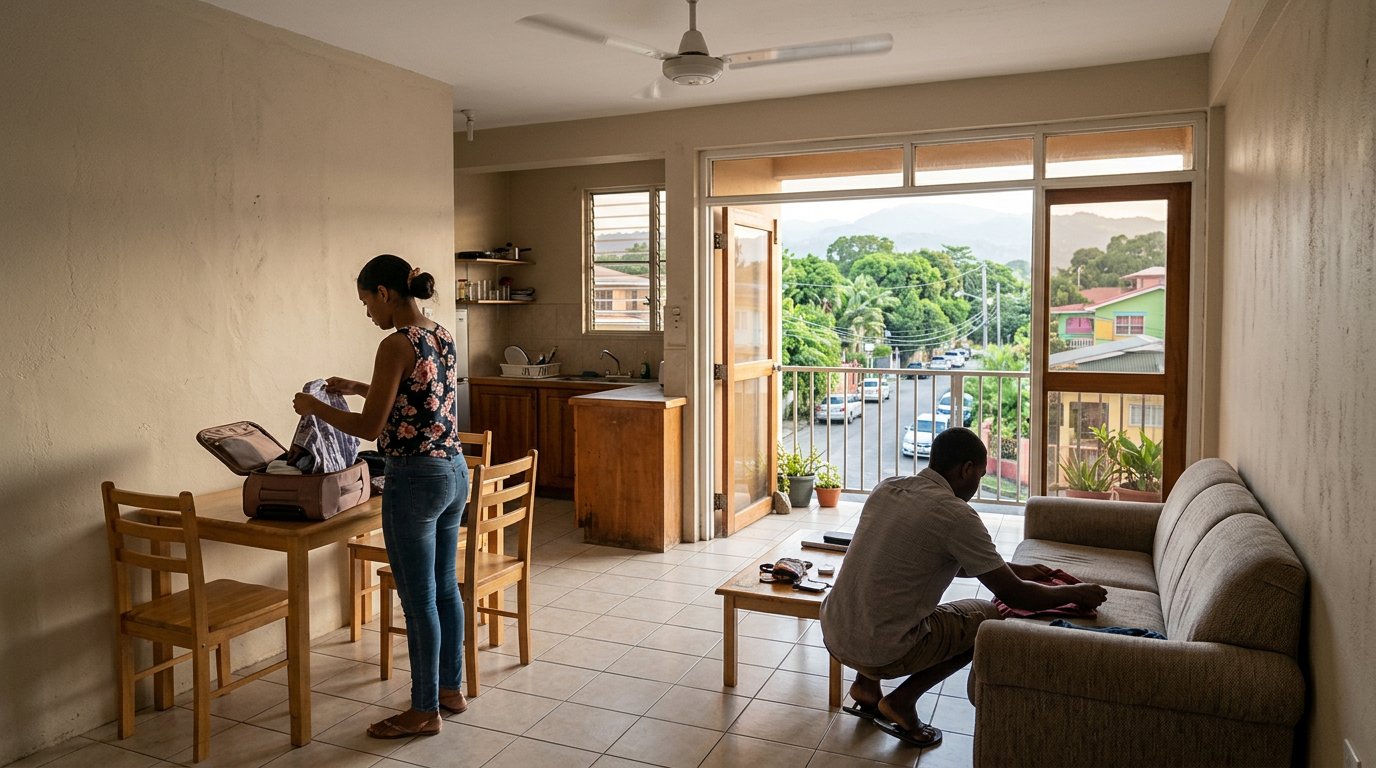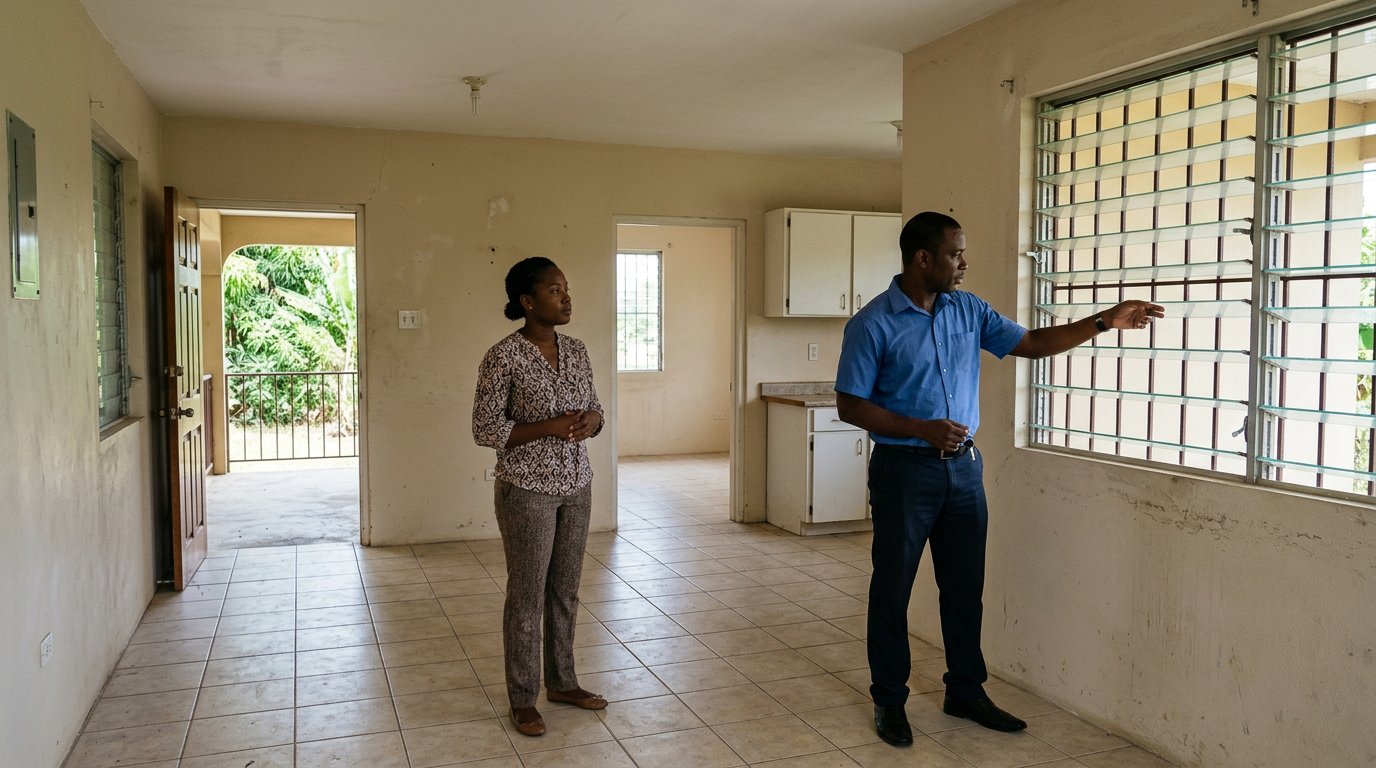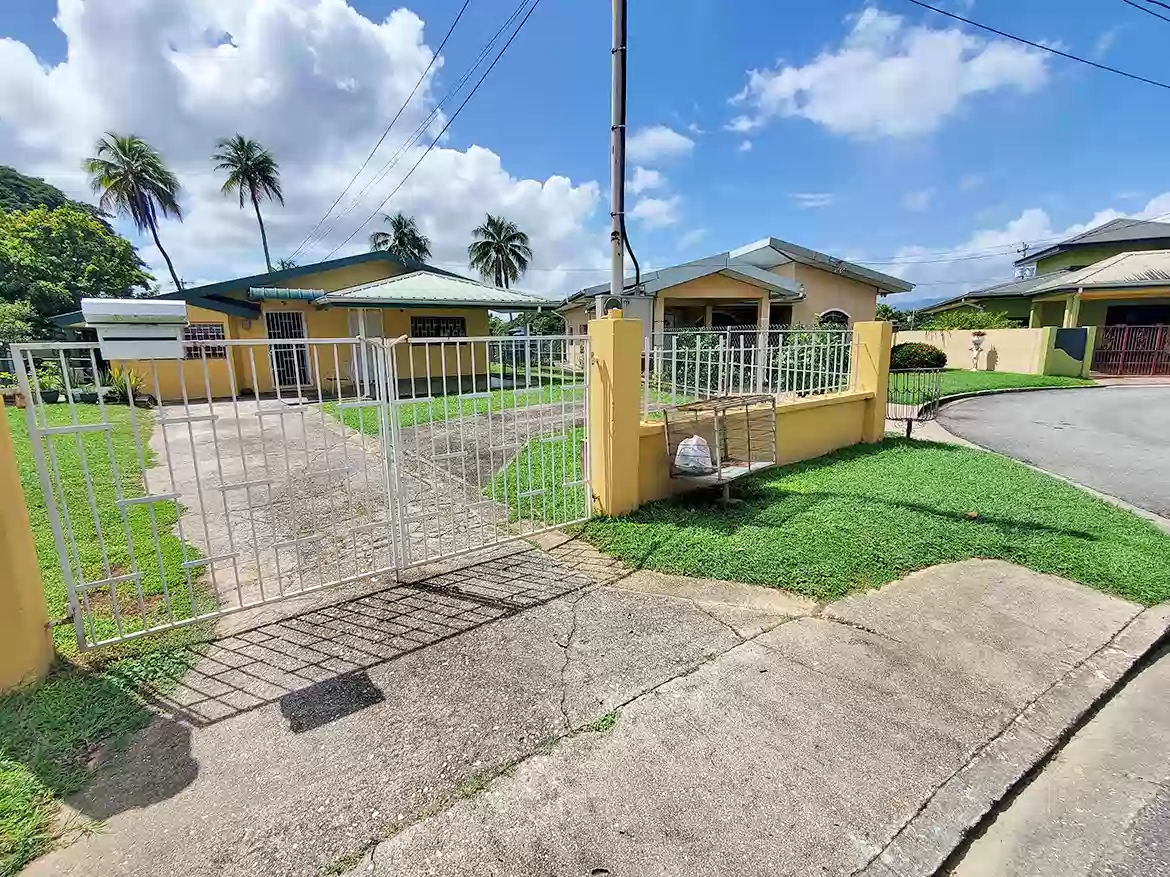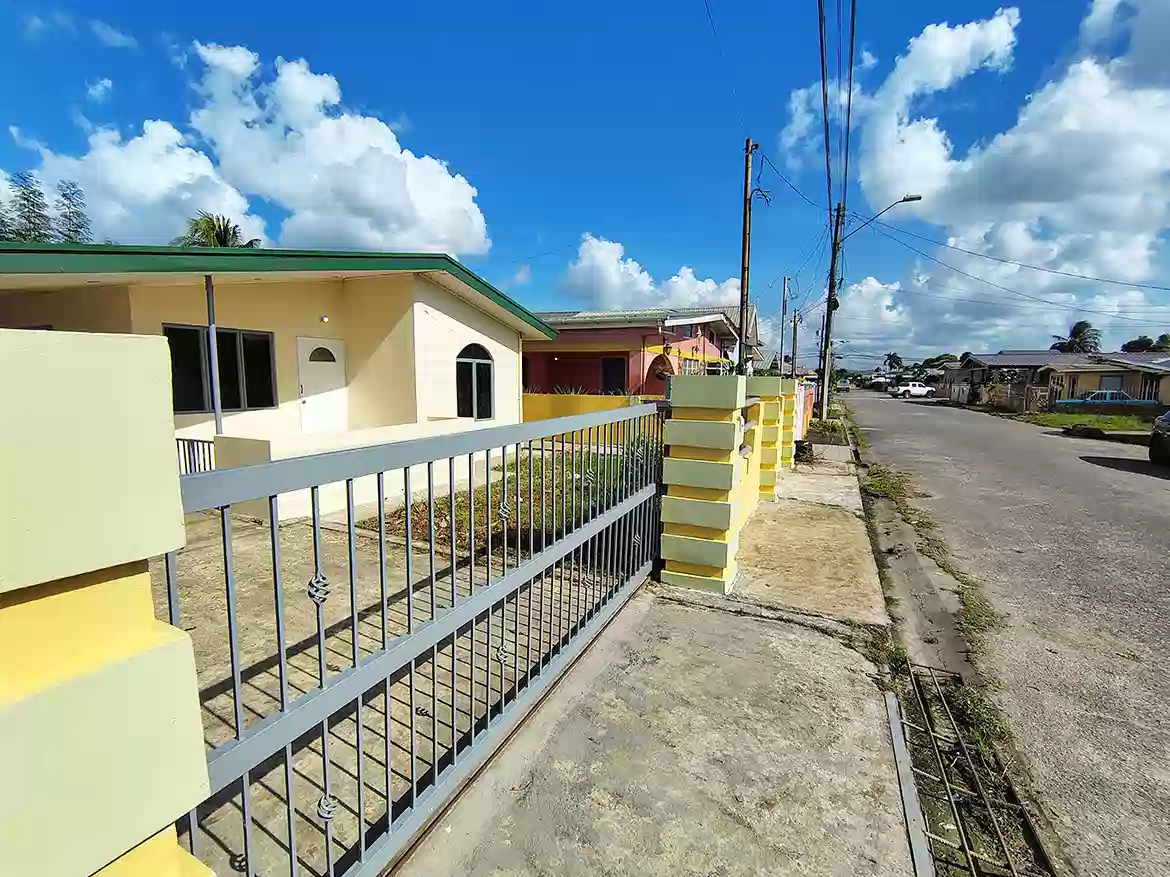







Outstanding bills aren’t automatically handled by a property manager. The written agreement should specify which bills are administered, who approves repairs or other expenses, and how you receive updates. For property management for landlords in Trinidad & Tobago, this clarity helps you understand what support is included and which responsibilities remain yours.
This guide explains how management arrangements, bills, lease changes, repairs, tenant replacement, cancellation terms, and owner support may be handled. It also covers how Cornerstone provides a secure online portal to help you follow property updates and records seamlessly across the nation.
Key Takeaways
- See which management duties may be handled for you and how to clarify responsibility for property bills in the agreement.
- Understand how lease changes, rent adjustments and repair decisions can be managed with clear communication.
- Know what to look for in tenant replacement and cancellation terms before you commit to a management arrangement.
- Explore how a dedicated manager and secure owner portal can support oversight, and where Cornerstone’s property management service may fit.
Property management services for landlords
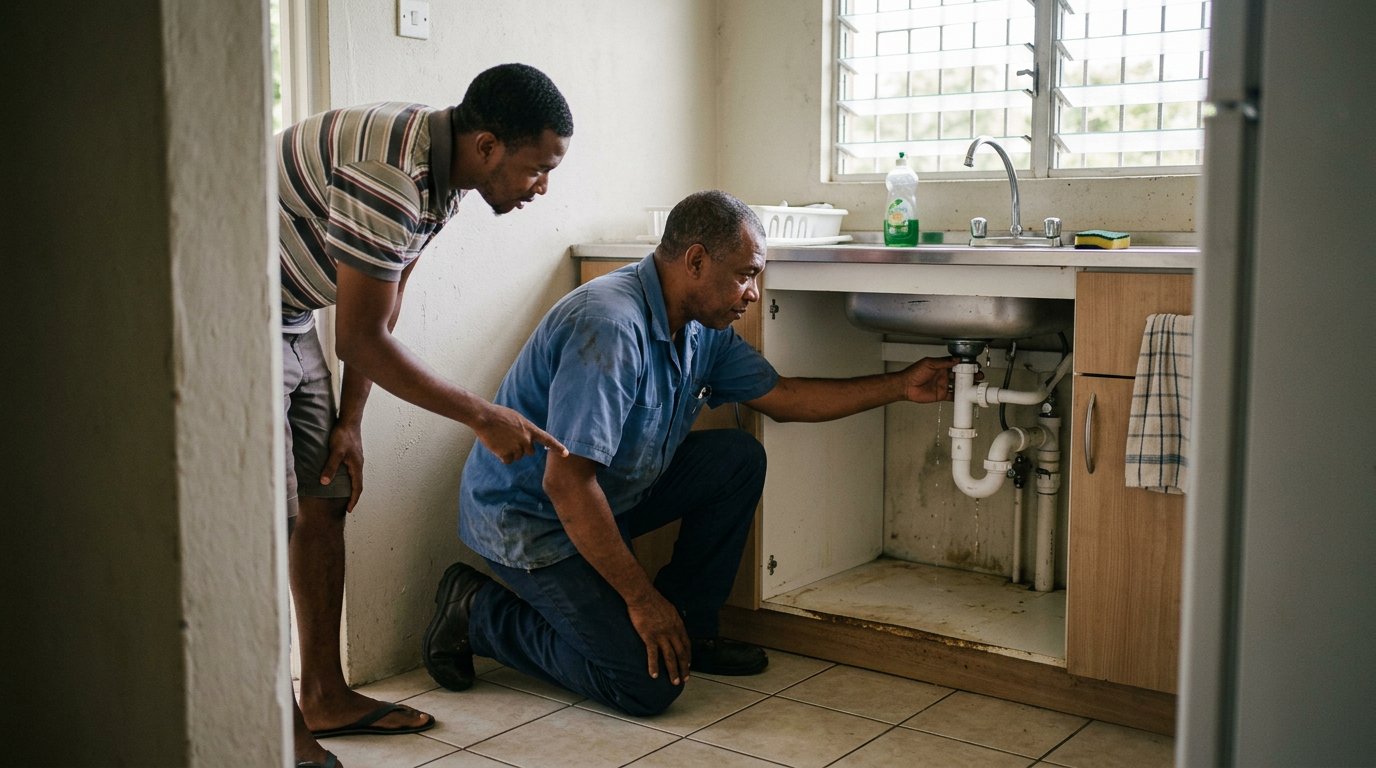
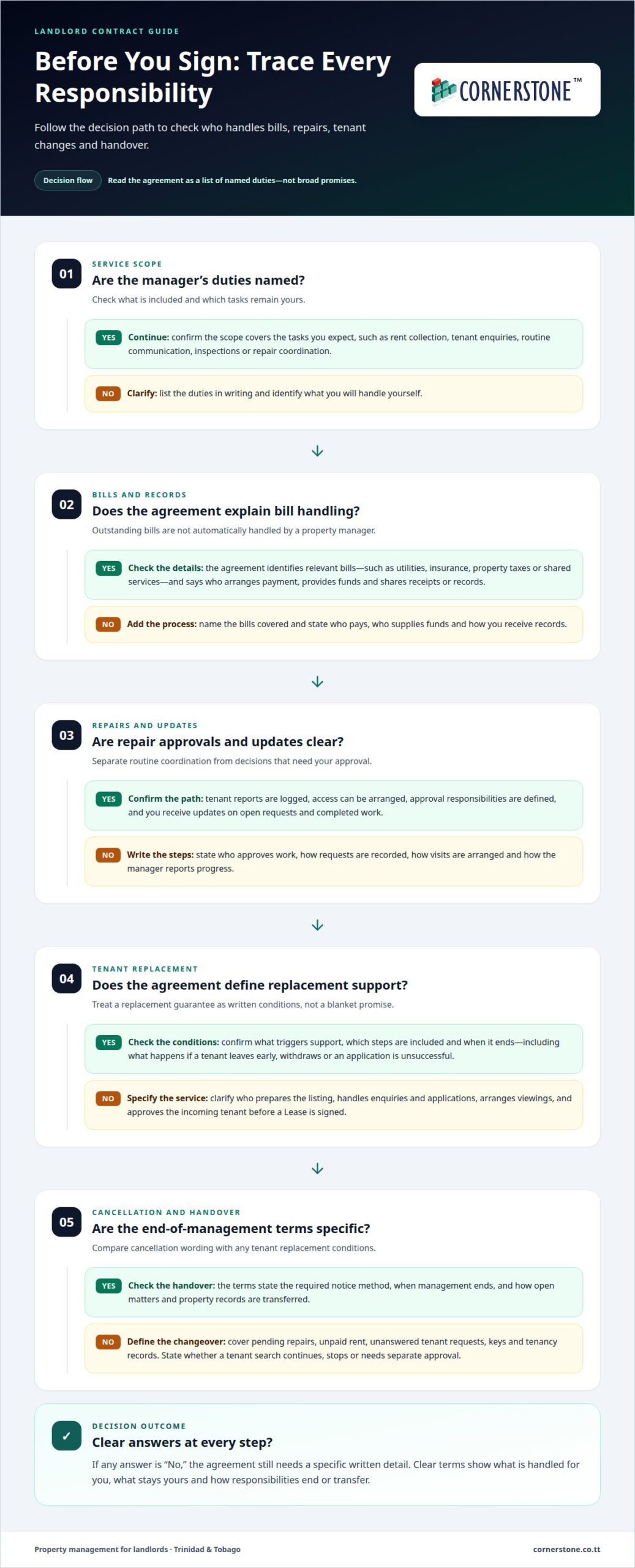
A management agreement should turn broad promises into named duties. For a rental home in Trinidad, it can cover tenant enquiries, rent collection, routine communication, inspections, and repair coordination. It should also explain which tasks remain yours. For example, a manager may arrange a plumber’s visit, while you approve work outside agreed authority. Clear boundaries help prevent confusion when a tenant reports a problem.
What should landlords look for in a Trinidad property management contract? Review the written service scope, bill-handling process, repair approval rules, reporting arrangements, and termination terms. The agreement should identify bills such as utilities, insurance, property taxes, and shared services. It should say who arranges payment, who provides the funds, and how receipts or records are shared. These details clarify how outstanding bills are handled.
Day-to-day responsibilities may include:
- Recording rent received and providing you with an account record.
- Passing on tenant reports, such as a leaking tap or faulty gate.
- Arranging access for maintenance visits and sharing appointment details.
- Tracking open requests and updating both you and the tenant.
- Keeping relevant tenancy documents and property communications together.
The right scope depends on your rental property. A furnished apartment, for example, may require careful records of included appliances and reported faults. A standalone house may raise questions about yard care or shared access. The agreement should explain how requests are logged, when you approve work, and how completed tasks are reported. It should distinguish routine coordination from decisions that need your approval. For property management for landlords in Trinidad, these written responsibilities help you judge whether the service fits your property and expectations.
Rent increases, lease changes and repairs
Lease terms guide rent changes, while repair records help track a property’s condition. Managers can coordinate rent collection, tenant communication, inspections, and repair requests.
Rent and Lease Changes
Handle a proposed rent increase in line with the existing lease and its terms. A manager can record the proposal, explain it to the tenant, and keep a copy of any agreed change with the tenancy records. For example, record a change to the rent payment date clearly rather than relying on verbal messages.
Rental rules depend on the tenancy arrangement. According to the Ministry of Legal Affairs, if rent under a statutory lease is in arrears for six months, the landlord may apply to the Land Commission for redress. This specific rule concerns statutory leases, so it should not be assumed to cover every rental arrangement.
Repairs and Property Inspections
For a repair request, the manager can log the tenant’s report, arrange access, and update you. A report about a leaking pipe, for example, should identify the affected area and whether the leak is ongoing. Clear records help distinguish an urgent issue from routine upkeep.
Inspections can document the property’s condition and flag maintenance needs. The manager should record observations, such as a damaged door latch, then share the findings and proposed follow-up. The agreement should explain how rent collection is recorded, how missed payments are communicated, and how tenant disputes are logged. This gives you a clear view of each issue and the steps taken to address it.
Median studio rent in Trinidad is 1,350; median one-bedroom rent is 1,400; median two-bedroom rent is 1,990; median three-bedroom rent is 2,858; and median four-bedroom rent is 3,603. The Property and Real Estate Services Division has 150+ active lease agreements for State use in Trinidad and Tobago.
Tenant replacement and cancellation guarantees
When a tenant leaves, the property may become vacant and require new work. A manager may advertise it, respond to enquiries, arrange viewings, and process applications. The agreement should say whether tenant replacement is part of the service and what happens if a proposed tenant withdraws before moving in.
Read any replacement guarantee as a set of written conditions, not a blanket promise. The contract should explain what triggers replacement support, which steps are included, and when that support ends. Check how it addresses a tenant leaving early, an unsuccessful application, or a landlord changing the rent or property terms during advertising.
- Confirm who prepares the listing and handles tenant enquiries.
- Check how applications and supporting documents are reviewed.
- Clarify who approves the incoming tenant before a Lease is signed.
- Find out how viewing updates and application decisions reach you.
Cancellation terms matter too. Check the required notice method, when the management arrangement ends, and how open matters are handed over. For example, the agreement can explain who follows up on unpaid rent, pending repairs, or an unanswered tenant request during the changeover. It should also describe the return or transfer of tenancy records, keys, and relevant property information.
Before signing, compare the cancellation wording with the replacement terms. A guarantee may have conditions that no longer apply after the management agreement ends. Clear wording shows whether a new tenant search continues, stops, or needs separate approval, and which tasks remain unfinished when management changes. Keep each promise specific: the service, the qualifying situation, and when responsibility ends. This clarifies what happens if a tenant leaves or you end the arrangement.
Dedicated property manager and owner portal
A manager takes on agreed day-to-day tasks, while you retain oversight and key decisions. A portal can keep property updates and records together.
Manager Communication and Owner Access
A dedicated manager gives you a clear contact for tenant matters and property updates. A secure online portal can make records easier to access, including rent activity, maintenance requests, and tenancy documents. Before engaging a manager, define the tasks you need, review the written service scope, and agree how updates will reach you. The portal supports communication, but it doesn’t replace your decisions.
Available Management Services
Services for landlords in Trinidad and Tobago can include rent administration, tenant communication, repair coordination, and property records. The exact scope depends on the agreement. Property managers operate in Trinidad and Tobago, but each firm sets its own service area and property coverage. The agreement should name the locations and property types covered, rather than leaving those details unclear.
To get started, outline the tasks you want handled, review the proposed responsibilities, and agree on reporting and approval arrangements. Make sure the final agreement reflects those decisions before signing. For example, clarify whether the manager coordinates repairs or can also approve them within agreed limits.
Managing a rental yourself means handling tenant messages, records, and maintenance coordination directly. With a manager, agreed tasks can be handled for you, while ownership decisions and oversight remain yours. If you delay an approval or don’t provide funds for an agreed repair, work may stall. Keep access to the portal, review updates, and act on decisions that need your attention. Clear responsibilities show what the manager handles and what still depends on you.
Cornerstone: Property management
Cornerstone offers property management for residential landlords in Trinidad and Tobago. It may suit you if tenant communication and rental administration take time away from other responsibilities. The team’s familiarity with local real estate, developed over the company’s years in business since 2004, can help frame a practical discussion about your property. Begin by identifying the support you need and the decisions you want to retain.
A secure online portal gives landlords digital access to their management account. Discuss how you prefer to receive property information and updates. The written agreement should describe the manager’s role and the decisions that remain yours. For example, clarify how a tenant concern is passed to you and how you can follow its progress during the management relationship.
If you’re preparing to rent out a property, Cornerstone’s property rental service may fit your plans. If you’re weighing renting against selling, its property sales service may also be relevant. A property market opinion can help inform your thinking, but it is not a licensed property valuation. Each option serves a different purpose, so consider your plans before choosing a next step.
Before moving ahead, bring your priorities into one conversation. Discuss the property, the support you need, and how you want communication handled. Review the proposed agreement to see whether its scope matches your priorities. If you’re deciding between renting and selling, include that goal in the discussion. A clear starting point helps the team understand what matters to you and discuss a practical approach to your rental plans.
Contact Cornerstone to discuss property management for your rental.
Frequently Asked Questions
Do you handle all outstanding bills related to my rental property?
Only bills included in your management arrangement are handled. The agreement should identify which bills the manager administers and how you receive payment records. For example, it can explain whether a utility notice is processed by the manager or passed to you. This helps distinguish bills within the manager’s responsibilities from those you manage yourself.
Do you handle maintenance issues which happen late at night?
Late-night maintenance response depends on the service arrangements in your agreement. Don’t assume a manager provides round-the-clock coverage unless that is specifically agreed. Set out how a tenant reports urgent problems, who receives the report, and how approval decisions are handled. A burst pipe, for example, needs a different response from a loose cupboard handle that can be logged for later attention.
How do you screen Residents?
Rental applications can include identification, employment or income details, and references. These help establish an applicant’s identity and provide context about their ability to meet rental obligations. A manager can organize the application information for consideration. Your agreement should explain who reviews applications and who makes the final decision before a lease is offered, so the process is clear to everyone involved.
Looking for Trinidad Property Management Services?
Cornerstone provides property management for residential landlords in Trinidad and Tobago. The service may suit you if you want support with rental administration and tenant matters. Consider which responsibilities you want included and how you prefer to receive updates. The written agreement should describe the manager’s role, so you can see how the arrangement fits your property and the level of involvement you want to maintain.
When will rent be deposited into my account?
The timing depends on the rent collection and payment arrangements in your management agreement. Review how the manager records rent received, when a transfer is initiated, and how bank processing affects the deposit date. For example, the tenant’s payment date may differ from the date funds appear in your account. Clear records help you distinguish a late rent payment from a transfer that is still processing.
What property management services can you provide?
The management arrangement for your rental property is set out in a written agreement. Review the service scope and responsibilities together, including which tasks the manager handles and which decisions remain yours. For example, the agreement can distinguish tenant administration from repair coordination. Reading those terms gives you a clear understanding of the arrangement before deciding whether the service suits your needs.