






Knowing what to check before buying a home means looking beyond fresh paint and a tidy viewing. Assess the roof, plumbing, electrical systems, signs of damp, property history and title, then plan for the purchase and ongoing ownership costs. A home that fits your budget on paper should also suit your daily needs and the condition you’re prepared to maintain.
It’s easy to focus on the asking price, especially when you’ve found a place you like. But the full picture includes potential repairs, insurance, utilities and regular upkeep, as well as whether the home and its surroundings work for your routine.
This guide explains what to inspect during a viewing, what to ask the seller and how to assess your budget before deciding. You’ll also see why checking the lot, location and paperwork matters, so you can weigh a home’s appeal against its practical costs and needs.
Key Takeaways
- Look past cosmetic updates during a viewing and note signs of damp, leaks, uneven floors, or wear in major fixtures and systems.
- Ask about past repairs, renovations, roof condition, drainage, and any known boundary or access issues.
- Build your budget around more than the purchase price: account for insurance, utilities, maintenance, and possible repairs.
- Compare the home’s ongoing costs with your income, debts, and daily needs before deciding whether it’s a comfortable fit.
1. Inspect fixtures, plumbing, electrics, roof and signs of damp
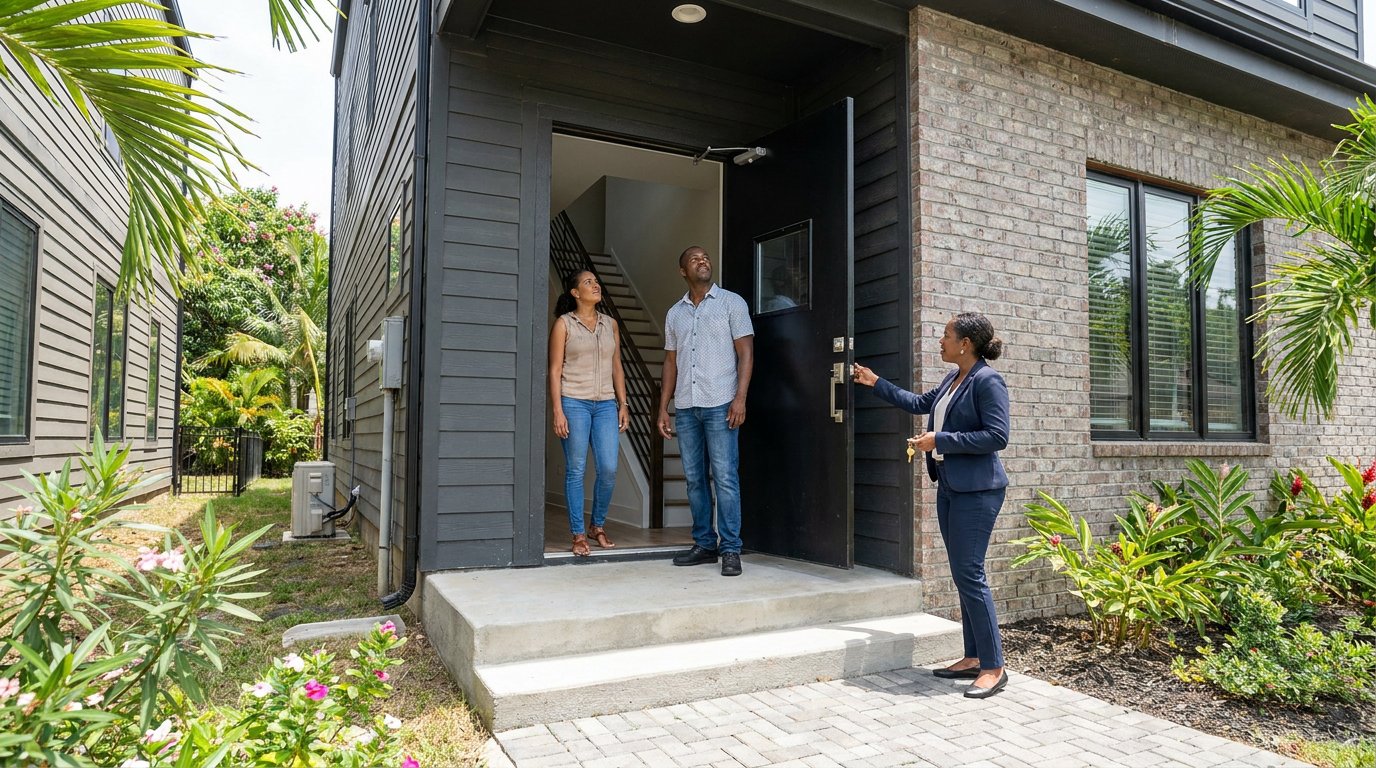
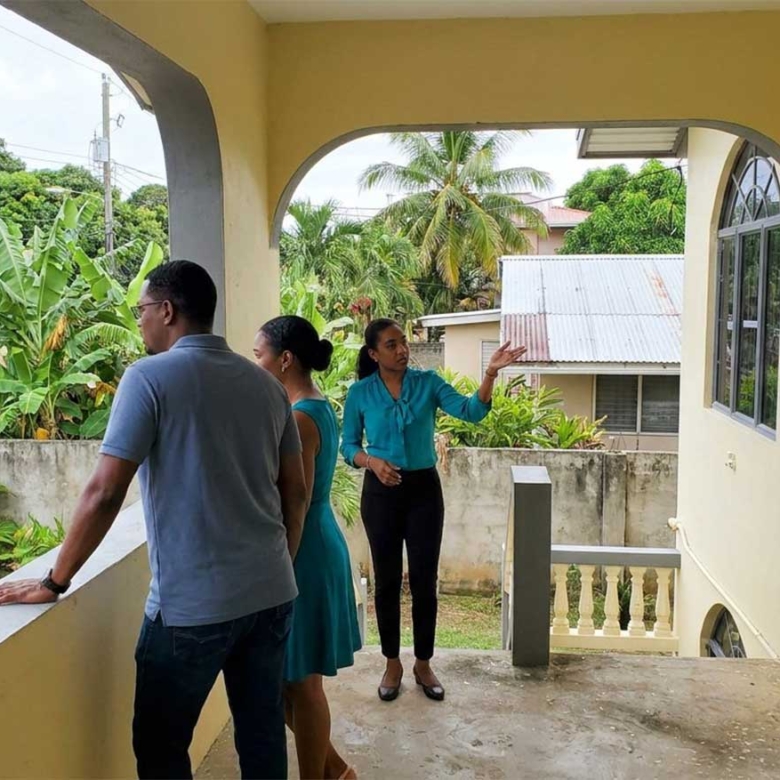
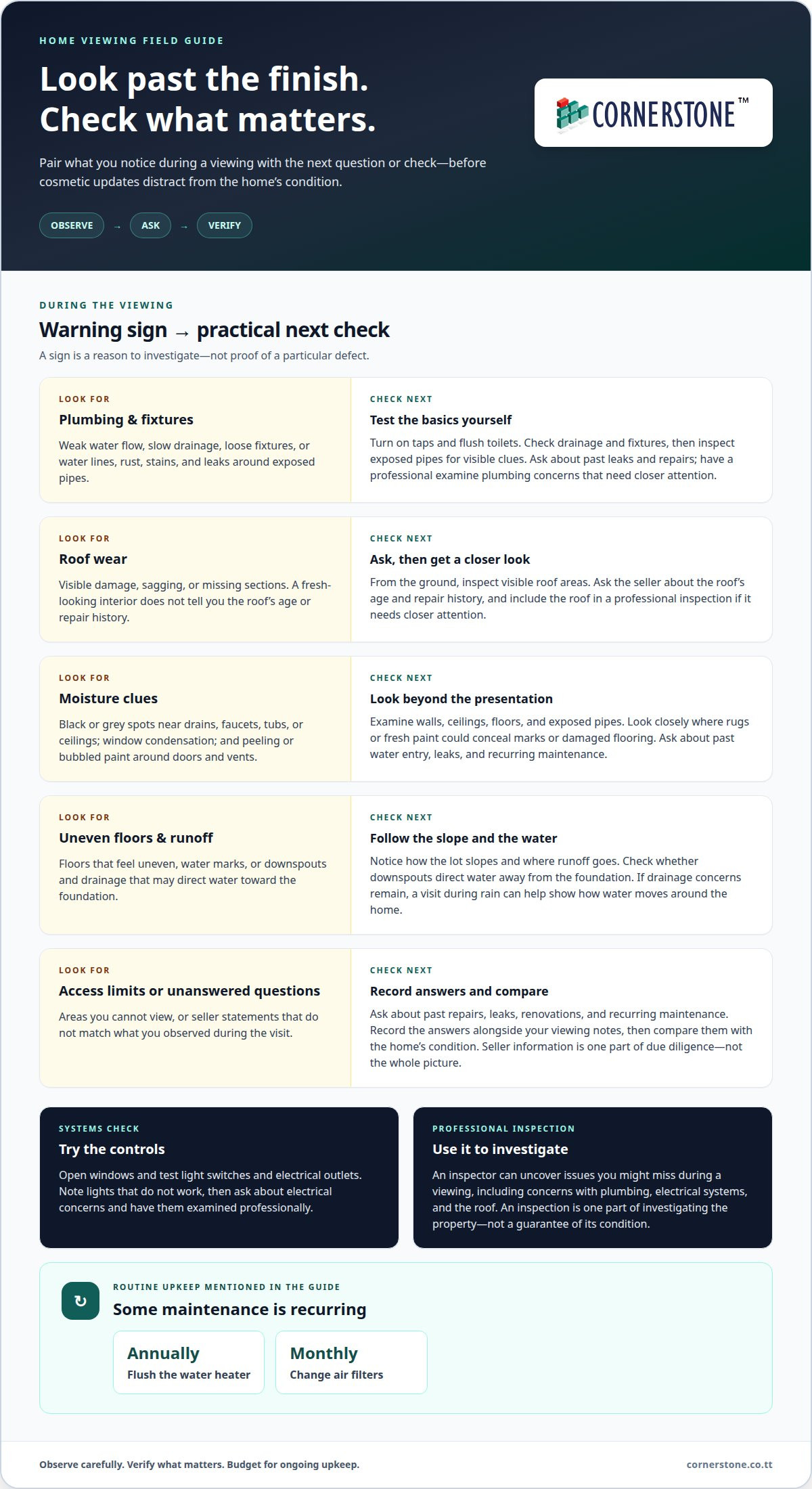
Take a careful, room-by-room look during the viewing. Turn on taps, flush toilets, open windows, and test light switches and electrical outlets. Note weak water flow, slow drainage, loose fixtures or lights that don’t work. From the ground, look at the roof for visible damage, sagging or missing sections. Ask about its age and repair history, as its condition can affect future maintenance needs.
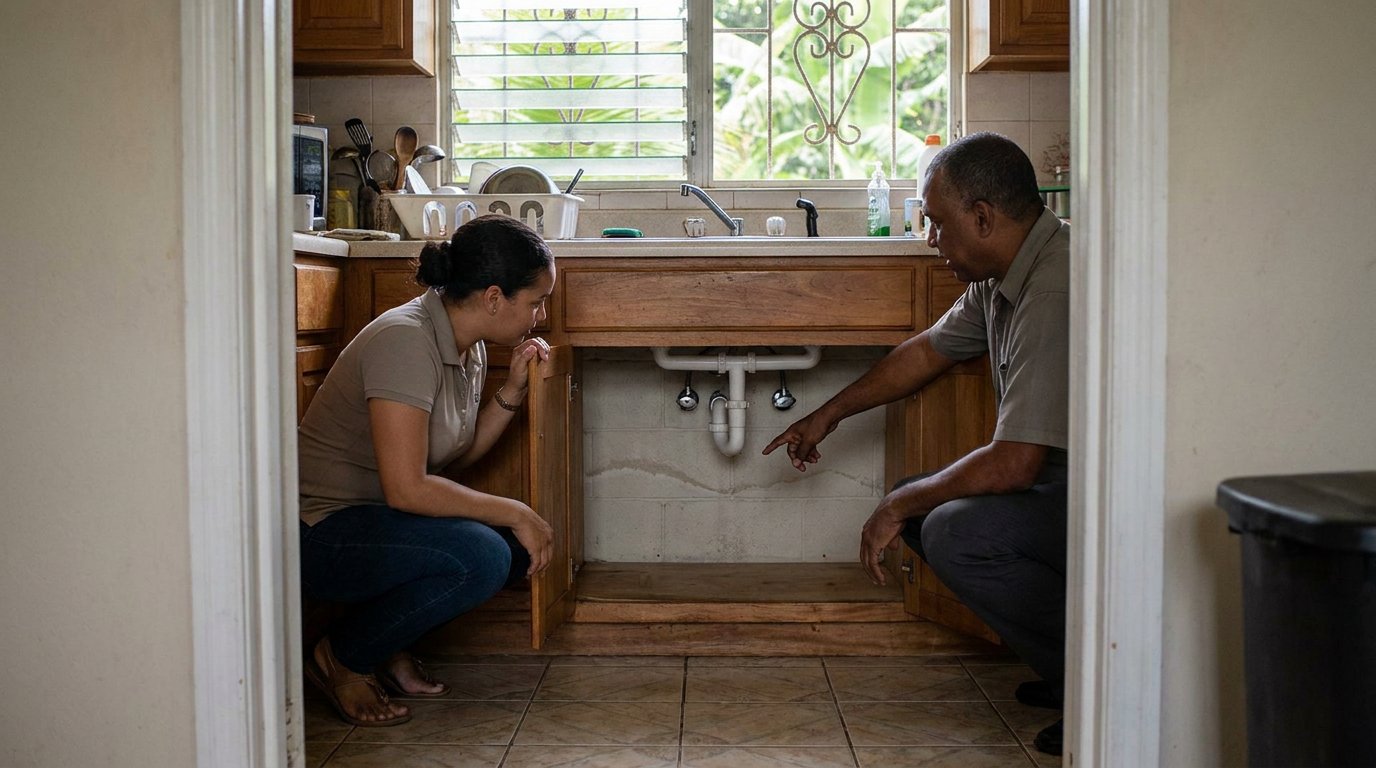
Check walls, ceilings, floors and exposed pipes for clues. Water lines, rust, stains or leaks around pipes may point to water damage. Black or grey spots near drains, faucets, tubs or ceilings can signal mould or another underlying issue. Condensation on windows and peeling or bubbled paint around doors and vents may indicate moisture. Fresh paint and rugs can conceal marks or damaged flooring, so look closely at covered areas.
Notice whether the floors feel uneven as you walk. A small ball placed on the floor may roll towards a slope. Check whether downspouts direct water away from the foundation, and look for signs of water damage around the home. A professional inspection can uncover problems you might miss during a viewing. It’s one part of investigating the property, not a guarantee of its condition. Have a professional inspector examine areas that need closer attention, including plumbing, electrical systems and the roof.
Pay attention to how the property is presented. Ask about any limits on viewing access, and don’t rely on presentation alone. If dampness or drainage concerns remain, viewing during rain can help show how water moves around the foundation. Factor emergency savings into your budget alongside mortgage payments and interest costs. If an inspection identifies a faulty fixture or electrical concern, repairs could reduce the money available after purchase. Regular upkeep matters too: the maintenance guidance provided recommends flushing a water heater annually and changing air filters monthly.
2. Ask sellers about the property's history and condition
Ask the seller about past repairs, leaks, renovations and recurring maintenance. For appliances included in the sale, ask about their age, working condition and any recent repairs. Request the roof’s repair history as well. Record the answers alongside your viewing notes, then compare them with what you observed. Seller-provided information is one part of due diligence, not the whole picture.
Look beyond the home itself. Compare similar nearby sales and current listings to understand asking prices, sale prices and the amount of competing inventory. Consider whether homes with similar layouts and condition are selling near, above or below their asking prices. For neighbourhood context, check access to work, schools, grocery stores, hospitals and recreation. Visit at different times to observe changes in traffic and activity.
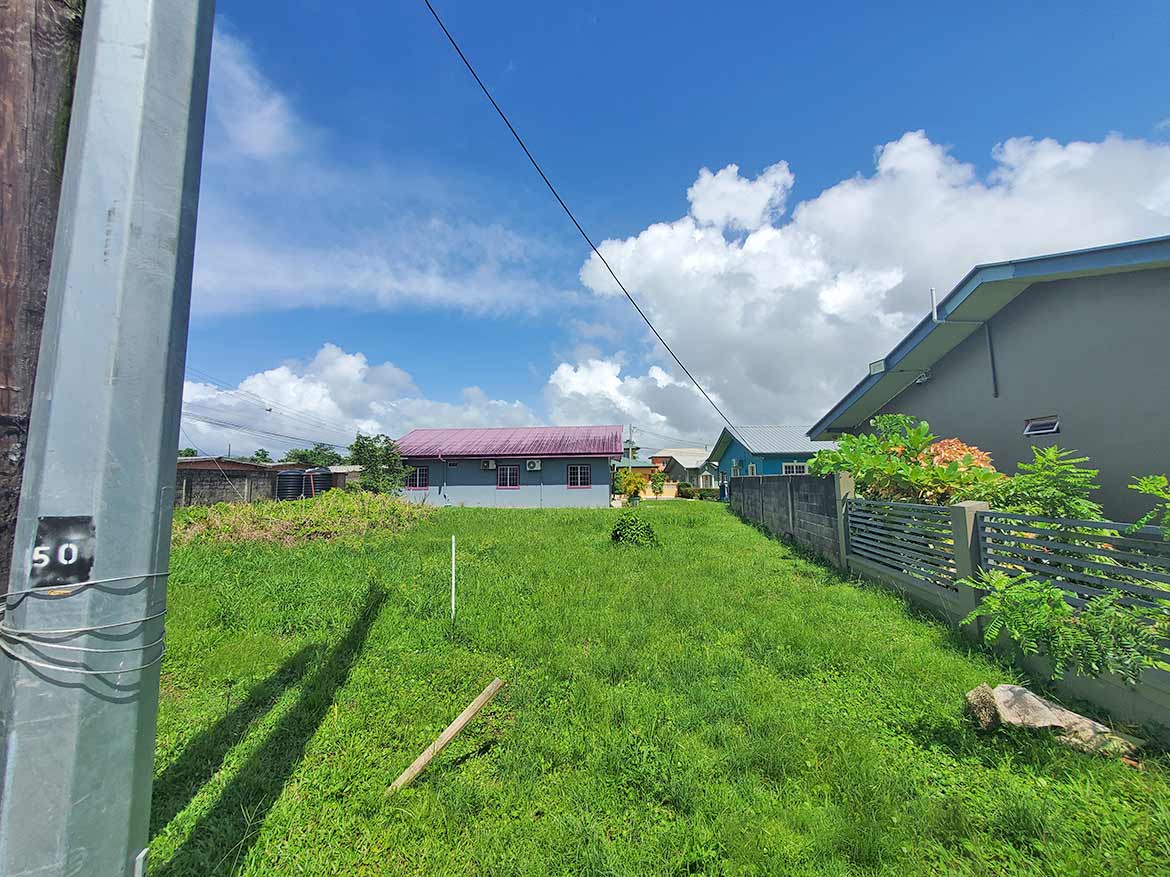
To check boundaries, compare the property’s physical markers with the boundary plan in its title documents, and address any discrepancies before proceeding. Ask for records of building approvals and planning permission for additions or changes, then review them as part of your due diligence.
Review the title deed to confirm it identifies the seller as the owner. A title search can help identify liens or disputes affecting the property. Have the documents and any questions reviewed before committing.
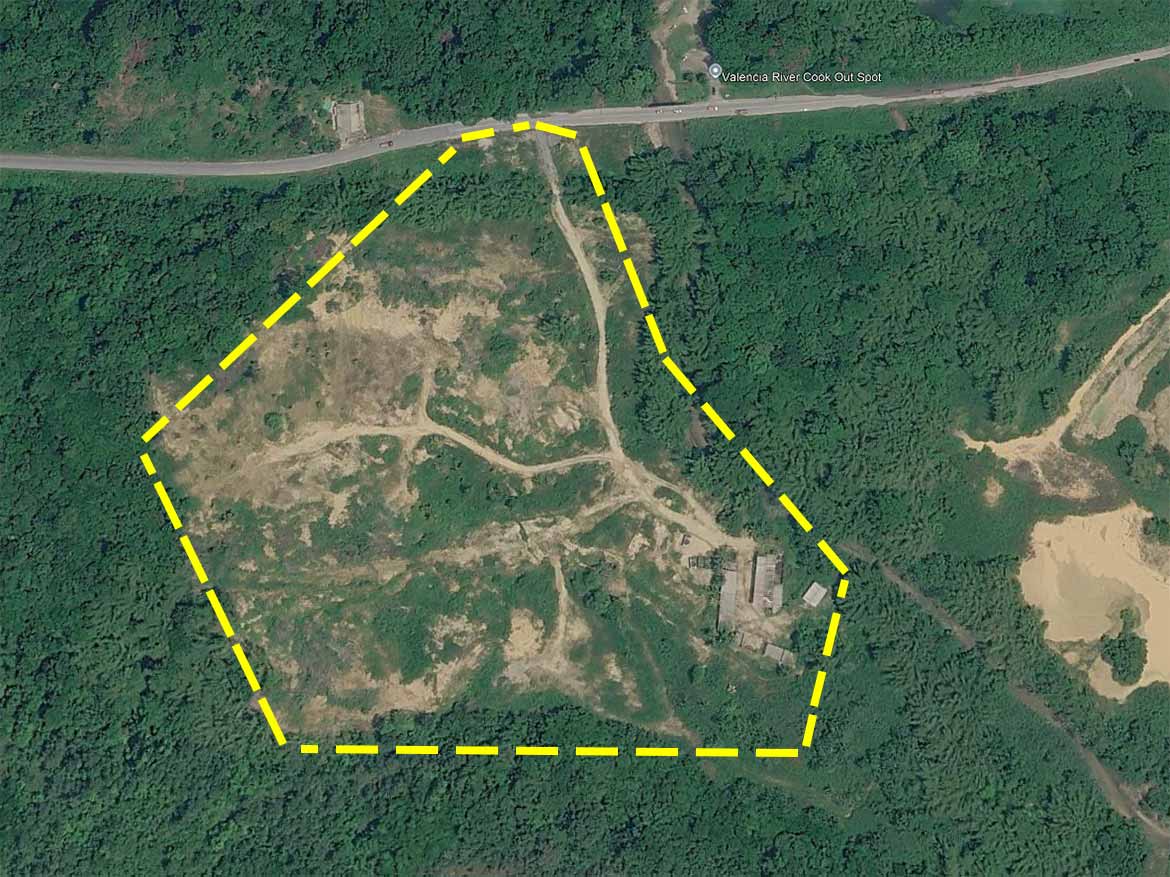
Ask about past flooding, water entering the home and drainage problems. Inspect the lot’s slope and where runoff goes, look for water marks, and revisit during rain if possible. Nearby water, steep or sloping land, and poor drainage are reasons to investigate site conditions carefully.
Guard against misrepresentation by matching the seller’s identity with ownership records and treating pressure for a quick deposit as a reason to pause. Don’t rely on verbal assurances about boundaries, repairs, approvals or payment instructions. Keep relevant records and resolve inconsistencies before proceeding.
Compare homes currently listed for sale with similar properties to get a clearer view of available choices and market conditions.
3. Budget, recurring costs and financing
The asking price is only one part of what you need to afford. Build a full ownership budget before making an offer, including the down payment, closing costs, insurance, property taxes, utilities, maintenance and moving expenses. These costs affect how much money remains for appliances, repairs and other needs after purchase. Ask the seller about recent utility bills and recurring property expenses, then use those details to estimate ongoing costs.
Compare mortgage offers from banks in Trinidad and Tobago using the same loan amount and repayment period. Review each interest rate, fees, down payment requirement, monthly payment and any prepayment penalty. A lower monthly payment may come with different fees or loan terms, so compare the full offer rather than the rate alone. Ask each bank for a written breakdown, then check whether the payment still leaves room for utilities and maintenance.
Plan for repairs before choosing a fixer-upper. List visible issues, such as worn appliances, damaged flooring or electrical work, and separate urgent repairs from upgrades you can postpone. Get three contractor quotes for renovation work and compare the scope of each quote, not just the total. Include labour and materials in your estimate, and set aside funds for unexpected issues that emerge during the work.
Closing costs are separate from the purchase price, so include them in your savings plan alongside the down payment. The amount depends on the transaction and services involved. Ask for a written breakdown of expected charges before you commit, and check which expenses are due before completion. A real estate agent can help you compare asking prices and understand a property’s market position, but assess mortgage terms and payments against each bank’s written offer.
Make a simple monthly budget that includes the mortgage payment, utilities, insurance, property taxes and routine upkeep. Test it against your take-home income and other debts. If moving costs or immediate repairs would leave little room for regular bills, adjust your price range before making an offer.
4. Setting a home-buying budget
Set your comfortable price range before choosing homes. Start with monthly income, existing debt, savings, and the cash you need to keep accessible after purchase. A budgeting guide uses housing payments of no more than 28% of gross income as a starting point. It also suggests keeping total debt, including housing payments, at no more than 36% of gross income. Treat these as planning benchmarks, not automatic approval for a mortgage.
Then test the figures against your actual household budget. Add your expected housing payment to existing loan payments and regular expenses. If that leaves too little for food, transport, healthcare or savings, lower your target price. Another rule of thumb is to consider homes priced at two to three times annual income. Use it only as an early screen: debts, deposit savings, interest rates and the home’s condition all affect what you can afford.
Separate your available savings into clear categories. Keep the deposit and closing expenses apart from emergency savings and planned moving costs. Then estimate likely maintenance based on the home’s condition. For example, a kitchen that needs new appliances may require spending soon, while cosmetic updates can often wait. A structural concern can change the budget substantially, so don’t treat every repair as optional decoration.
Before viewing homes, write down your maximum monthly payment and a separate limit for upfront costs. Compare each property against both limits, not just its asking price. A real estate agent can help you understand how a home’s asking price compares with similar properties, while your lender’s terms shape the mortgage payment. If a home only fits by using all your available savings, it may stretch your budget too far.
Use the figures to set a practical boundary: choose a price range that leaves room for regular bills, upkeep and unexpected needs. Revisit it if your income, debt or expected repair plans change. A clear limit can help you compare homes by value, condition and suitability, rather than being drawn towards the highest price a lender may offer.
Cornerstone: Property sales
Cornerstone can help you explore homes for sale in Trinidad and Tobago that suit your needs and budget. After you’ve reviewed a property’s condition, costs and records, the team can help you consider available options and compare homes as you move towards a decision.
If you’re still weighing a property’s market position, Cornerstone also offers a market opinion. It is not a licensed valuation, but it can provide a real estate perspective as you consider asking prices and comparable properties. If your housing plans change, Cornerstone also handles property rentals and property management.
Keep your inspection findings and budget priorities in mind as you discuss your next steps. You’re welcome to contact Cornerstone about property sales.
Take your next step with confidence
Before moving forward, decide which features matter most to your household. Write down your must-haves, the changes you could live with and the questions you still need answered. This short list can focus your next viewing and help you compare options without losing sight of your priorities.
Knowing what to check before buying a home is useful, but so is having a clear idea of what you want your next chapter to look like. A home should suit your day-to-day life, not just your plans for moving day. Give yourself time to weigh the decision and talk through the options that feel right for you.
If you’re ready to explore your plans, contact Cornerstone to discuss your plans. Take the next step at a pace that feels comfortable, with your priorities close at hand.
Frequently Asked Questions
What should you check during a home inspection before buying?
A practical starting point for what to check before buying a home is agreeing on the inspection’s scope and access. Ask for a written report that separates observed defects from areas the inspector couldn’t assess, such as spaces blocked by stored items. If the report uses technical terms, ask what each finding means for use and upkeep. Keep the report with your purchase records so you can compare its findings with the seller’s responses.
What taxes, legal fees, stamp duty, and closing costs apply when buying a home in Trinidad and Tobago?
Budget for stamp duty, legal fees, closing charges and property taxes, but don’t assume one flat total applies to every purchase. The amount depends on the transaction and property details. Ask for an itemised estimate naming each charge, when it is due, and whether it is a one-time or recurring cost. This helps you separate purchase expenses from monthly ownership costs.
What should you check about a home's plumbing, electrical system, roof, and structural condition?
As you decide what to check before buying a home, look for signs that the systems work together under ordinary use. For example, run more than one tap and notice whether water flow changes, then check whether doors close smoothly and floors feel firm underfoot. Ask the inspector to explain any concern in plain language and identify what further assessment could clarify. A written list of observations helps distinguish routine upkeep from issues that could affect how you use the home.
What questions should you ask the seller about repairs, utilities, pests, and previous damage?
Ask what repairs were done, when they happened, what caused them and whether invoices or warranties are available. For pest treatment, ask which areas were affected and whether the problem returned. Request utility bills from different seasons, if available, to understand how usage changes. Also ask about previous water, fire or storm damage and what was repaired. Specific dates and records make answers easier to compare with the home’s condition.
What are common scams and legal risks when buying property in Trinidad and Tobago?
Risks include misrepresentation about ownership, boundaries, repairs, approvals or payment instructions, as well as pressure to pay a quick deposit. Check the seller’s identity against the title deed, review title documents for liens or disputes, and resolve boundary or approval-record discrepancies before proceeding.