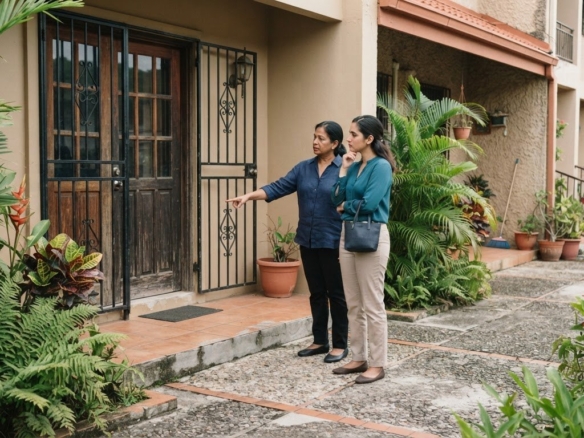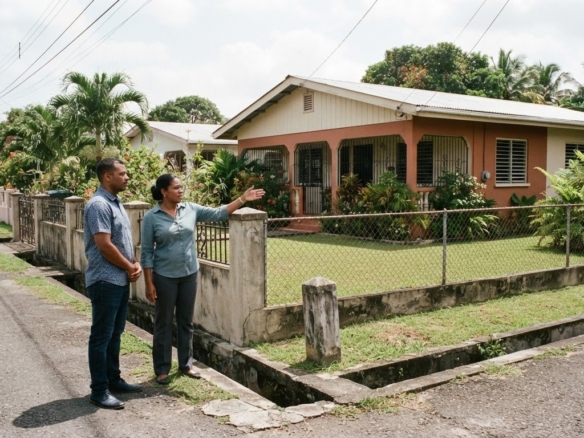

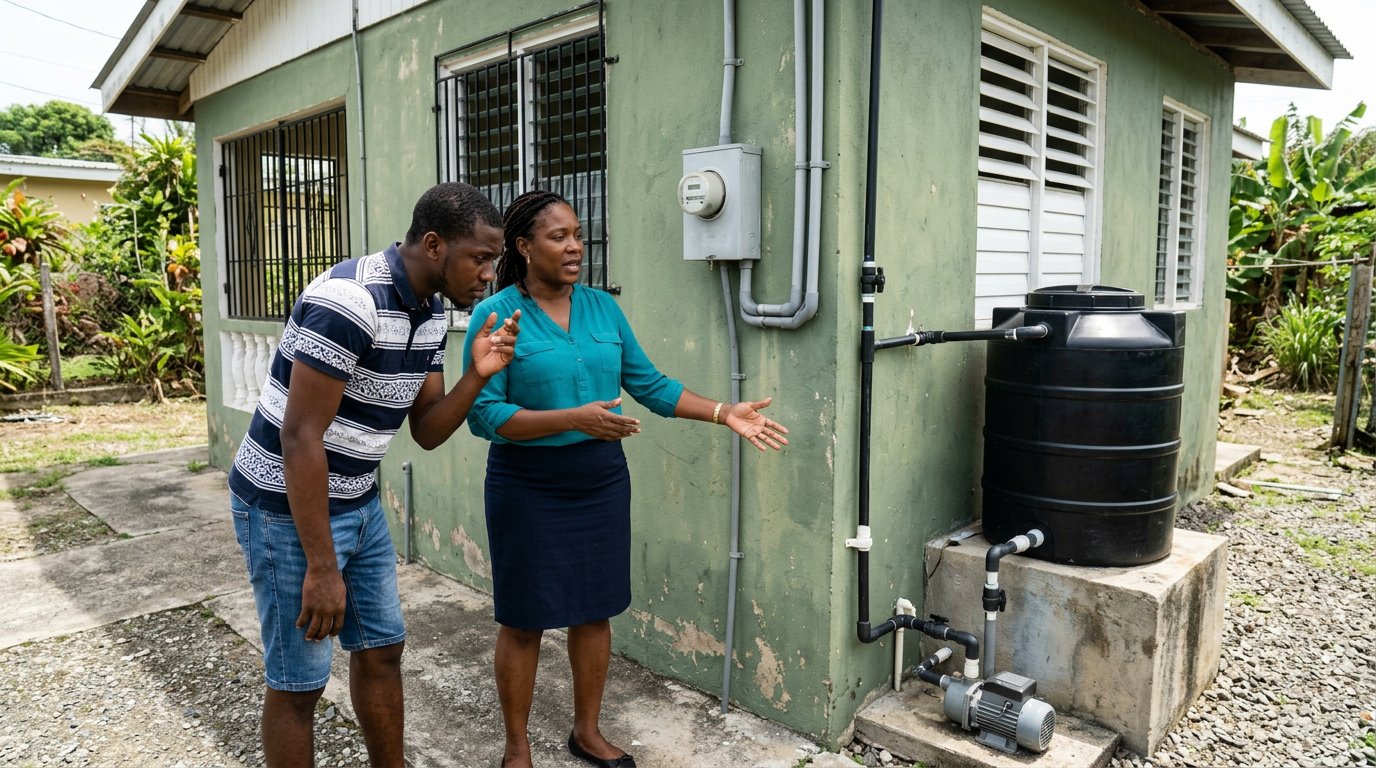
The most useful questions to ask before renting a house in Trinidad and Tobago cover what is included in the tenancy, the lease term, payment arrangements, and who to contact about repairs or emergencies. Clarify utilities, maintenance, and the rules for ending or renewing the lease before you commit.
It’s easy to focus on the monthly arrangements and miss practical details that affect daily life. Before signing, clarify which responsibilities are yours, what happens if something breaks, and what to expect when you move out.
This guide covers questions about included services, lease terms, payment arrangements, and property contacts, helping you compare a home with your needs.
Key Takeaways
- Clarify which utilities, services, and maintenance responsibilities are part of the rent before you agree to the tenancy.
- Understand the lease length, renewal options, and what may happen if you need to move out early.
- Confirm the rent due date, accepted payment methods, and any rules for late payments.
- Find out who handles repairs and who to contact if a property issue becomes an emergency.
1. What is included in the rent?
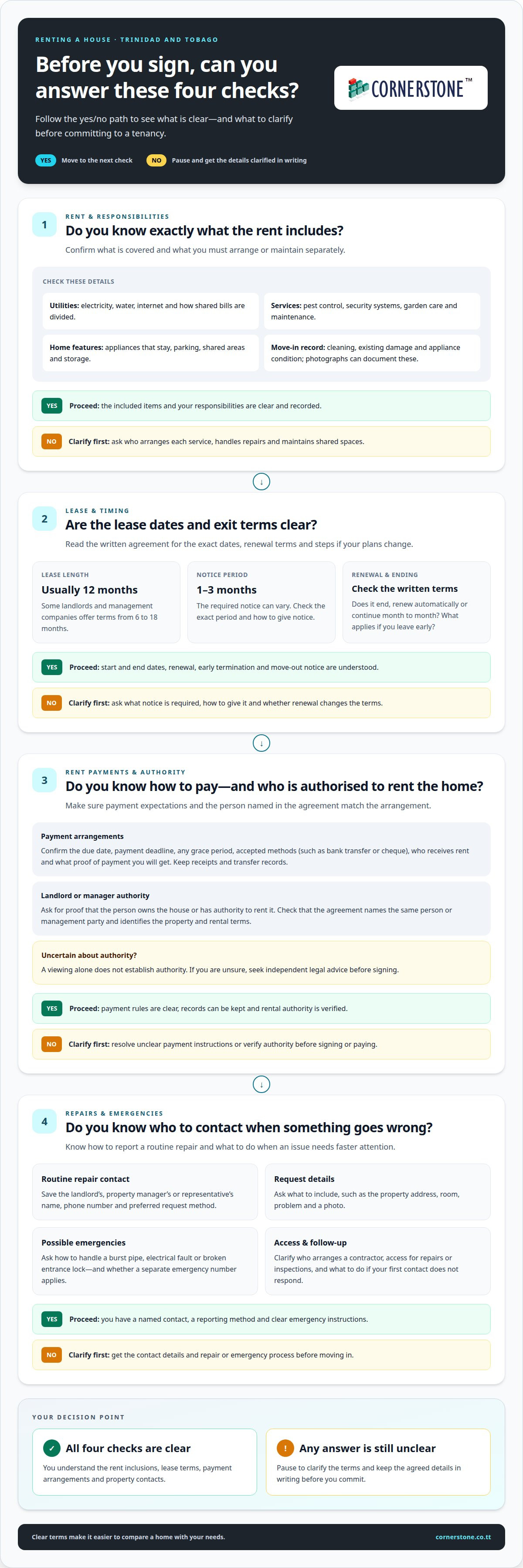
Ask the landlord to specify what the rent covers and what you must arrange separately. Electricity and water may be included, while internet, pest control, security systems, or garden care may be separate responsibilities. Ask whether parking, shared amenities, and maintenance are included, and who arranges repairs to appliances or plumbing. Get the details in writing so you understand your responsibilities before signing.
During the viewing, check which appliances will stay. Confirm whether the cooker, fridge, washing machine, or dishwasher is included and working. Ask how electricity and water are supplied, who provides each service, and whether you need to open accounts. Check whether the property has a water meter, and how bills are divided if meters or services are shared. These details help you understand the arrangements without relying on assumptions.
Look beyond the kitchen. Check parking, shared driveways, garden access, storage, and where bins are kept. Ask who maintains shared areas and handles pest control or repairs. If you are expected to care for a yard or arrange a service, clarify what that involves. Ask whether the home will be cleaned before move-in, and document the condition of rooms and appliances. Photographs can record existing damage before you sign the rental agreement.
Keep rental scam warning signs in mind while asking questions. Be cautious if someone demands payment before you view the property, avoids showing they have authority to rent it, or pressures you to pay immediately. Check that the person, property, and written rental terms match, and use a payment method that provides a record. Never let urgency replace a viewing and a clear agreement. These checks can help you make a more comfortable, informed decision about the home.
2. Lease length and early termination
Before signing, make sure the written lease states the exact start and end dates. A residential lease is usually 12 months long, while some landlords and management companies offer terms from 6 months up to 18 months. Ask whether the lease ends on its stated date, renews automatically, or can continue month to month. These are useful questions to ask before renting a house, especially if your plans may change.
Ask what happens if you need to leave before the lease ends. Some agreements explain the steps you must follow, including written notice and any handover requirements. Check that the lease explains how early termination works and what you need to do before moving out. Ask whether renewal could change the rent or other terms.
At move-in, document the home’s condition and the items included in the rental. Take dated photographs of each room, noting existing marks, damaged fittings, and appliance condition. Record which keys you receive and whether items such as the cooker or fridge work. Note visible plumbing and electrical issues, along with any agreed repairs. Keep a copy of the inventory and send it to the landlord or manager so both sides have a record.
Ask how much notice you must give before moving out. The required period can vary from one to three months, so check the lease for the exact timeframe and how to give notice. Ask whether the lease can renew month to month and whether notice is required even if you plan to leave on the end date. These questions to ask before renting a house can help you understand what happens when your plans change. Save written communication and confirm the agreed move-out date.
Clear lease terms can make a rental decision easier to weigh. If you’re still comparing homes, explore available rental properties with these lease questions in mind.
3. Rent due dates and payment methods
Ask which day rent is due and how the first payment works. If rent is due on the first of the month, confirm whether it must arrive that day or can be sent then. Ask whether there is a grace period. The agreement should state the due date and payment deadline.
Confirm which payment methods the landlord accepts, such as bank transfer, cheque, or another agreed option. Ask who receives the rent and what proof of payment you will get. Keep receipts and transfer records with your rental agreement. Before moving in, ask how the landlord handles payment timing if a bank delay or public holiday gets in the way.
Clarify whom to contact if payment is delayed, and keep the conversation in writing. A clear process helps avoid confusion about whether rent was received and when a balance is due.
To verify the landlord, ask for proof that they own the house or have authority to rent it. Make sure the agreement names the same person or management party, identifies the property, and records the rental terms. If you are unsure whether the person has authority to rent the house, seek independent legal advice before signing. A viewing alone does not establish that authority.
Ask how much notice the landlord will give before entering and how access is arranged for repairs or inspections. The agreement should explain how to report a problem, including an urgent issue involving appliances or electricity. Clarify the rules for guests and whether you need to give notice when someone stays for an extended visit. These details help you understand payment expectations and day-to-day arrangements.
4. Property management and emergency contacts
Before moving in, find out who handles day-to-day issues: the landlord, a property manager, or a named representative. Save that person’s full name, phone number, and preferred way to receive repair requests. Ask how to submit a request and what details to include, such as the property address, room, problem, and a photo. A clear process helps you report a leaking pipe or faulty appliance.
Ask which problems count as emergencies and which contact handles them. A burst pipe, electrical fault, or broken entrance lock may need faster attention than a dripping tap. Find out whether there is a separate emergency number, and what to do if the first contact does not respond. Some landlords arrange access to a 24/7 maintenance crew, so ask whether that applies to the property rather than assuming it does.
Clarify what happens after you report a repair. Ask who decides whether a contractor visits, who arranges access, and whether you should be home for the appointment. If an issue affects parking, a shared entrance, or a street-facing gate, ask whether neighbours or other tenants need an update. Record when you submitted the request and any reply, especially if the problem continues.
Ask who handles routine checks and communicates planned visits. Confirm how much notice you will receive, how access is arranged, and whom to contact if the proposed time does not work. For shared building matters, such as cleaning common areas or rubbish collection, find out whether the manager or landlord is responsible. Knowing the right contact can prevent you being passed between people when a shared area needs attention.
A clear management plan tells you who to reach, how to report a problem, and what happens next. If you need help with rental arrangements or ongoing property matters, get in touch to discuss your property needs.
Cornerstone
Cornerstone offers property rentals to help you explore rental options and consider the practical questions involved in choosing a home. If you are comparing properties, the team can help you assess how a rental fits your needs and understand the arrangements involved. Property owners can also turn to Cornerstone for property management. Its property market opinion provides market context, not a licensed valuation.
Bring the points that matter most to you, such as included services, lease terms, payment arrangements, and who handles property issues. Clear communication can help you make an informed choice, since the right home depends on your needs. If you would like help with a rental or property decision, contact Cornerstone.
Make a confident choice for your next home
The questions to ask before renting a house can help you decide whether a property suits your everyday needs, not just your first impression. Consider how the home fits your routines, plans, and priorities. If an answer is unclear, take time to understand it before committing. A thoughtful choice should still feel right after the viewing and a careful read of the agreement.
Cornerstone offers property rentals and sales, as well as property management for owners. Its property market opinion provides market context, not a licensed valuation. The team can help you discuss your priorities and consider your next step without pressure. Bring your questions and talk through your options at your own pace.
Contact Cornerstone with your questions and take the next step when you feel ready.
Frequently Asked Questions
What is included in the rent?
The rental agreement should specify what the rent covers and which items remain your responsibility. For example, it may distinguish between use of a furnished room and services billed separately. Ask for unclear terms to be explained before signing, then keep a copy of the agreed details. This makes it easier to compare homes based on what you will actually receive.
What is the security deposit?
A security deposit is held during the tenancy to cover specific issues allowed by the rental agreement, such as damage beyond ordinary wear. It is separate from rent. Before paying, understand how the agreement describes deductions and the return process. Keep proof of payment and the signed terms together so you can refer to the same record when the tenancy ends.
Are pets allowed?
Pet rules depend on the rental terms, so get permission in writing before bringing an animal into the home. Ask whether the agreement sets limits on pet type, number, or access to shared areas. If you already have a pet, describe its needs clearly. Written approval helps prevent later disagreements about what you and the landlord agreed.
How much notice do I give before vacating?
The notice period depends on your rental agreement and tenancy arrangement. Read the move-out section and note how notice must be delivered, such as by email or letter. Keep a copy and ask for acknowledgement so you have a record of when you gave notice. If your plans change, communicate promptly and get revised arrangements in writing.
Is renters insurance required?
Whether you need renters insurance depends on the rental agreement. Ask whether it is a condition of the tenancy and what the landlord’s insurance covers, if anything. A landlord’s policy may protect the building without covering your belongings. Insurance for your own items may help after events such as theft or fire, so consider your belongings and the agreement before deciding.
Is there any known construction planned for the building or nearby?
Ask whether the landlord or property manager knows of planned work at the building or nearby and has details to share. Construction could affect access, noise, parking, or shared spaces. Ask which areas may be affected and how updates will be communicated. Keep a written record of any information provided when deciding whether the home suits you.