
A smooth home sale starts before the first viewing. To prepare a home for sale in Trinidad and Tobago, organise key paperwork, address visible maintenance issues, and understand which closing expenses may apply. A tidy home helps, but clear records and realistic expectations matter just as much.
Selling brings practical questions: which documents should you gather, what might an inspection reveal, and which repairs are worth doing before listing? A clear plan helps you decide where to spend your time and money before making improvements.
This guide covers preparing your property, organising sale paperwork, considering closing costs, and responding to inspection findings. It also explains how a property market opinion from Cornerstone can help you consider an asking price, so you can take the next steps with a clearer sense of what to expect.
Key Takeaways
- Prioritize repairs that address visible wear or affect how well the home functions before taking on larger improvements.
- Build a preparation budget around the property’s condition and the work needed, while keeping sale-related expenses in view.
- Clear rooms, clean carefully, and plan photographs to help buyers understand the home’s layout and condition.
- Keep sale terms in writing and have an attorney review them before you sign.
What repairs and improvements add the most value before selling a home in Trinidad and Tobago?
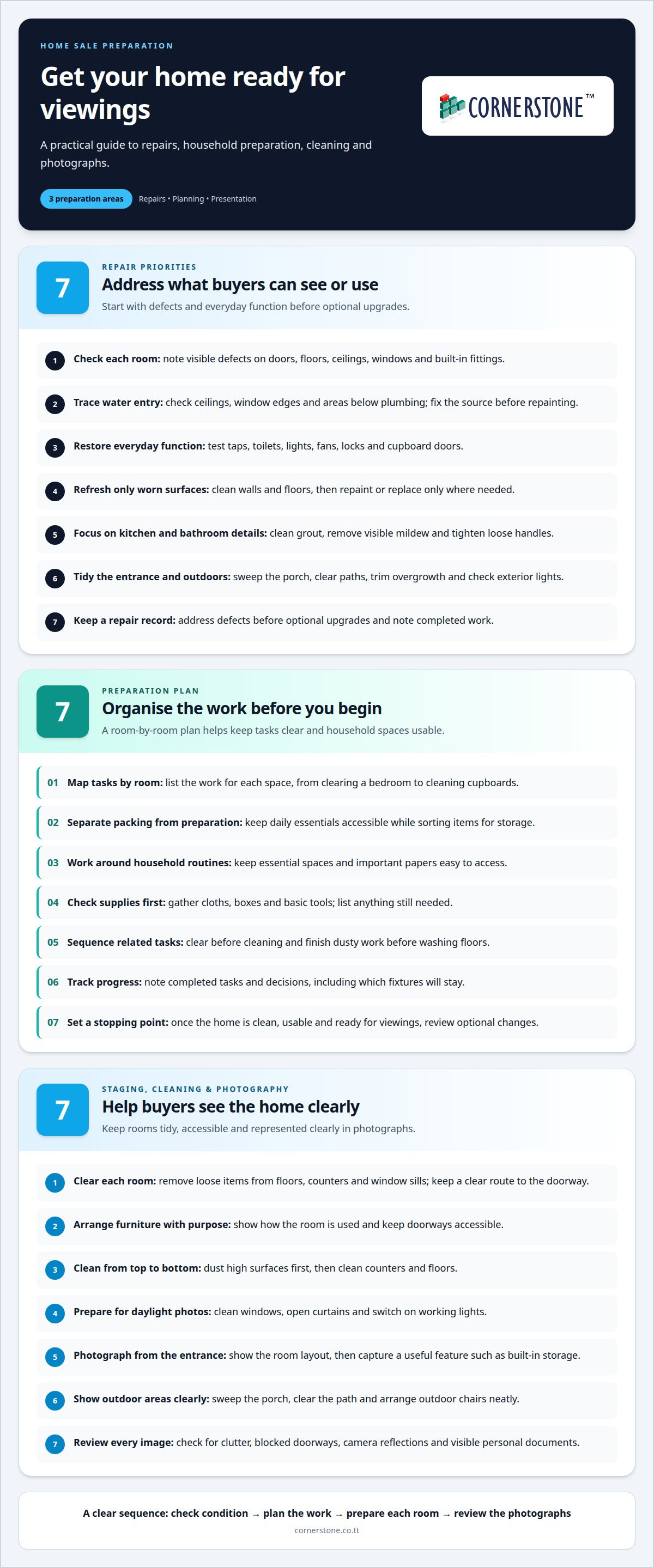
- Begin with a room-by-room condition check. To prepare a home for sale in Trinidad, note defects buyers can see or encounter. Look at doors, floors, ceilings, windows, and built-in fittings. Record where a repair is needed and whether it affects appearance, use, or both. This gives you a practical order of work.
- Fix water entry before cosmetic damage. Check ceilings, window edges, and areas below plumbing for signs of leaks. If a stain appears beneath a roof or pipe, deal with its source before repainting. A fresh coat may improve appearance, but it won’t address the cause of recurring moisture.
- Restore everyday function. Test taps, toilets, lights, fans, locks, and cupboard doors. Repair a dripping tap or a door that won’t close properly. Working fixtures let buyers focus on the home instead of small problems during a viewing.
- Refresh only surfaces that need attention. Clean walls and floors before deciding whether paint or replacement is necessary. For example, repaint a visibly marked wall, but leave sound finishes alone. A restrained update can keep rooms looking cared for without changing features that still work well.
- Give the kitchen and bathroom focused care. Clean grout, remove visible mildew, and tighten loose handles. Clear counters and check that drawers open smoothly. These practical details help buyers assess storage and condition without adding decorative changes that may not suit their taste.
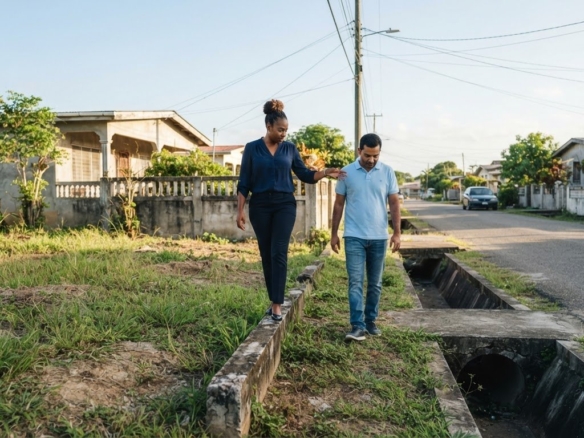
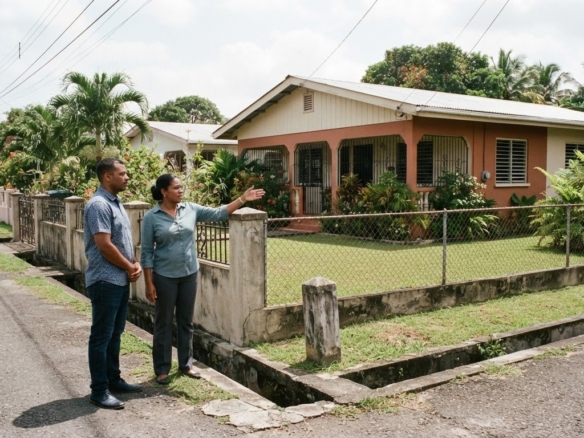
- Make the entrance and outdoor areas orderly. Sweep the porch, clear paths, trim overgrowth, and check exterior lights. Remove items that obstruct access to the front door. A clear approach helps visitors see the entrance and move safely around the property.
- Choose work based on the home’s needs. As you prepare a home for sale in Trinidad, address defects before optional upgrades. A leaking roof deserves attention before replacing sound cabinets. Keep a record of completed repairs so you can describe the work clearly during viewings.
How much does it cost to prepare a house for sale in Trinidad and Tobago?
- Map the work by room. Write down the tasks for each space, such as clearing a spare bedroom, cleaning kitchen cupboards, or organizing documents connected to the home. Grouping tasks by room helps you see what can be handled together.
- Separate preparation from personal packing. Mark which belongings need to stay accessible for daily use and which can be boxed or stored. For example, keep frequently used kitchen items handy while clearing rarely used items from counters and shelves.
- Plan around household routines. Choose a sequence that leaves essential spaces usable. If you work on the bathroom, prepare toiletries elsewhere first. If you’re sorting a home office, keep important papers together so they remain easy to find.
- Check what supplies are already on hand. Gather cleaning cloths, storage boxes, and basic tools before starting. Make a short list of items you’ll need to complete each task, such as labels for boxes or bags for unwanted belongings.
- Arrange tasks that depend on one another. Clear a room before cleaning its surfaces, and finish dusty work before washing floors. This order reduces repeated effort and helps you keep the property presentable as preparation moves from one area to another.
- Keep a simple progress record. Note completed tasks and any remaining decisions, such as whether a fixture will stay with the home. A shared list can help household members stay coordinated and prevent the same cupboard or room being sorted twice.
- Set a stopping point for optional work. Once the home is clean, usable, and ready for viewings, review any remaining changes against your selling plans. For example, avoid starting a larger update if it would disrupt access or leave rooms unfinished.
These asking prices are separate from preparation costs.
Staging, Cleaning, and Photographing a Trinidad Home
- Clear each room before arranging furniture. Remove loose items from floors, counters, and window sills. In a living room, keep only the main seating and a clear path to the doorway. Buyers can then see how people move through the space.
- Arrange furniture to show each room’s purpose. Set a dining table in the dining area and keep bedroom access open. Move oversized chairs away from doorways. A simple layout helps photographs show the room’s shape without distractions.
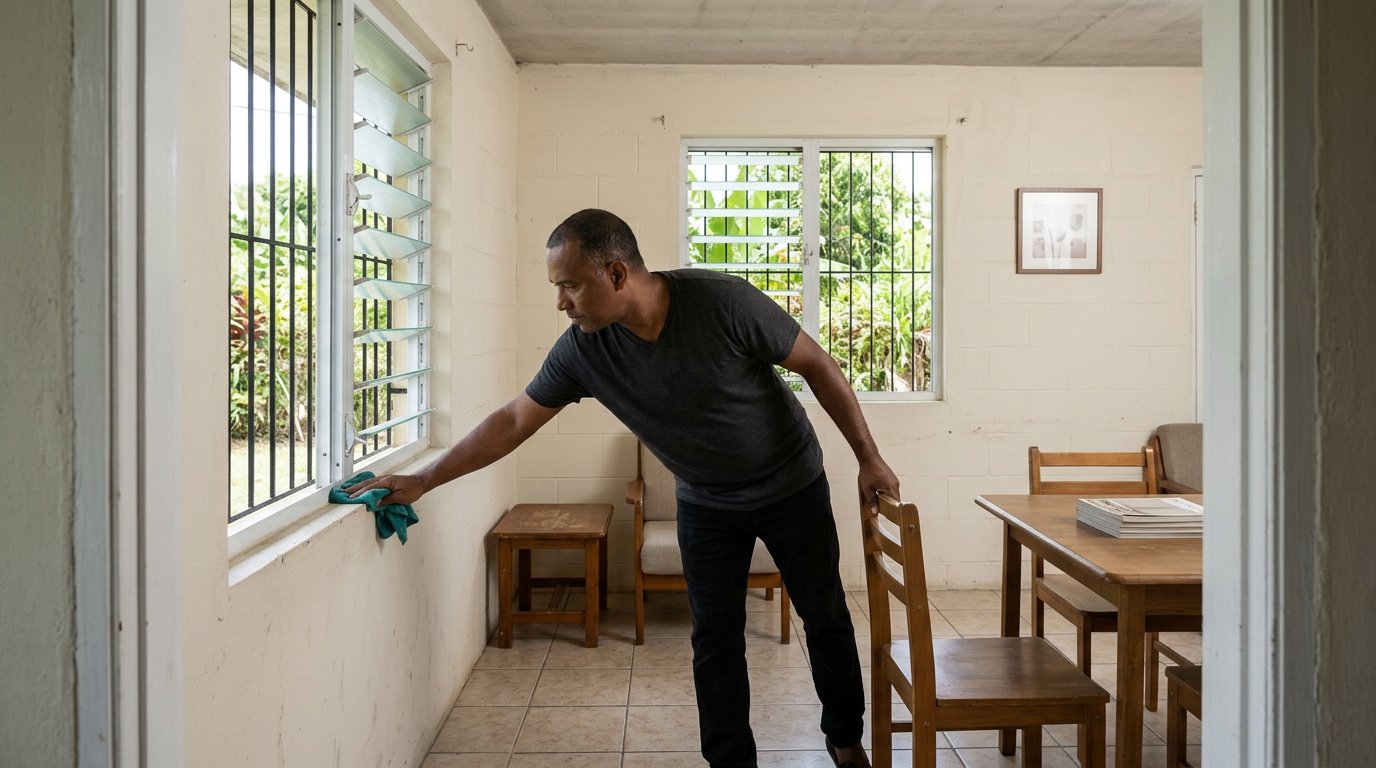
- Clean from high surfaces down to the floors. Dust fans, shelves, and window frames before wiping counters and sweeping or mopping. In the kitchen, clean the stovetop and sink. In bathrooms, wipe mirrors and remove visible marks around taps.
- Prepare windows and lights for photographs. Clean glass, open curtains, and switch on working lights. Take pictures during daylight when rooms are bright. If a room still looks dim, adjust the camera position before adding more lighting.
- Photograph a room from its entrance. Stand near a doorway to capture the room’s layout, then take another image showing a useful feature, such as built-in storage. Keep the camera level and avoid angles that make walls appear unusually wide.
- Show outdoor areas clearly. Sweep the porch, clear the front path, and arrange outdoor chairs neatly. Photograph the entrance and any usable yard area. Remove bins, hoses, and parked vehicles from the frame when practical.
- Review every image before sharing it. Check that rooms look tidy, lights are on, and personal documents aren’t visible. Retake a photograph if clutter blocks a doorway or a mirror reflects the camera. Use images that represent the home accurately.
What risks or scams should homeowners watch for when selling property in Trinidad?
- Put every offer term in writing. Record the proposed amount, deposit arrangements, included items, and conditions. A verbal promise about leaving appliances, for example, can lead to disagreement later. Have an attorney review the written offer before you sign.
- Read the full agreement before accepting. Check that the written terms match what you discussed, including deadlines and any inspection conditions. Read the written terms carefully, and don’t rely on an informal message to change them.
- Be careful with payment claims. Don’t treat a screenshot, emailed receipt, or message as proof that funds have cleared. Confirm payment through the proper transaction process before handing over keys or signing documents that acknowledge receipt.
- Protect personal and property information. Share only the records needed for the sale, and keep financial details private. Before a viewing, put away mail, bills, identification documents, spare keys, and papers showing account information.
- Keep control of access to the home. Agree on viewing arrangements and make a record of who enters. Don’t leave visitors alone with keys, documents, or valuables. If the property is vacant, secure all doors and windows after each showing.
- Pause when someone creates pressure. Be cautious if a buyer demands an immediate signature, asks you to skip written terms, or proposes a side payment. Take time to read any revised offer and discuss unfamiliar wording with your attorney.
- Keep sale records together. Save the signed offer, changes, receipts, and written messages in one folder. If a disagreement arises over a repair, included fixture, or payment, these records help clarify what both parties agreed to.
Treat written terms and legal review as parts of the same decision, not as formalities. Before committing, make sure the offer records every condition and agreed term. The written document, not an assumption about what was discussed, should set out the proposal. Give the complete offer to a conveyancing attorney for review before signing. If any wording is unclear or does not reflect the terms you intend to accept, resolve that first.
Cornerstone: Property sales
When you’re ready to move from preparation to selling, Cornerstone’s property sales service can support the sale process. A property market opinion can help you consider an asking price in light of the home and its market. It provides market context, not a licensed valuation.
Bring your questions about timing, presentation, or how to begin. Clear details about the home and your plans help make the discussion useful. If you’re weighing selling against renting, Cornerstone also offers property rentals, so you can discuss which route best fits your situation.
Contact Cornerstone to talk through your property sale.
Take the next step with a clear plan
As you prepare your home for sale in Trinidad, decide what matters most for your move. Your timing, the property’s condition, and whether you might rent instead can shape your next steps. A thoughtful plan lets you make decisions in order rather than reacting to every new question at once.
Cornerstone can provide a property market opinion and discuss whether property sales or rentals better fit your plans. The right option depends on what you want to do next. A no-obligation conversation can help you explore the alternatives.
When you’re ready to talk through your plans, contact Cornerstone for help. One practical conversation can help you take your next step with confidence.
Frequently Asked Questions
Which documents are required to sell a house or land in Trinidad and Tobago?
Gather your ownership or title papers, written offer, and sale agreement as starting records. Keep property details together with any existing survey or documents that explain boundaries. The paperwork needed can vary with the property and its ownership records. Ask a conveyancing attorney to review the agreement and clarify which supporting documents apply to your transaction.
Do sellers need a valuation, survey, or property tax clearance before selling in Trinidad?
A property market opinion can help you consider an asking price, but it provides market context, not a licensed valuation. A survey and property tax clearance serve different purposes, so one is not a substitute for the other. Whether either document is needed depends on the property records and transaction details. A conveyancing attorney can explain how those details affect the sale paperwork.
What steps are involved in selling a home in Trinidad and Tobago, from listing to closing?
Prepare the home and its sale information, then list it and arrange viewings. Review offers in writing, agree on terms, and complete the necessary checks. The buyer and seller then sign a sale agreement and proceed to closing. Keep copies of the offer, agreed terms, and signed documents together. An accepted offer becomes a binding agreement between buyer and seller.