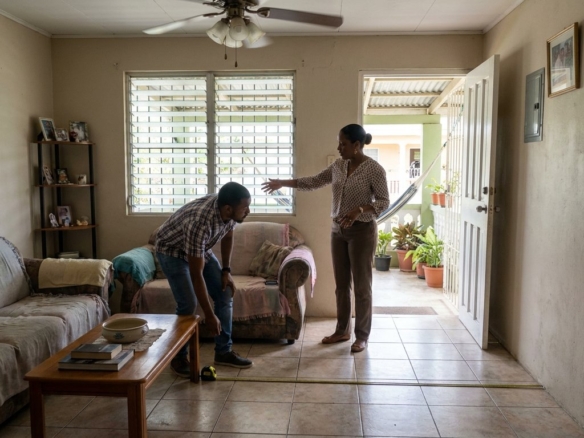

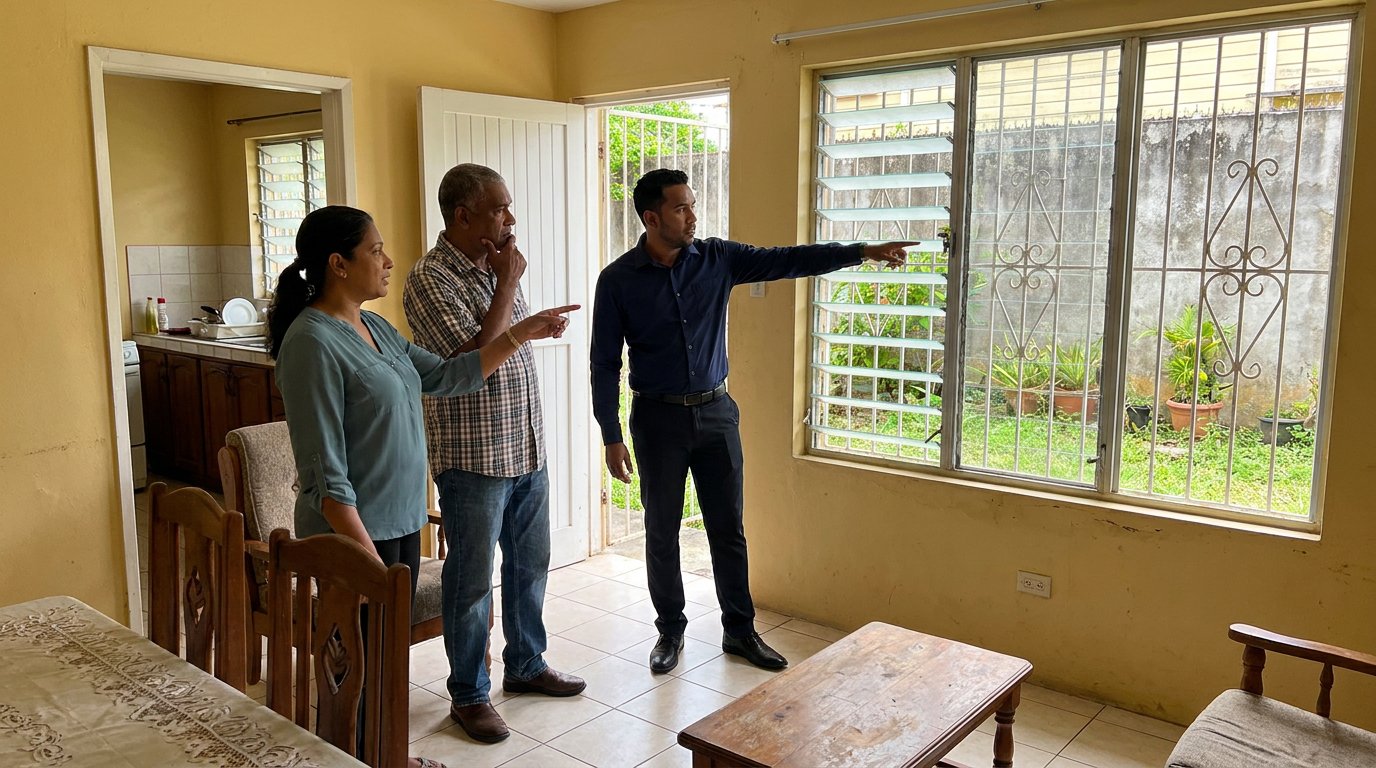
As a first-time home buyer in Trinidad, start by setting a budget, seeking mortgage pre-approval and exploring affordable housing programmes before choosing a property. The first-time homeowner stamp duty exemption has specific buyer and transaction criteria, so living in the home does not, by itself, establish eligibility.
It’s understandable to feel pressure when home prices are rising, especially while you’re trying to work out what you can comfortably afford. A little planning can help you focus on homes that fit your finances instead of stretching your budget for a property that may not be right for you.
This guide explains how to assess your income, savings and debts, prepare for a lender’s review, and explore housing programmes in Trinidad and Tobago. You’ll also learn how to compare your options and account for changing prices, so you can decide what works for you.
Key Takeaways
- Prepare a clear picture of your income, savings, debts and monthly expenses before approaching a lender.
- Learn what mortgage pre-approval involves and how it can help set a realistic property budget.
- Explore affordable housing options and understand which eligibility details may affect your choices.
- Compare homes with care as prices rise, and consider how location and ongoing costs fit your plans.
Mortgage pre-approval
To buy a house or land in Trinidad and Tobago, set a budget, seek mortgage pre-approval, make a written offer and meet the lender’s and transaction’s closing requirements. Have an attorney review the offer before you sign. Once the seller accepts and signs it, the offer becomes a binding agreement.
- Start with prequalification, then apply for pre-approval. Prequalification is a lender’s estimate of how much you may borrow, not a loan commitment. For pre-approval, complete an application and provide financial information so the lender can verify your income and other details. The assessment may include a spouse or family member and may involve a fee.
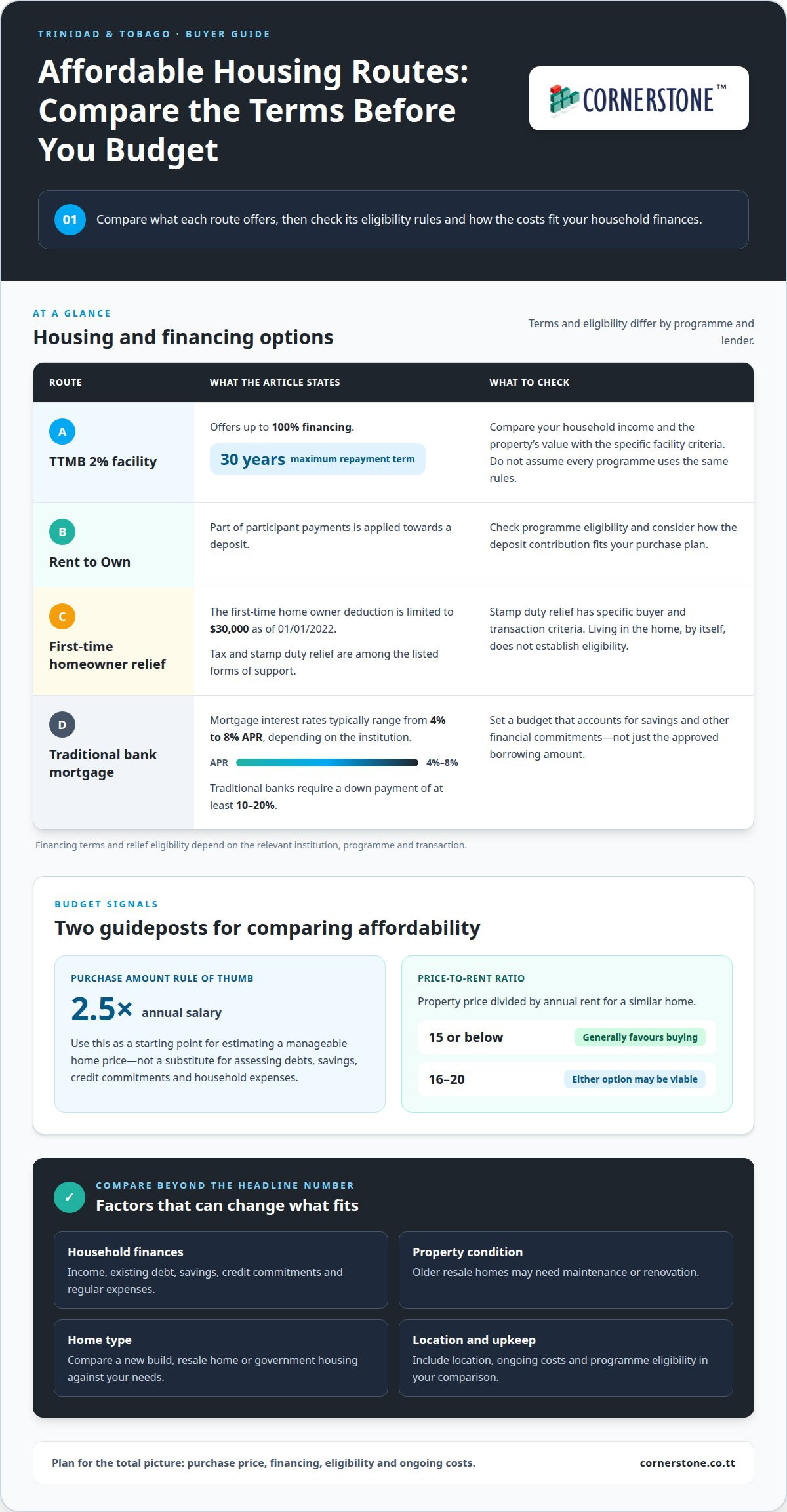
- Compare the approved borrowing amount with the property you can afford. Mortgage interest rates in Trinidad and Tobago typically range from 4% to 8% APR, depending on the institution. Traditional banks require a down payment of at least 10-20%. Include your savings and other financial commitments when deciding what price range to consider.
- Put your offer’s terms and conditions in writing, then have an attorney review it before you sign. Once the seller accepts and signs, it becomes a binding agreement. If your offer depends on a satisfactory inspection, arrange one after acceptance.
- After pre-approval, the lender conducts a final review of the chosen property and your application. The lender verifies your financial information and assesses the property through an appraisal. The property review is separate from your personal borrowing assessment, and both inform the decision to finalise the mortgage.
- Prepare closing documents and costs with your attorney and lender. At closing, provide proof that the property is insured and pay the costs and fees associated with the mortgage and real estate transaction. For tax planning, the first-time home owner deduction is limited to $30,000 as of 01/01/2022. A mortgage-facility claim requires a financial institution statement showing the property’s acquisition date.
Assessing financial readiness for home ownership
Before committing to a property, ask an attorney to review its ownership documents and relevant records. Include the title, approval status and any unpaid property taxes in the review.
- Map your monthly finances before setting a purchase budget. Mortgage affordability depends partly on gross monthly income and long-term debt. List your income, loan payments, other commitments and regular expenses, then work out what remains for housing and savings.
- Build savings towards the upfront costs and future upkeep. If you can, aim to save 15-20% of monthly income once you earn steadily. Keep funds available for a down payment and closing costs, while leaving room for emergencies. An older existing home may also need maintenance or renovation.
- Prepare for the lender’s full assessment. A home-loan review can consider your job, salary, age, savings, assets, loans, financial commitments and monthly expenses. Organise these details so your application presents your finances clearly and consistently.
- Keep proof of ownership and supporting documents for a first-time homeowner claim. The Board of Inland Revenue must be satisfied that the home is a first-time acquisition, and claimants must declare their first-time homeownership. Supporting evidence may include a Deed of Conveyance for a purchased home, a Certificate of Assessment or a completion certificate for a newly constructed home.
- Consider how ownership is shared before filing. A first-time homeowner claim may be shared among the home’s owners. The claim centres on first-time acquisition and proof of ownership; occupancy alone does not establish eligibility. Keep the relevant ownership documents together.
To compare a property’s asking price with your financial plan, a property market opinion can offer useful local context. Treat it as a market opinion, not a licensed valuation.
Government affordable housing programmes
Compare government assistance with private-market options before deciding what kind of home to pursue. Your income, eligibility and the property’s condition all affect the choices available to you.
-
Check Programme Eligibility
Compare your household income and the property’s value with each programme’s criteria. The TTMB 2% facility offers up to 100% financing and a maximum repayment term of 30 years. A first-time home buyer in Trinidad should assess whether the property and household fit the specific facility, rather than assuming programmes share rules.
-
Review Grants and Incentives
List the assistance that may apply before settling on a purchase plan. Available support includes subsidised mortgage facilities, Rent to Own, and first-time homeowner tax and stamp duty relief. These are not all cash grants: some reduce borrowing costs or transaction duties, while Rent to Own applies part of participant payments towards a deposit. A first-time home buyer in Trinidad can compare each option’s purpose and eligibility before budgeting around it.
- Use the guide’s rule of thumb to estimate a manageable purchase amount: a home costing about two and a half times your annual salary. Treat this as a starting point, then account for existing debt, savings, credit commitments and household expenses. A lender’s approval also depends on income and long-term debt.
- Compare renting with buying, and weigh a new build, resale home or government housing against your needs. A price-to-rent ratio divides a property’s price by annual rent for a similar home. A ratio of 15 or below generally favours buying, while 16-20 can make either option viable. Consider location, condition, upkeep and eligibility; older resale homes may need maintenance, while public housing has programme criteria.
Rising home prices in Trinidad and Tobago
- Set a firm purchase limit before viewing homes. Treat changing expectations as a reminder that older listings or memories of past prices may not reflect today’s options, not as a price guide for every property.
- Focus your search on homes within budget, then compare communities and property types. If your preferred location would push costs beyond your limit, consider nearby options or a different type of home. Separate essential needs from features you could compromise on.
- Budget for expenses beyond the purchase price. Review the home’s condition and likely maintenance needs, and leave room for ongoing costs. If the property needs construction work, account for possible cost overruns rather than committing every available dollar to the purchase.
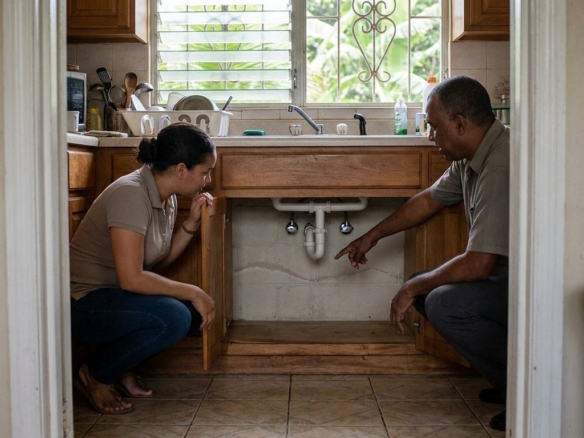
- Inspect the property and its surroundings before making an offer. Look for signs of water entering the home, check drainage after rainfall when possible, and ask about past flooding. For a new build, review its construction stage and approvals with your attorney and relevant professionals. Building also requires active oversight to help keep the work on plan.
- Weigh building against buying an existing home. Land in preferred residential communities may be unavailable or extremely expensive. With bridging finance, funds are released only after each construction stage is complete, and you may need to cover cost overruns at each stage. Consider whether you can oversee the work and manage those expenses.
- Keep flexibility in your plan. Rising prices can narrow your choices, but comparing locations, condition and property types can help you find a purchase that fits your finances. Explore homes for sale as you refine the areas and features that matter most.
Cornerstone: Property sales
When you’re ready to move from planning to viewing, Cornerstone can help you explore property sales in Trinidad and Tobago. Use your budget, preferred location and must-have features to narrow your search and compare suitable properties.
Options include apartments, single-family homes, townhouses, commercial properties, residence-commercial properties and vacant land. Keep your priorities in mind as you review listings, and consider how each property fits your finances and plans for homeownership. If you’re still weighing whether to buy or rent, Cornerstone also offers property rentals and market opinions to help inform your next step. A market opinion is not a licensed valuation.
Buying a first home involves careful decisions, from choosing an area to reviewing a property before making an offer. When you’re ready to discuss property sales, contact Cornerstone to take the next step.
Choose a home that fits the life ahead
A property decision shapes more than where you sleep. It affects daily routines, family plans and how connected you feel to your community. Before choosing a home, picture an ordinary week there. Think about travel, nearby services, space for your household and what you may need to change over time.
For a first-time home buyer in Trinidad, separating must-haves from preferences can help keep a search focused. Decide which compromises you could accept and which would make a property unsuitable. Attractive homes can tempt you to shift your priorities, so talk through the choice with anyone who will share the home and make sure each person has a voice.
When you’re ready to put your priorities into a property search, discuss your next property move with Cornerstone. Take the process one decision at a time, and choose a home that feels right for your household and the future you’re building.
Frequently Asked Questions
Must the property be owner occupied to be entitled to the First Time Homeowner exemption?
Owner occupation is not the qualifying test for the first-time homeowner stamp duty exemption. Eligibility centres on first-time homeowner status and the qualifying property transaction, including when the relevant deeds are executed. For a jointly purchased home, every purchaser must be a first-time homeowner to receive the full first-time exemption. Keep the ownership and transaction documents together.
What About Mortgages?
A mortgage can finance a home purchase, and some facilities have distinct eligibility rules. For example, the TTMB 5% facility offers 95% financing, with a maximum term of 30 years up to age 70. Mortgage deeds can also relate to stamp duty relief, but the deed’s execution date and property use matter. Keep loan approval and tax relief as separate parts of your purchase plan.
What is the effective date for the exemption from stamp duty for First Time Homeowners?
The first-time homeowner stamp duty exemption applies when the Deed of Conveyance and any Deed of Mortgage are executed on or after 01.01.2019. The exemption differs by transaction: buying a house or house and land is treated differently from buying residential land alone. Joint purchasers must all qualify as first-time homeowners for the full first-time exemption to apply.
When Should You Start Thinking About Homeownership?
Start planning before you feel ready to make an offer, so you have time to review your income, commitments and longer-term plans. This helps you decide what kind of home suits your household and how much flexibility you need. For example, if you expect a change in work or family needs, weigh it against location, space and ongoing ownership expenses.
How do you apply for a government house or housing programme in Trinidad and Tobago?
Choose the programme that fits your situation, then compare its income, age and property criteria with your circumstances. Under Rent to Own, an applicant may qualify when financial qualification is within TT$100,000.00 of the allocated unit’s cost and they’re under 35. Participants pay for three to five years, with two thirds of payments applied towards the unit’s deposit.
What are typical house and apartment prices in Trinidad and Tobago?
Prices depend on the property and its location, so one example shouldn’t be treated as a national average. That produces a ratio of 20. Use examples like this to compare buying and renting, then assess individual properties separately.