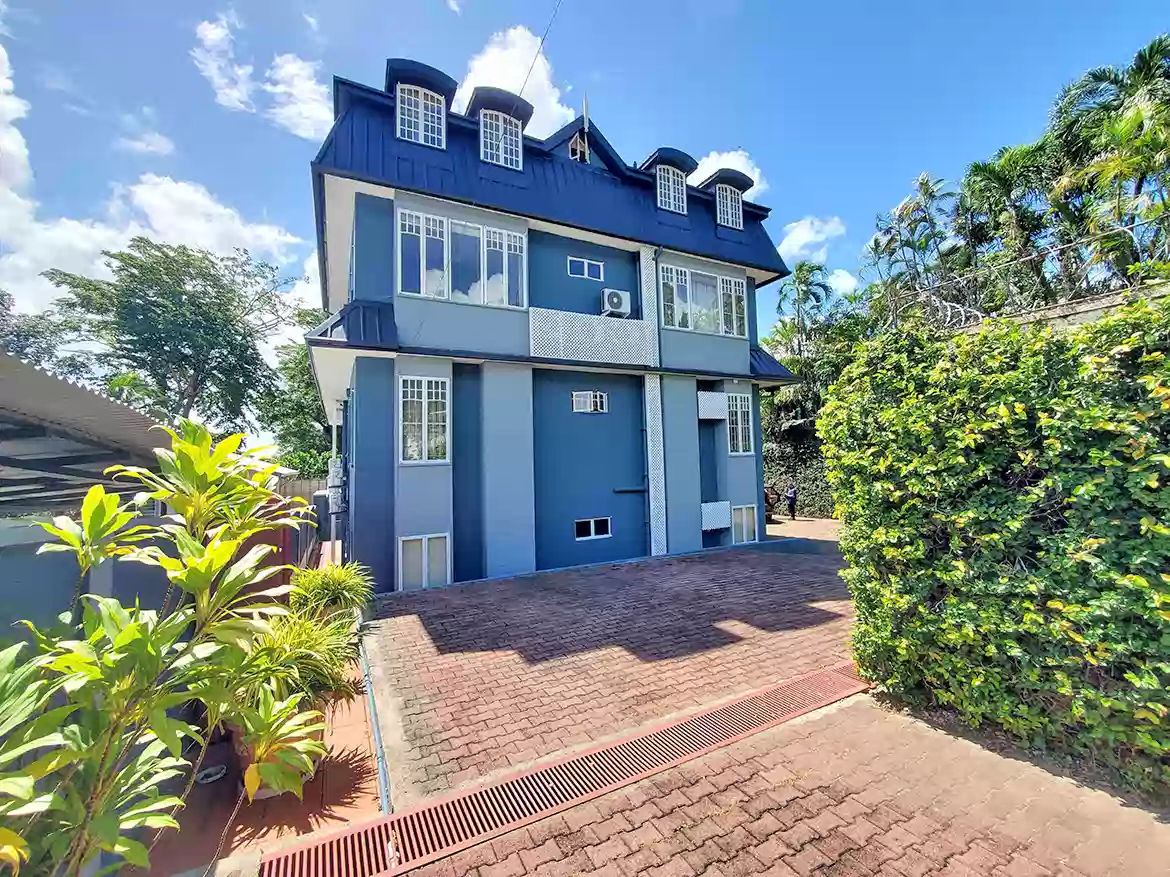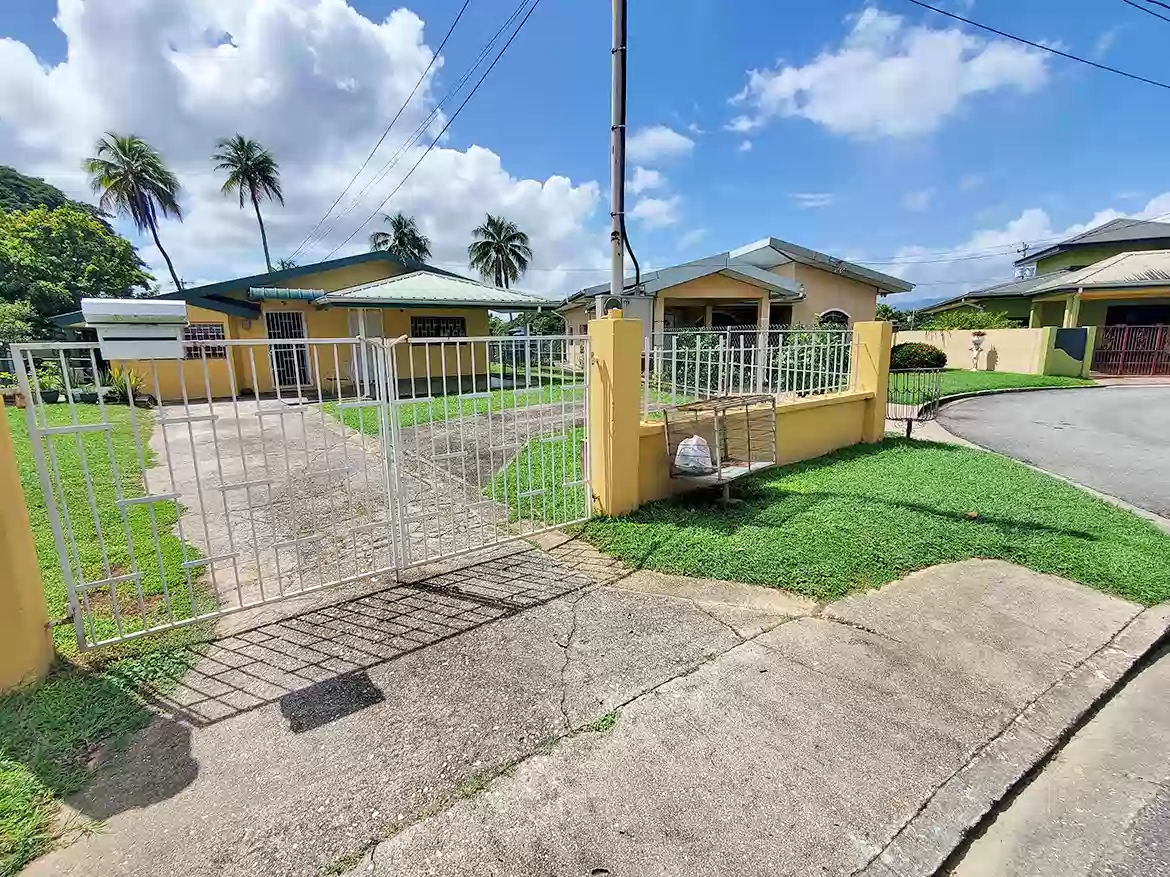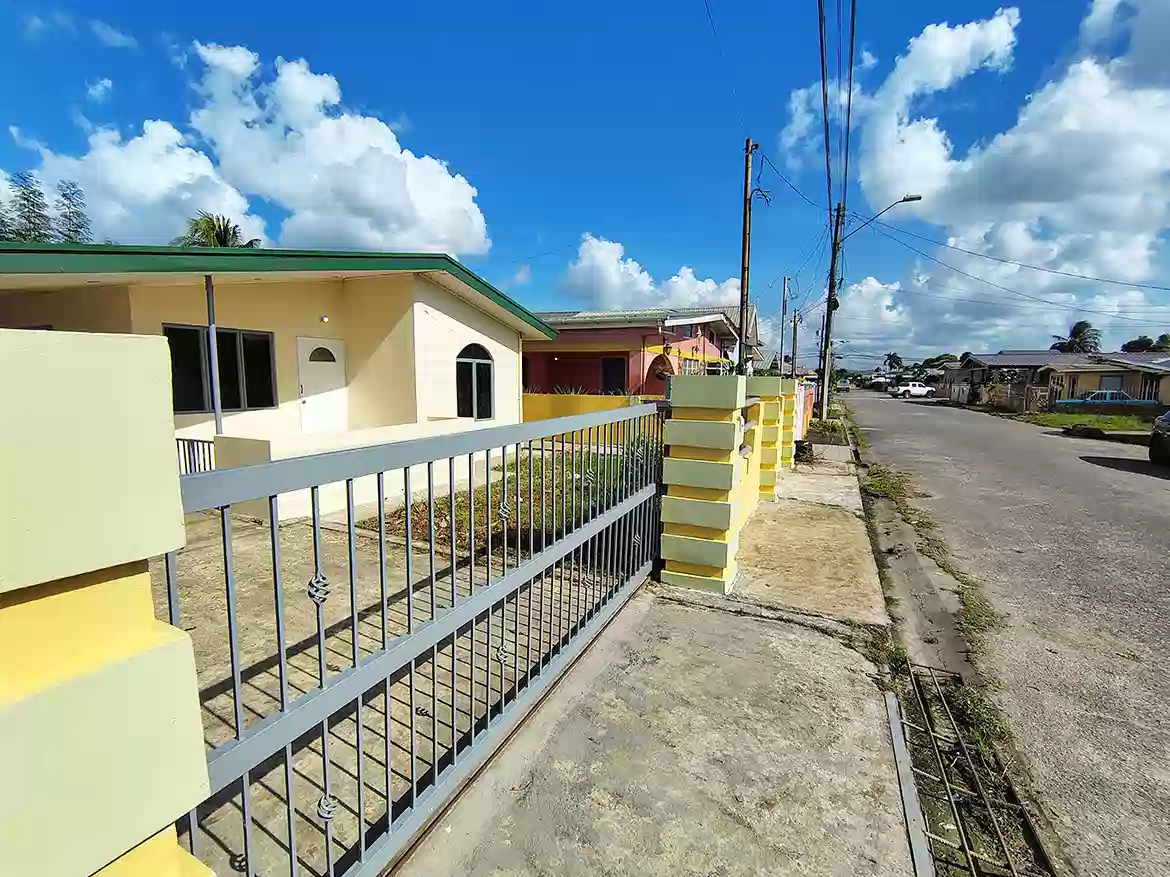








Owning a rental home in Trinidad and Tobago can mean handling tenant questions, rent records and property upkeep. Professional property management provides support with these day-to-day responsibilities while leaving ownership decisions to you. It may suit you if you have limited time or live away from the property.
This article explains what a manager may handle, how maintenance and inspections are coordinated, and what to consider when deciding whether professional oversight fits your plans.
Key Takeaways
- Understand how professional oversight can support rental income, tenant relationships, and the care of your property.
- See how management fees may vary with the services provided and the needs of the property.
- Learn how maintenance coordination and inspections can help identify property concerns over time.
- Clarify which day-to-day tasks a property manager handles and which decisions remain yours as the owner.
What is property management?
Property management brings tenant support, property care, rental marketing and expense tracking together. These services can help keep rental operations organized while supporting your investment.
Protecting Rental Property Investments
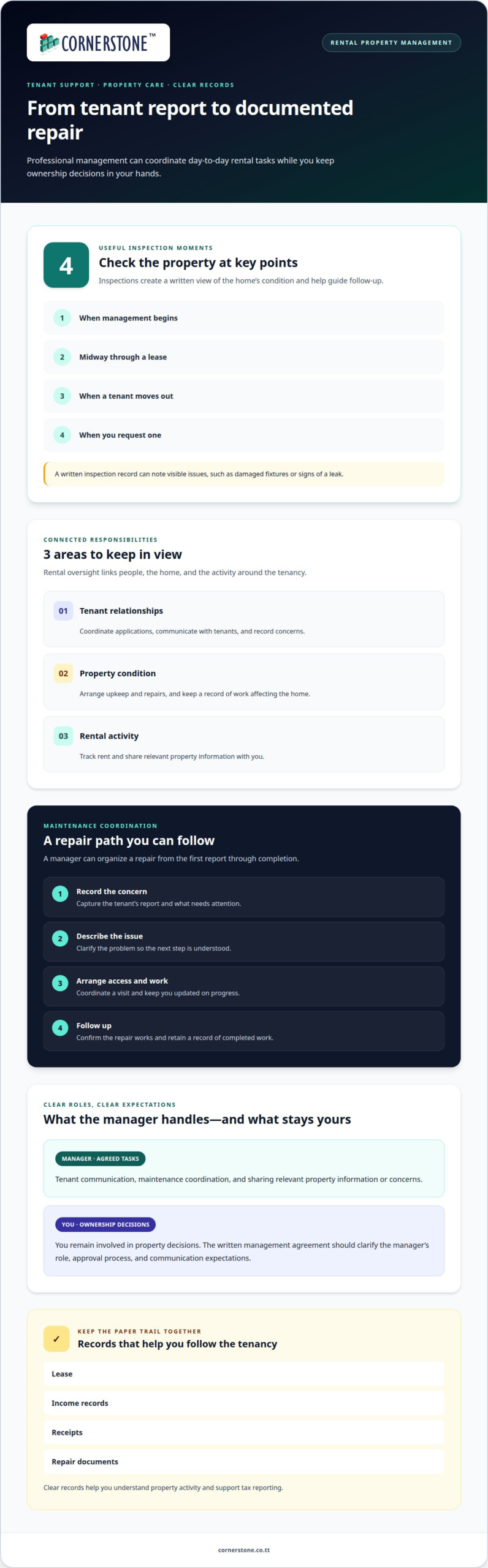
Protecting a rental property investment means managing tenant relationships, the property’s condition and rental income as connected responsibilities. A manager can coordinate applications, record concerns and arrange maintenance before a small issue affects the home or tenant experience. To assess a manager’s approach, review references, use a written management agreement and expect clear records of rent received and expenses paid. These steps give you a clearer picture of how the property is managed.
Management Services and Responsibilities
Rental management covers the ongoing work of preparing a home for tenants and supporting the tenancy. A manager may market the property, coordinate applications, communicate with tenants, track rent and arrange repairs. When comparing services, review the written scope of work, reporting approach, repair approval process and communication expectations. References and sample owner reports can show how responsibilities and property activity are documented.
Operating Expenses, Marketing, and Pricing
Operating expenses are the regular costs of keeping a rental property safe, functional, and ready for occupancy. Examples include utilities paid by the owner, routine upkeep, repairs, insurance, and management charges; which apply depends on the property and agreement. Marketing describes the home accurately, including its layout, condition, and location, to attract suitable renters. Rental pricing should reflect comparable homes, property features, and current demand, rather than relying only on the owner’s expected return.
Legal, Tax, and Insurance Considerations
Legal, tax and insurance considerations shape how you manage a rental and document its income. A property manager’s responsibilities depend on the agreed role and services; rental administration is distinct from licensed valuation and legal conveyancing. Keep the lease, income records, receipts and repair documents together for tax reporting. Review whether your insurance reflects the property’s rental use, and clarify who handles claims and policy communication. These records can support discussions with a qualified tax or insurance professional.
Benefits and costs of hiring a property manager
Hiring a property manager can support your rental operations while leaving ownership decisions with you. The value of that support depends on your property’s needs and how involved you want to be in its day-to-day management.
Benefits of Professional Management
Professional management can give tenants a consistent point of contact and help you track activity at your rental. It may be useful if you live far from the property, have other commitments or oversee more than one home. For example, a manager can organize tenant updates and share relevant information, keeping you informed without requiring you to handle every routine interaction.
Management Fees and Pricing Factors
The management agreement defines the manager’s responsibilities and how you will work together. It can set out communication expectations, owner reporting, tenant administration and the process for getting your approval before decisions are made. Clear terms help you understand what support you will receive and where your involvement is still needed.
Consider the level of oversight that fits your rental plans. A home with a long-term tenant may need a different communication approach from one with frequent changes in occupancy. Your preferred reporting detail, availability to respond to questions and comfort with direct tenant contact can also shape how you work with a manager.
If you want professional support while keeping a clear role in property decisions, explore property management services and consider how they could fit your rental plans.
Fees can be a significant part of the arrangement: rental property management usually costs 8-12% of monthly rent, with possible additional charges for leasing, contracts, or major repairs. The typical monthly property management fee for a single-family home is 8 to 10% of the monthly rent, while a monthly fee is often around 10% of rent or a flat rate.
Maintenance, repairs, and property inspections
For a rental home, planned upkeep, timely repairs and documented inspections help you track its condition. A manager can coordinate these tasks and keep you informed about work that affects tenants.
Property Upkeep and Repairs
Property upkeep covers routine care, while repairs address damage or items that stop working. For example, a leaking tap in an apartment may need attention before it damages a cabinet or disrupts a tenant’s use of the kitchen. A clear record of reported problems, work arranged and completed repairs helps you follow the home’s condition and connect maintenance activity with rental income and payments.
Maintenance Coordination
Maintenance coordination means organizing a repair from the first report through completion. A manager can record a tenant’s concern, describe the issue, arrange access and update you on progress. For example, a broken appliance may require a visit and follow-up to confirm it works. Clear communication helps tenants understand the next step and gives you a record of work affecting the property.
Inspections and Shared-Area Care
Inspections document a property’s condition at useful points in a tenancy. They may take place when management begins, midway through a lease, when a tenant moves out or when you request one. A written record can note visible issues, such as damaged fixtures or signs of a leak, and guide follow-up. In an apartment building, care may also include shared spaces such as hallways, entrances or amenities. The management agreement should clarify which areas and tasks are covered.
Property manager responsibilities
A property manager handles agreed rental tasks and keeps you informed about the property. The management agreement should clarify what the manager can handle and which decisions remain yours.
For an individual rental, responsibilities may include tenant communication, maintenance coordination, and sharing relevant property information. A property manager should also share concerns or necessary upgrades with you. This helps you identify what needs attention and decide how to respond.
Your agreement should describe the services, reporting, repair approval process and the manager’s authority. It should also explain how tenant matters are handled and how either party can end the arrangement. Clear terms help prevent confusion about who communicates with tenants, approves work or decides how rental matters are managed.
Rental management differs from homeowners’ association management. A rental manager focuses on the owner’s income and tenant experience, while association management serves the wider community. For example, an association manager may handle shared-area matters, while a rental manager addresses issues related to an individual home and its tenancy.
A property manager can coordinate tenant concerns, but their authority has limits. A manager cannot forcibly remove a tenant without an eviction order or enter a rental property without notifying the tenant beforehand. The agreement can explain how concerns are reported, how access is coordinated and when you need to decide on a proposed action.
Before signing, read each responsibility alongside the reporting and approval terms. For support with rental oversight, explore property management.
Cornerstone: Property management
Cornerstone provides property management for residential property owners in Trinidad and Tobago. If tenant communication, rental administration, and property oversight are taking time away from your other plans, its management service may suit your needs. Landlords can also use a secure online portal to access property information.
If you’re deciding whether to rent or sell, Cornerstone also offers property rentals, property sales and property market opinions. A market opinion can help inform your plans, but it is not a licensed property valuation. The right next step depends on your goal: ongoing rental support, help bringing a property to market or insight into its market position.
Contact Cornerstone to discuss your property management needs.
Choose the next step for your property
Your next move depends on what you want the property to do for you. If you plan to keep it as a rental, property management for homeowners can provide professional support with ongoing responsibilities. If your plans are changing, Cornerstone also offers property rentals and sales. Its team can help you consider which direction suits your property plans.
You don’t need every detail settled before starting a conversation. Think about the support you need and the outcome you want, whether that means managing a rental or preparing to sell. A clear discussion can help you understand the next steps for your property in Trinidad and Tobago.
When you’re ready, contact Cornerstone to discuss your property. Take the next step at a pace that feels right for you.
Frequently Asked Questions
What does property management for homeowners include?
It is an arrangement for professional oversight of a rental home, with responsibilities agreed between you and the manager. The scope can reflect whether you want help with tenant matters, rental administration or property oversight. Your role as owner remains part of the arrangement, so the agreement should clarify which decisions you retain and how you receive updates.
How much do property management companies charge in Trinidad and Tobago?
There is no single amount that applies to every property management arrangement. The written agreement should set out the services and the amount agreed for them. The work involved, the property’s needs and the responsibilities you assign shape the arrangement. Review the terms together before management begins so expectations are clear.
What services are included in property management fees?
The management agreement identifies the services included. Rather than relying on a broad label, look for clear descriptions of the manager’s role, owner approvals, reporting and how the arrangement can be changed or ended. For example, the agreement can distinguish routine communication from decisions that need your direct input. This helps you understand the service boundaries before signing.
How do property managers handle tenant screening, rent collection, and late payments?
Rental applications in Trinidad and Tobago may include identification, employment or income details and references. A manager can organize the application process and follow the agreed approach for tenant communication and rent records. The lease should explain how late rent is addressed and how updates reach you. This provides a defined process without assuming every tenancy has the same terms.
How are repairs and maintenance managed, and who pays for them?
The lease and management agreement should distinguish who arranges work from who approves it. Responsibility for a repair depends on the tenancy terms and the issue, so the documents should explain how maintenance concerns are handled. For example, the manager may report a problem and seek your decision before proceeding. Clear records help you understand what was reported and what action followed.
What are the pros and cons of hiring a property manager versus self-managing?
Hiring a manager gives you professional support, while self-management gives you more direct control over tenant communication and decisions. Consider how readily you can respond to tenant concerns, keep records organized and stay involved in the tenancy. If you live away from the property or prefer less direct contact, management may suit you. If you value hands-on control, self-management may be a better fit.