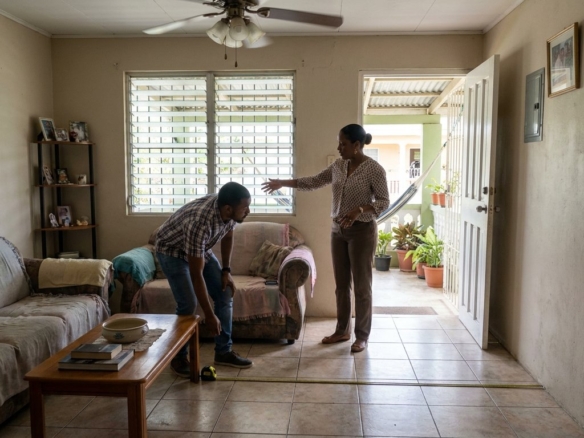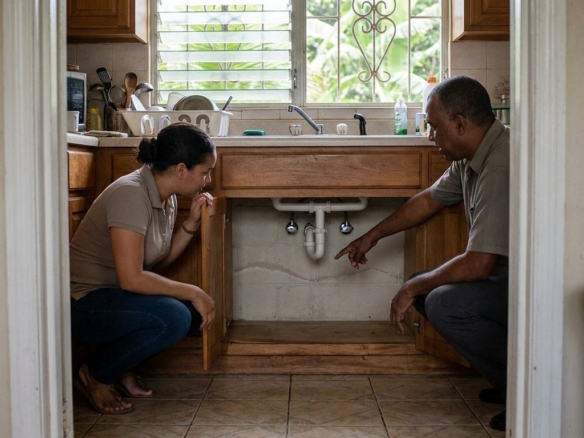

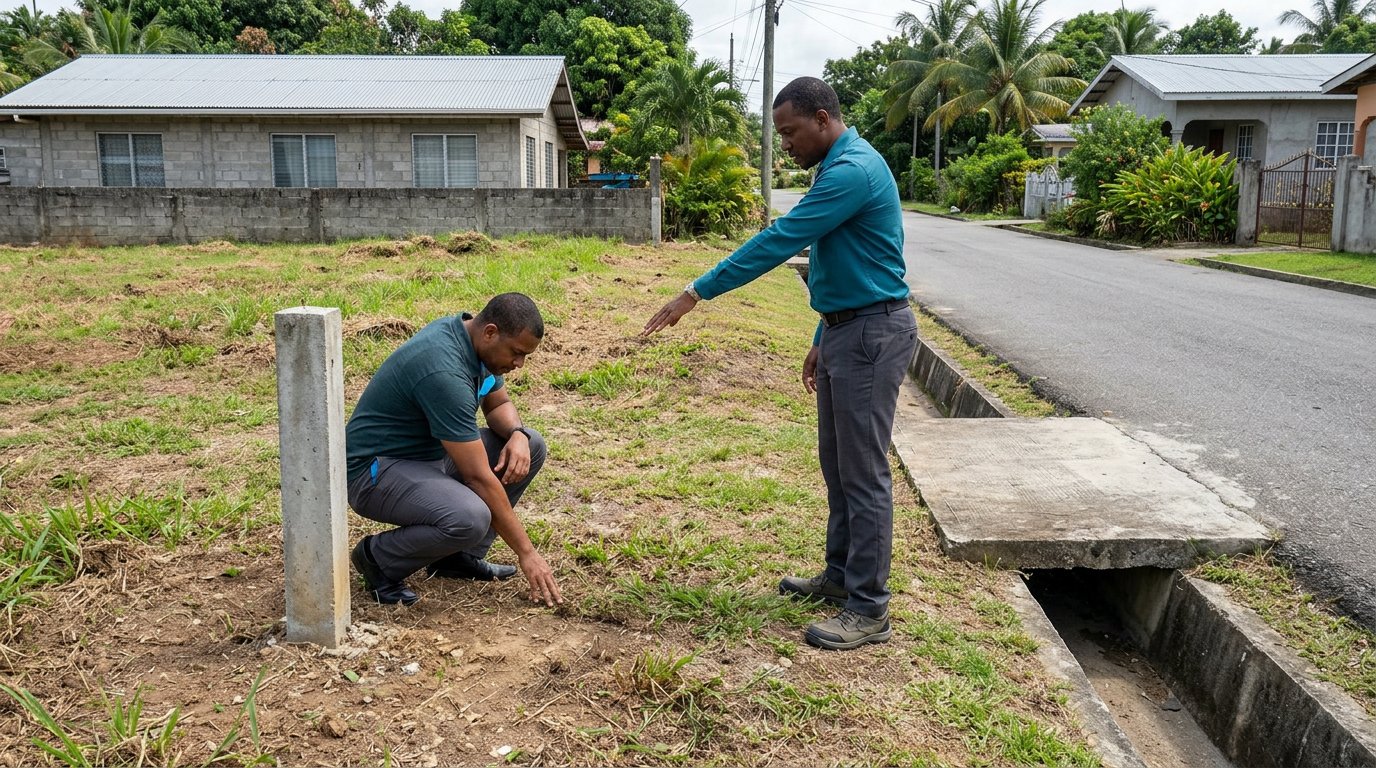
Buy when your finances, timing and property checks align. Wait if key assumptions remain untested: many property buying mistakes in Trinidad start with rushing past these basics.
It’s natural to wonder whether waiting might bring a better opportunity. But timing the market matters less than knowing what you can manage and understanding what you’re agreeing to.
This guide will help you weigh buying now against waiting, plan for ownership, review deposits and sale agreements, and understand why a title search and careful checks matter before you commit.
Key Takeaways
- Decide whether buying now fits your finances and plans, rather than relying on predictions about the market.
- Build a realistic ownership budget that accounts for expenses beyond the purchase price.
- Before paying a deposit, make sure the sale terms are written down and the agreement has been reviewed.
- Use a title search and other due diligence to uncover ownership or property issues before committing.
Budgeting for purchase and ownership costs
Separate the purchase price from transaction charges and ongoing ownership costs. Set your budget before signing, then factor in financing, the property’s condition and your plans to establish how much you need available.
-
Budget for Taxes and Purchase Costs
Ask your attorney to itemize stamp duty, registration charges, legal fees, mortgage processing, insurance, valuation and survey expenses. Stamp duty is a one-time government tax on real estate transaction documents, according to the Inland Revenue Division, Ministry of Finance. It is assessed when the Deed of Conveyance is signed, and the transfer instrument cannot be registered until the document is stamped. Keep these charges distinct from the purchase price so you can see the full amount due at closing.
- If you are a foreign buyer, the Foreign Investment Act limits ownership to one acre of residential land and five acres for business purposes. Foreign buyers should confirm the currency requirements for a purchase with their attorney before proceeding. Include these requirements in your planning before signing, and ask your attorney how they apply to the property and transaction documents.
-
Plan for Closing Costs and Timelines
Set aside funds for legal work, lender charges, insurance and required transaction documents, then ask your attorney to explain each item. A standard Agreement for Sale typically sets completion within 90 days, though the parties can negotiate the date. Confirm the expected sequence for signing, payment and conveyance, and allow your plans to account for delays that could affect financing arrangements or your move.
- Keep ongoing ownership expenses separate from closing charges. Budget for insurance, maintenance and repairs, which continue after the conveyance is registered. Mortgage approval alone does not show what you can comfortably afford. Compare the proposed payment with your other obligations and household expenses, and leave room in your budget for routine upkeep and unexpected property needs.
Sale agreements and deposits
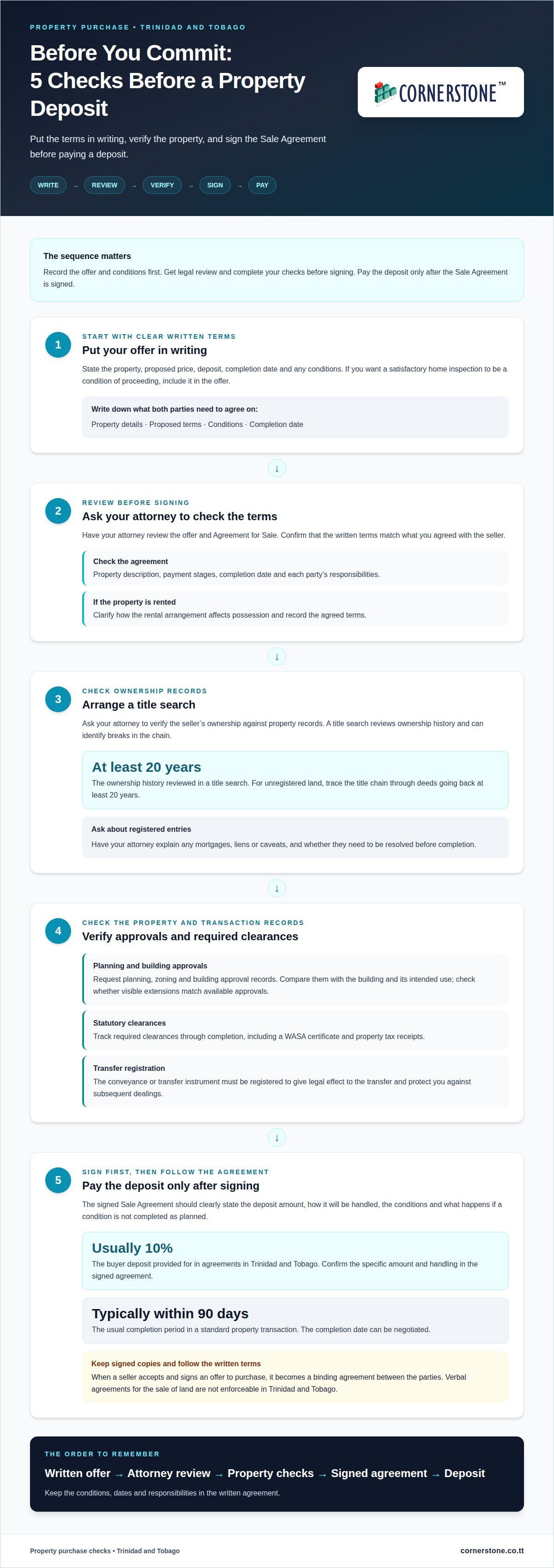
Put your offer in writing, have an attorney review the terms, and do not pay a deposit before signing the Sale Agreement. In Trinidad and Tobago, the agreement records what the buyer and seller accept, including the price, conditions and completion date.
- Put the offer in writing and clearly state the property, proposed price, deposit, completion date and any conditions. If you want a satisfactory home inspection to be a condition of proceeding, include that in the offer. Written terms give both parties a clear record to discuss before signing.
- Ask your attorney to review the offer and Agreement for Sale before you sign. Check that the property description, payment stages, completion date and responsibilities match what you agreed with the seller. If the property is occupied under a rental arrangement, clarify how that affects possession and record the agreed terms.
- Sign the Sale Agreement before paying the deposit. Agreements in Trinidad and Tobago usually provide for a 10% buyer deposit, with completion within 90 days. The specific terms belong in the signed agreement, so make sure the deposit amount and how it will be handled are clearly written.
- Confirm the conditions and dates with the seller before committing. A standard property transaction typically has a 90-day closing period, but the completion date is negotiable. Make sure the agreement explains what happens if a condition, such as the mortgage or title search, is not completed as planned.
- Keep copies of signed documents and follow the agreed payment and completion steps. When a seller accepts and signs an offer to purchase, it becomes a binding agreement between the parties. Verbal agreements for the sale of land are not enforceable in Trinidad and Tobago, so do not rely on a conversation to change written terms.
Record every offer term and condition to reduce the risk of later problems. Make a satisfactory home inspection a condition of proceeding, have an attorney review the agreement, and sign it before paying any deposit.
Title searches and due diligence
Make title checks part of your due diligence before committing to a property purchase. A title search can reveal ownership issues, registered claims and other details that may affect the transfer.
-
Check Property Title and Ownership
Ask your attorney to arrange a title search and verify the seller’s ownership against the property records. In Trinidad and Tobago, a search reviews at least twenty years of ownership history and can identify breaks in the chain of ownership. For unregistered land, the title chain must be traced through deeds going back at least 20 years. Don’t rely on a certificate or the seller’s account alone.
- Have the title search identify registered mortgages, liens and caveats before proceeding. These entries may affect the seller’s ability to transfer the property and what must be resolved before completion. Ask your attorney to explain each entry and how it relates to the contract, purchase price and proposed transfer. Property title may be registered under the Real Property Act.
-
Check Planning and Building Approvals
Request the property’s planning, zoning and building approval records, then compare them with the current building and its intended use. For example, if an extension is visible, establish whether it matches the available approval records. Do not assume that an existing structure or its use has the approvals you need. Resolve questions about permissions before making an unconditional commitment.
- Ask your attorney to track the conveyance and required clearances through completion. Property transactions require statutory clearances, including a WASA certificate and property tax receipts. The conveyance or transfer instrument must be registered to give legal effect to the transfer and protect you against subsequent dealings. Property conveyancing is governed by the Conveyancing and Law of Property Act, Chapter 56:01, and related legislation.
Common property-buying mistakes
In Trinidad and Tobago, do not rely on a listing alone. To avoid property buying mistakes in Trinidad, compare the listing’s claims with the property, the seller’s authority and the records before arranging payment.
-
Check Listings for Misleading Claims
Compare each advertised feature with what you see during a viewing. If the photos show a different layout from the home, ask which property they depict. Check whether the stated fixtures, access and intended use match the property in front of you. Note any difference between the advertisement and the viewing, and get a clear explanation before treating that detail as part of the offer.
- Compare similar listings in the same neighbourhood, weighing condition, location and features together. Do not judge a property only by polished photos or a broad description of its Caribbean setting. For example, convenient access matters only if the route works for your daily plans. Avoid property buying mistakes in Trinidad by assessing the specific home against your needs, not its presentation.
-
Avoid Property Scams
Confirm who is offering the property and whether they can represent its owner. Compare the seller’s identity and the property details across the advertisement, written offer and transaction documents. If someone outside the discussions suddenly requests payment, pause and raise the mismatch with your attorney. Keep relevant messages and documents together to track what each party has communicated.
- Be cautious if someone pressures you to pay immediately or changes key details during discussions. Check that the property, seller and payment instructions remain consistent from viewing through to the written offer. For example, if the payment instructions name someone different from the seller, do not assume the difference is harmless. Resolve the discrepancy through the agreed transaction process before taking another step.
- Keep your search focused on properties that fit your needs and budget. Explore properties for sale as you compare options across Trinidad and Tobago.
Cornerstone
Cornerstone helps buyers explore property sales and assess how a property fits their plans. If you are comparing options or weighing whether to buy now, its property market opinion provides market context, not a licensed valuation. It does not replace a title search or legal advice from your attorney.
Bring your priorities and questions to the conversation, such as the type of home you need, the location you are considering or concerns about the asking terms. Discussing these points can clarify what matters most as you assess your next step, without pressure to commit to a property.
Contact Cornerstone to talk through your property search.
Make your next property decision with care
Set a clear decision framework: identify what you need from a home, what would make you pause and how the property must fit your plans. Keeping these priorities in view can help you avoid property-buying mistakes in Trinidad when a promising listing or competing offer adds pressure.
Cornerstone helps buyers explore property sales and rentals, or discuss a property market opinion as they consider their options. A market opinion provides market context, not a licensed valuation or legal advice. Keep the appropriate professionals involved for those matters.
If you’re ready to talk through your property search, contact Cornerstone about buying property. Take the next step at a pace that feels right for you.
Frequently Asked Questions
Should You Buy or Wait?
Buy when the property fits your finances and plans; wait if the payments would leave too little room for ordinary expenses. A mortgage pre-approval can help you understand your borrowing eligibility, but it does not guarantee final loan approval or show what you can comfortably afford. Compare your expected monthly housing payment with your income, debts and plans before deciding whether a particular home makes sense.
What are the most common mistakes when buying property in Trinidad and Tobago?
Common missteps include judging a home by its listing, overlooking its condition and choosing a location without considering daily needs. During an inspection, pay attention to the roof, plumbing, electrical systems and drainage. Signs of water entry, for example, can affect repair needs and how comfortably you use the home. Compare the property’s actual condition with your intended use before deciding.
What legal searches should a lawyer conduct before buying property in Trinidad?
Your attorney should examine the ownership records and documents needed to support the transfer, then explain any issues before you commit. For land, a survey can help establish whether the recorded boundaries match what you are buying and reveal possible encroachments. Ask how the property description in your offer relates to the title documents, especially if a boundary or access route is unclear.
How do freehold and leasehold property differ in Trinidad and Tobago?
Freehold and leasehold describe different ownership arrangements. With leasehold property, the remaining term matters: a lease with 30 years left is materially different from one with 200 years remaining. Before making an offer, ask your attorney to explain the lease term, its stated conditions and what the documents say about the end of the lease. Factor the remaining term into your long-term plans.
How can buyers assess flood, landslide, drainage, and coastal risks in Trinidad?
Consider the site and its surroundings, not just the house. Look for signs of water entry, blocked drains, sloping ground or visible erosion, and ask about the property’s flood history. Check how nearby roads and access routes may be affected by heavy rain or coastal exposure. A professional inspection can help identify condition concerns that a viewing alone may miss.