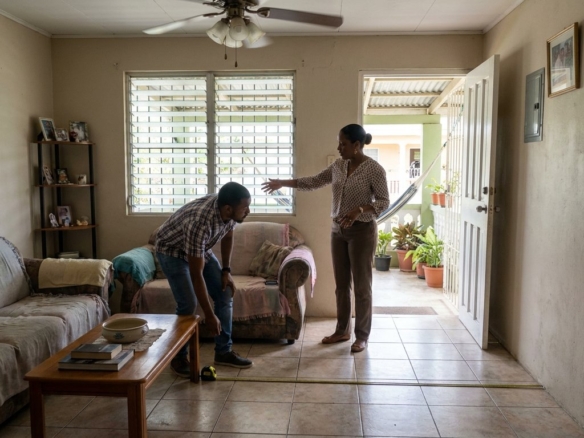

A home that looks move-in ready isn’t automatically a sound choice for resale. When considering what to check before buying a house, look beyond appearances: assess the roof and major systems, test fixtures and utilities, and evaluate the location and market. A home inspection can identify potential concerns, but it cannot guarantee the property’s condition.
It’s natural to focus on the kitchen, fresh paint or asking price. Those details matter, but location and future repairs can shape a home’s appeal just as much. This guide covers how to assess the property’s condition, services and surroundings, then compare local sales and market trends. You’ll be better equipped to weigh factors that may support resale value, anticipate extra costs and identify questions to resolve before deciding.
Key Takeaways
- Look past fresh finishes and assess the roof, major systems and signs of moisture to spot possible future maintenance needs.
- Test fixtures and observe plumbing and electrical details, noting anything that could affect comfort or resale appeal.
- Build your budget around the full cost of ownership, including closing expenses, insurance, upkeep and unexpected repairs.
- Compare recent local sales and consider planned development, access to amenities and changing neighbourhood demand.
1. Inspecting major systems, appliances and roof condition
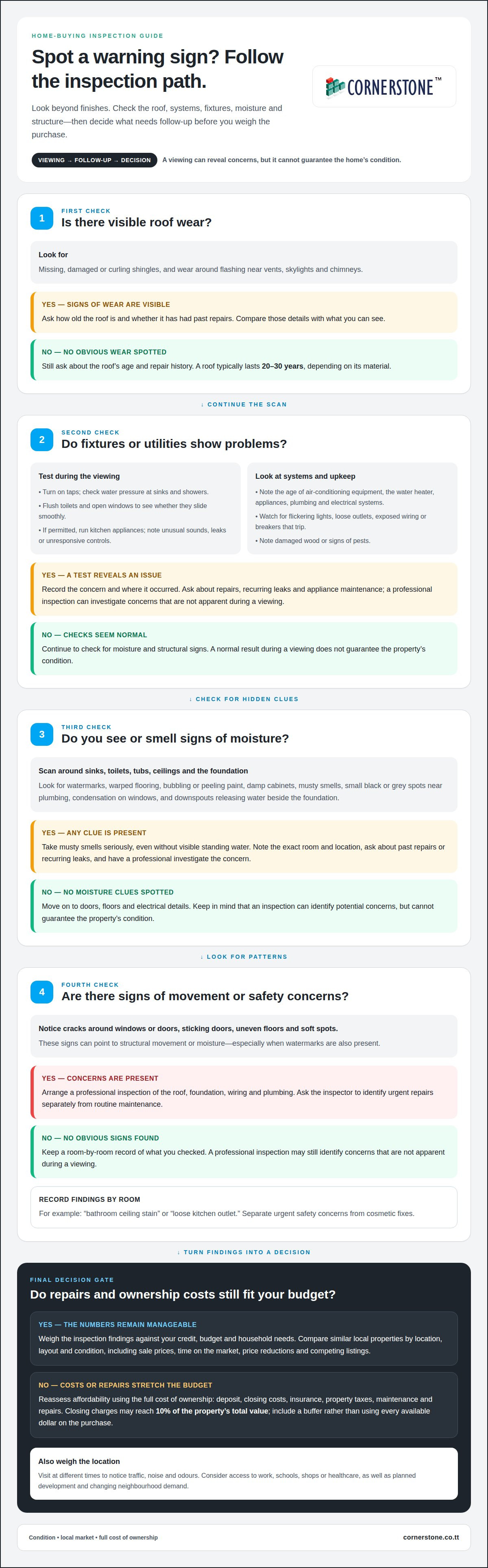
Start with the roof, because its condition can affect repairs, insurance and a future sale. A roof typically lasts 20-30 years, depending on its material. Look for missing, damaged or curling shingles, and check flashing around vents, skylights and chimneys for wear. Ask about the roof’s age and any past repairs, then compare that information with what you can see.
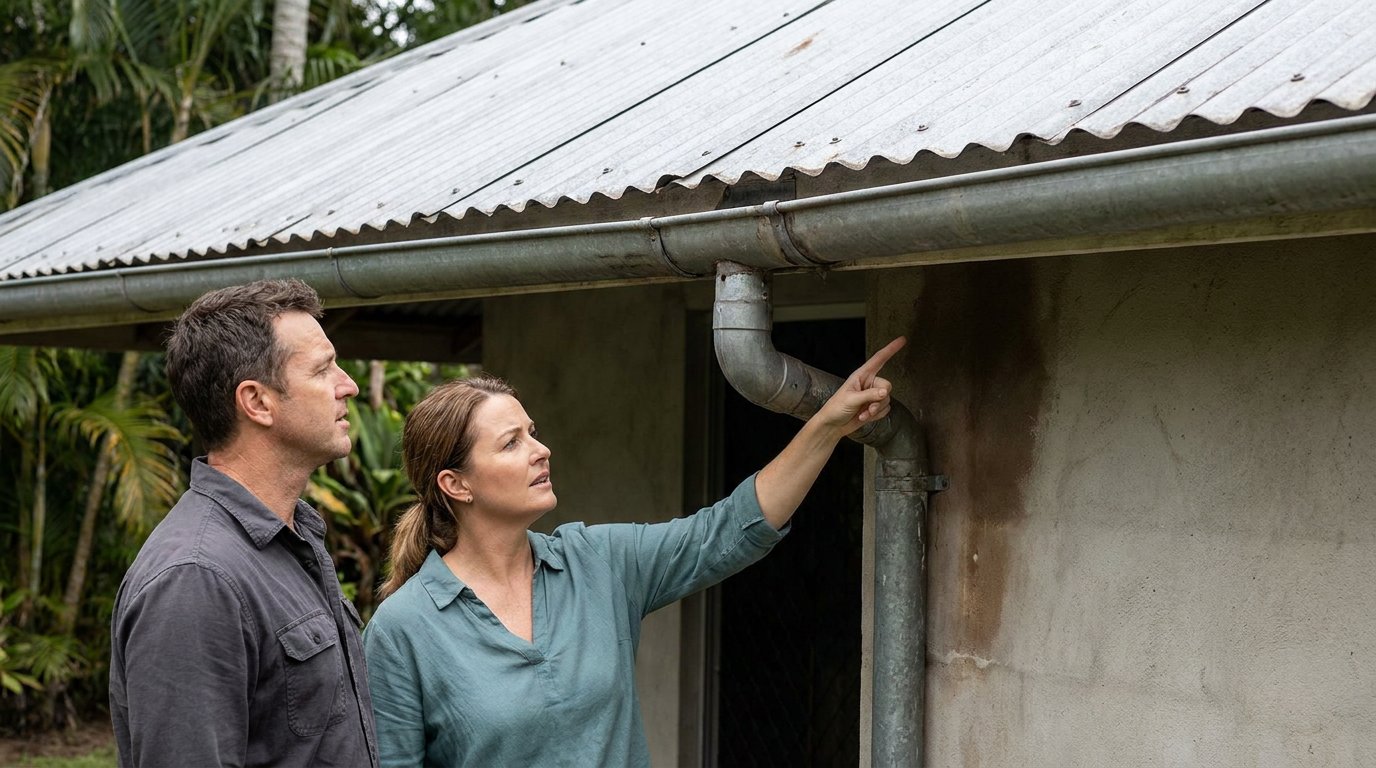
Assess the age and condition of the property’s major systems. Note the age of the air-conditioning equipment, water heater, appliances, plumbing and electrical systems, and look for signs of poor upkeep. An inspection can identify potential concerns, but it cannot guarantee the property’s condition. Watch for condensation on windows, peeling paint near doors or vents, and downspouts that release water beside the foundation.
Use comparable sales to assess whether the asking price fits the local market. Compare similar properties by location, layout and condition, then consider their sale prices, time on the market, price reductions and competing listings. Updated bathrooms may appeal to buyers, but recent sales help show whether buyers in that area are paying more for such features.
Give location careful consideration because renovations can’t change where a property sits. Visit at different times to notice traffic, noise and odours, and assess access to work, schools, shops or healthcare. Consider how planned development or changing demand could affect everyday convenience and future buyer interest.
In Trinidad and Tobago, buying a house generally involves making an offer, agreeing on the price and terms, completing property checks and legal review, signing a sale agreement, and proceeding to closing. After your offer is accepted, work through financing and the required documents with the professionals involved in the transaction.
2. Fixtures, appliances, plumbing and electrical systems
Test everyday fixtures during the viewing, not just their appearance. Turn on taps, flush toilets and check water pressure at sinks and showers. Open windows to see whether they slide smoothly. In the kitchen, run appliances if the seller permits, and note unusual sounds, leaks or unresponsive controls.
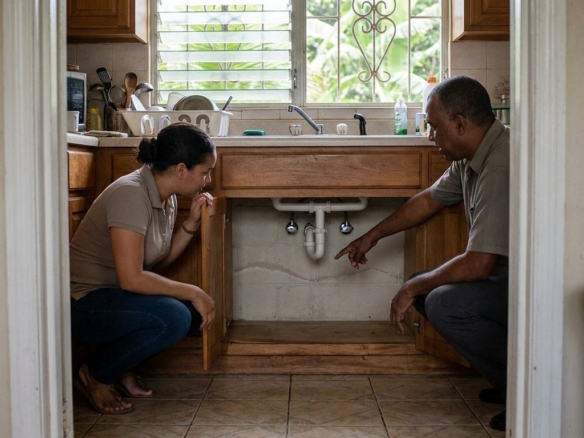
Look beneath sinks and around toilets, tubs and bathroom ceilings. Watermarks, warped flooring, bubbling paint or fresh paint limited to one patch may point to past or active moisture. Take musty smells seriously, even when there’s no visible standing water. Small black or grey spots near plumbing could signal mould or another underlying issue.
A practical room-by-room approach to what to check before buying a house is to look for pests, dampness and electrical problems. Check for damaged wood or signs of pests, then note musty odours, stains and damp cabinets. Test taps and flush toilets, and look for flickering lights, loose outlets, exposed wiring or breakers that trip. A professional inspection can investigate concerns that aren’t apparent during a viewing.
Watch for cracks around windows and doors, sticking doors, uneven floors and soft spots. These signs can point to structural movement or moisture, especially when accompanied by watermarks. Review the seller’s disclosures and ask about repairs, recurring leaks and appliance maintenance. Record concerns by room, such as a bathroom ceiling stain or a loose kitchen outlet.
Include repairs and ongoing upkeep in your list of what to check before buying a house. An ageing water heater or faulty wiring can add maintenance costs to your monthly housing expenses. Note which bedrooms, fixtures and appliances need work, and separate urgent safety concerns from cosmetic fixes. This helps you judge whether the purchase remains affordable after closing, rather than focusing only on the asking price.
3. How can I ensure the home I’m buying has good resale value?
Resale potential depends on more than a fresh kitchen or attractive layout. Set a budget that includes the deposit, closing costs, insurance, property taxes, maintenance and repairs. Closing charges may reach 10% of the property’s total value, so include a buffer rather than using every available dollar on the purchase.
What documents should I verify before buying property in Trinidad and Tobago? Review the title deed, ownership records, property disclosures and records of renovations or permits. Have a conveyancing lawyer review the documents and confirm the seller’s right to transfer ownership.
How can I check zoning, planning permission and building approvals for a property? Compare the existing building and layout with approved plans and relevant permissions. Check for additions, such as an extra bedroom or extended kitchen, and have a conveyancing lawyer review the property records.
How much does a professional home inspection cost in Trinidad and Tobago? The fee depends on the property’s size, the inspection’s scope and access to areas such as the roof and utility spaces. Ask about the inspection scope and fee before arranging the visit, then use the findings to plan repairs and ongoing maintenance.
What taxes, legal fees and closing costs apply when buying a house in Trinidad and Tobago? Budget for applicable taxes, legal fees and other closing charges, which can vary with the property and transaction. Include these costs alongside insurance and repairs when deciding what you can afford.
How do I check property title, liens, boundaries and ownership in Trinidad and Tobago? Ask a conveyancing lawyer to review the title deed, ownership chain and records for liens or disputes. Compare boundary details with the property plans and visible features, including fences and access points.
Before making an offer, arrange a professional inspection of the roof, foundation, wiring and plumbing. Ask the inspector to identify urgent repairs separately from routine maintenance. Then weigh the findings against your credit, budget and household needs. A two-bedroom home may suit you now, while room for future household changes can help preserve its appeal to later buyers. Consider the surrounding neighborhood, too: access, services and the condition of nearby properties shape daily convenience and buyer interest.
4. Market trends and economic factors
A house’s resale prospects depend partly on who may want it later and what they can afford. In Trinidad and Tobago, compare similar nearby properties by actual sale prices, time on the market, price reductions and competing listings. Asking prices show seller expectations, not necessarily what buyers paid. A real estate market opinion can help place an asking price in context, but it is not a licensed valuation.
Mortgage interest rates affect borrowing costs and can influence buyer demand. When comparing properties, consider how changes in borrowing costs could affect future buyers’ budgets. Local employment matters, too: steady work opportunities can support household confidence and spending, while weaker prospects may reduce demand. These factors change over time, so rely on current local sales rather than assuming past price growth will continue.
Look beyond the property line. Planned roads, transport links, schools or commercial development may improve access and the area’s appeal. Zoning changes can also alter activity nearby. Check what is planned around the home, then consider how construction, traffic or new services could affect daily life. Visit at different times to notice changes in noise, congestion and access.
Market conditions don’t replace a property inspection. A popular location can’t resolve structural concerns, and attractive appliances don’t guarantee future demand. Use inspection findings to judge whether the asking price reflects repair needs. Then compare the home’s layout, condition and location with other properties buyers may consider. This gives you a more grounded view of resale prospects than relying on one feature or the asking price alone.
For a local perspective on how a property’s asking price compares with market conditions, request a property market opinion. It can inform your decision, while a licensed valuation serves a different purpose.
Cornerstone: Property sales
Cornerstone can help you explore property sales in Trinidad and Tobago as you put your inspection findings and market research to work. Carry your priorities into the search: property condition, location, layout, and the repairs or maintenance you can manage. Compare homes on those points, not just their asking prices. If a property suits your needs today but has features that may limit future buyer interest, weigh that trade-off before deciding. A clear list of must-haves and concerns can keep your search focused as you consider available homes. For a relaxed next step, contact Cornerstone about property sales.
Choose a home that leaves room for your next chapter
A good purchase should suit your life now and remain appealing to people who may value it later. As you decide what to check before buying a house, consider flexibility: could the rooms serve different needs, and might the location suit someone with a different routine? These questions help you look beyond today’s preferences.
Write down your priorities as you compare homes. A clear list can help you weigh trade-offs calmly, whether you’re choosing between a quieter area and easier access to daily essentials or deciding how much upkeep suits your plans. Resale value is one part of the decision. Feeling comfortable with the home and its ongoing responsibilities matters, too.
If you’re weighing your next move, contact Cornerstone to discuss your home. A conversation about your plans can help you explore a suitable next step, whether you’re considering a purchase or another direction. Take your time, ask the questions that matter to you, and move ahead with a choice that feels considered.
Frequently Asked Questions
How can I ensure the home I’m buying has good resale value?
Choosing a home that suits a broad range of future buyers may improve its appeal, but resale value can’t be guaranteed. Consider adaptable rooms, practical storage and a layout that doesn’t depend on highly personal design choices. For example, a spare room that can serve as an office or bedroom may suit changing household needs. Weigh these qualities against your own priorities before deciding.
Does the Home Need Work Done?
Not every repair should rule out a purchase, but understand the work involved before you commit. Distinguish cosmetic updates, such as repainting, from issues that could affect safety or cause further damage. Ask about past repairs and note which areas need attention first. If a repair could change your budget or decision, factor it into offer discussions.
How do I choose the right location for my new home?
Choose an area that suits your daily routine and longer-term plans. Map regular trips to work, school, shops and healthcare, and consider how road access and public transport affect those journeys. Think about drainage and exposure to weather, too. A home may fit your budget but still feel inconvenient if essential errands involve difficult or lengthy travel.
How do I prepare for house hunting?
Before viewing homes, set a comfortable spending limit and separate essential features from preferences. Gather information about your income, savings and debts so you can discuss mortgage options with a lender. Keep a simple record for each viewing, including the asking price, condition, layout and questions to follow up. Comparing notes soon after each visit makes trade-offs easier to spot.
How do interest rates affect my home purchase?
Interest rates affect borrowing costs and how much buyers can comfortably spend. If rates rise, mortgage payments may take up more of a household budget, narrowing the pool of buyers for some homes. If rates fall, borrowing may become more manageable. Consider how a change in payments would affect your finances before setting a purchase limit.
What are the must-haves when buying a house?
Must-haves depend on your household, but start with features that are difficult or costly to change. These may include enough bedrooms, accessible utilities, a practical layout and a location that supports daily routines. Then list preferences, such as a larger kitchen or extra storage. This distinction helps you compare homes without letting attractive extras distract from essential needs.