
A home market value estimate in Trinidad draws on local market activity and comparable property sales, while accounting for land size, building area, layout, condition, and market direction. The land and building are considered together as one property, although differences in usable space and layout can explain why similar homes receive different estimates. This guide explains how these local factors shape an estimate and what property details matter, so you can understand the basis for a market opinion and decide what to do next.
Key Takeaways
- A home’s land and building are considered together in a market value estimate, with comparable sales and market direction helping shape the result.
- Land size, building area, and how comfortably the layout works can help explain differences between similar homes.
- Condition, property documents, utilities, and potential for future use can influence buyer interest and market value.
- The final deadline for submitting required land Returns in Trinidad and Tobago was February 28th, 2022, according to the Valuation Division, Ministry of Finance.
Estimating market value
A home estimate considers comparable sales, property details, and whether the local market is rising, stable, or declining. In Trinidad and Tobago, the land and building are considered together as one property.
Market Value, Appraised Value, and Asking Price
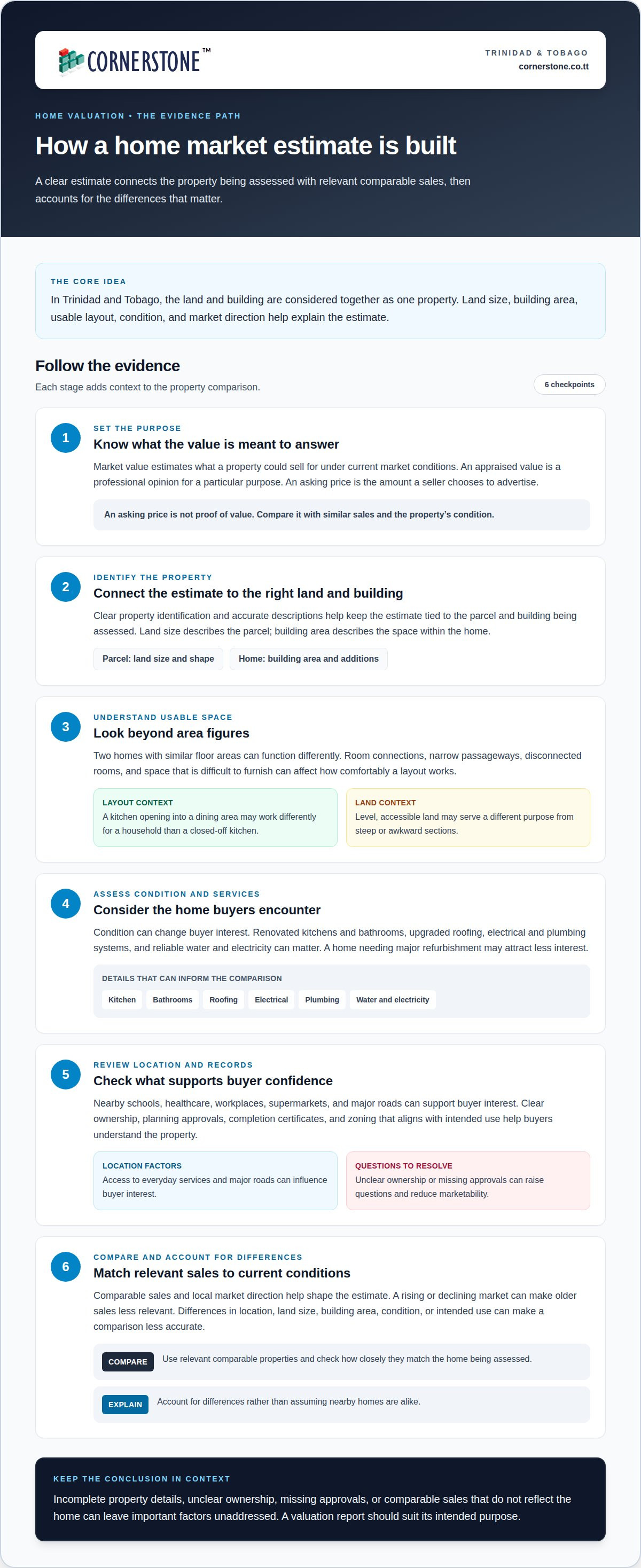
Market value is an estimate of what a property could sell for under current market conditions. An appraised value is a professional opinion prepared for a particular purpose, while the asking price is the amount a seller chooses to advertise. For a residential home or commercial property, compare the asking price with similar sales and the property’s condition, rather than treating it as proof of value.
Property Factors and Location Effects
Location and property details both shape the comparison. In Trinidad or Tobago, nearby schools, healthcare, workplaces, supermarkets, and major roads can support buyer interest. Reliable water and electricity, a practical layout, and well-kept kitchens, bathrooms, roofing, electrical, and plumbing systems can also matter. Land tenure describes the rights connected to the land; title clarity, planning approvals, and completion certificates affect what buyers can rely on. Unclear ownership or missing approvals can reduce marketability and value.
Valuation Accuracy Risks
An estimate can be less accurate when comparable sales differ in location, land size, building area, condition, or intended use. A rising or declining market can also make older sales less relevant. Incomplete property details, unclear ownership, and missing planning or completion documents may leave important factors unaddressed. Valuation reports should suit their intended purpose, since a sale estimate may not answer a different question. Check that the evidence reflects the home being assessed.
Market evidence is only part of the process. A clear estimate connects the property being assessed with relevant comparable sales, then accounts for differences rather than assuming nearby homes are alike. This helps explain how the conclusion was reached.
For land Returns in Trinidad and Tobago, the final submission deadline was February 28th, 2022, according to the Valuation Division, Ministry of Finance. That administrative deadline is separate from estimating a home’s current market value. Keeping those purposes distinct helps you understand whether a document addresses a property return or a sale decision.
Land size, building area, and usable layout
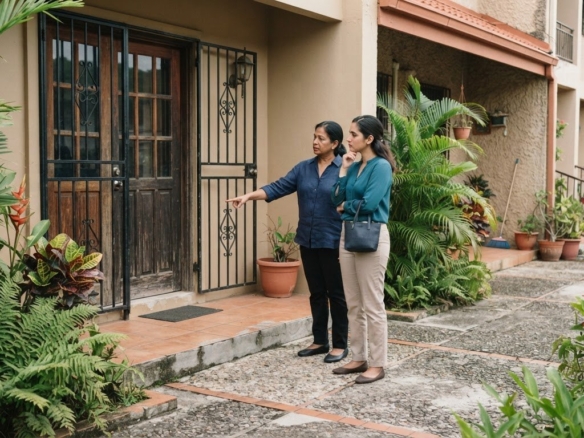
Land size describes the parcel, while building area describes the space within the home. Both matter, but neither tells the full story alone. For example, a large parcel with a narrow building footprint may suit a different buyer than a smaller parcel with a well-arranged home. An inspection records how the land and built space function together, adding context beyond a single area figure.
Shape and practical use matter too. A level, accessible part of a parcel may serve a different purpose from a steep or awkward section. For agricultural land, the intended use can affect how relevant the land area is to a buyer’s plans. A valuation opinion should describe the property being assessed, rather than relying only on its identification or a broad comparison of land sizes.
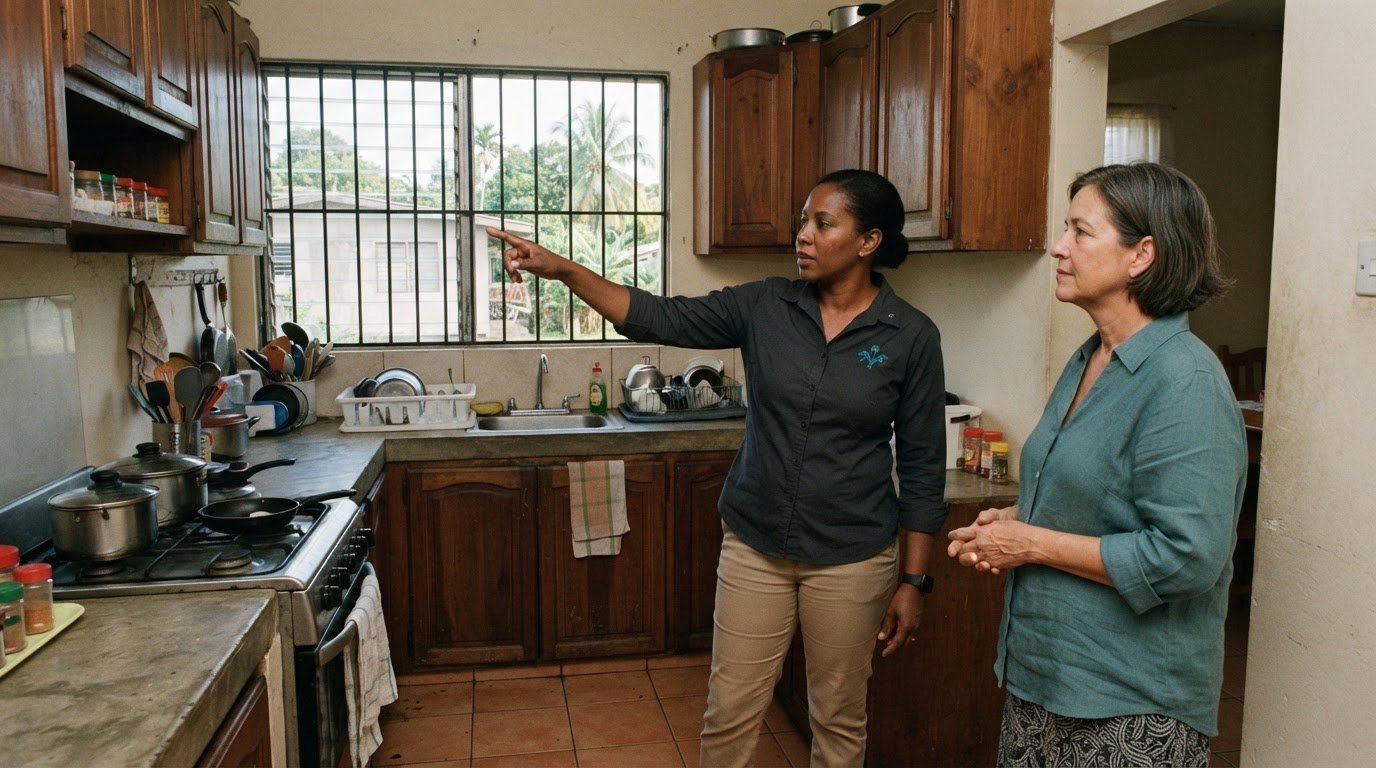
Building area needs context too. Two homes with similar floor areas can feel quite different if one has a usable layout and the other has narrow passageways, disconnected rooms, or space that is difficult to furnish. For example, a kitchen that opens into a dining area may work differently for a household than a closed-off kitchen. A valuation report can explain these features alongside the recorded area.
During an inspection, the professional can note how rooms connect, which spaces serve everyday needs, and whether additions change the home’s function. These observations help determine which comparable properties offer a fair basis for analysis. If a listed area does not match the rooms or parcel seen on site, that difference may need clarification before the opinion is prepared.
Clear property identification and accurate descriptions help keep the estimate tied to the right parcel and building. If you’re gathering details for a discussion about your home, you can share property information to help explain its land, building area, and layout.
What factors affect home values in Trinidad and Tobago?
A home’s condition can change how buyers assess its value. In Trinidad and Tobago, a property needing major refurbishment may attract less interest because buyers must plan for substantial work after purchase. By contrast, renovated kitchens and bathrooms, alongside upgraded roofing, electrical, and plumbing systems, can make a home more appealing. An estimate considers the condition buyers encounter, not only the home’s age or size.
Documentation also affects marketability. Clear ownership, proper approvals, and compliant records help buyers understand what they are purchasing. Missing planning approvals, absent completion certificates, or unclear ownership structures can raise questions and reduce a property’s appeal. These issues matter whether the property is a family home, a mixed-use building, or land intended for future development.
Intended use is another factor. Properties correctly zoned for their planned use can be more appealing because buyers can assess their options with greater confidence. For example, a building intended for commercial activity may be less attractive for that purpose if its zoning does not align. Land or buildings with expansion or redevelopment potential can also draw interest, particularly in growth areas.
Demand conditions influence what buyers are prepared to consider. When borrowing becomes more accessible, property demand typically increases and can support higher values. Larger parcels in established neighbourhoods may also be valuable because suitable land is increasingly scarce. These influences do not replace property-specific analysis; they help explain why buyer interest can shift across different parts of Trinidad and Tobago.
During an estimate, these factors work together. A well-maintained home with clear records and suitable zoning presents a different proposition from a property requiring major repairs or facing documentation concerns. The estimate weighs those differences against current demand and relevant comparable sales. This gives you a clearer view of which features support buyer interest and which may affect the property’s market position.
How Location and Neighborhood Affect Buyer Interest in Trinidad
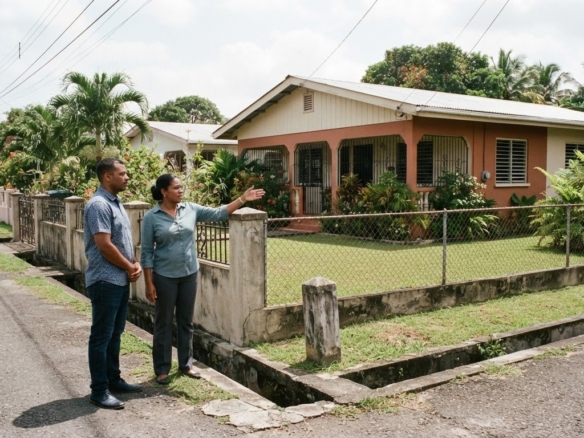
Location shapes who may want a property and how it compares with nearby homes. In Trinidad and Tobago, access to schools, healthcare facilities, workplaces, supermarkets, and major road networks can influence buyer interest. For example, a home close to several everyday services may appeal to different buyers than a similar home with fewer nearby amenities. The estimate considers those differences alongside comparable sales, rather than treating every home in the same district alike.
Demand in a residential area matters too. Limited availability of quality homes in a high-demand area can increase interest from prospective buyers. A useful comparison looks beyond a neighbourhood name: it considers the specific homes available, their condition, and how closely their location matches the property being assessed. Two homes in one community may differ in road access, nearby services, and local demand.
Neighbourhood character can also affect buyer interest. Safe, clean surroundings, a pleasant community feel, and manageable traffic can make an area more appealing. Consider a home near a busy route compared with one on a quieter street: road access may be convenient, while traffic conditions may influence how buyers view the setting. The estimate weighs these practical trade-offs against local market activity.
For a grounded comparison, the professional considers the property’s immediate surroundings and the wider area. They assess nearby amenities, access routes, neighbourhood conditions, and the supply of similar homes. These details help show whether a sale is a close comparison or needs adjustment because its location offers different advantages. A home estimate should reflect the market around the property, not just a broad regional average.
If you’re considering a sale, request a property market opinion to discuss how local demand and neighbourhood features may shape your home’s position.
Cornerstone: Property market opinion
Cornerstone offers a property market opinion when you’re considering a sale, rental, or property management decision. It can help you understand how local sales activity and your property’s features may inform its market position. This is a market opinion, not a licensed property valuation, so keep that distinction in mind when deciding what kind of assessment you need.
If you’re preparing to sell or rent, a market opinion can help guide your next steps and set expectations for your property’s market position. You can discuss your property and plans with Cornerstone without pressure to proceed with a transaction.
If you’d like to talk through your property, contact Cornerstone.
Choose a Clear Next Step for Your Property
Your next decision can start with a clear sense of what matters most to you: timing, likely buyers, or the role the property should play in your plans. Cornerstone’s team brings local real estate experience to these conversations, helping you consider your options without rushing into a decision.
As you decide what comes next, keep your priorities in view and choose a path that fits them. Discuss your property plans with Cornerstone, and take the next step when you’re ready.
Frequently Asked Questions
What do I need to request a Valuation Report?
To request a valuation report, submit the request, deposit, and required property documents. Once these are received, a valuation officer contacts the requester or appointed access person within approximately five working days to arrange an inspection. Have the property details and access arrangements ready for that discussion. The report’s purpose helps determine which documents are required for the request.
What are comparables?
Comparables are property sales used as reference points in an estimate. To understand how they support a conclusion, ask which transactions were considered, when they occurred, and how closely they match the property being assessed. A useful explanation should make clear why particular sales were included and how differences were treated, so you can follow the reasoning behind the estimate.
Why would I need to have my property valued?
You may seek an assessment to inform a decision about selling, renting, or managing your property. For example, an owner considering a sale can use a market opinion to plan how to position the property before listing. If you’re weighing several options, an assessment can give you a clearer basis for discussing your plans and deciding what action suits your circumstances.
How do professionals estimate a home’s market value in Trinidad and Tobago?
A home market value estimate in Trinidad typically begins by establishing the assessment’s purpose and identifying the property. The professional gathers relevant property details, arranges an inspection where needed, reviews market evidence, and explains how that evidence supports the conclusion. You can ask how the chosen evidence relates to your intended decision, such as a possible sale or rental, and what the opinion covers.
How can comparable sales help assess a home’s market value in Trinidad and Tobago?
Comparable sales provide market evidence by showing how similar properties have sold. A home market value estimate in Trinidad should consider the type of home, its location, and the timing of those transactions rather than treating one sale as a countrywide benchmark. Ask which transactions were used and how differences between those properties and your home were considered.
Where can I find comparable home sales in Trinidad and Tobago?
For a property-specific set of comparable sales, request a property market opinion from Cornerstone and discuss the evidence used. You can ask for a clear explanation of the relevant transactions and how they relate to your home and plans. This is especially useful if you’re preparing to sell or rent and want to understand the market context before deciding on your next step.