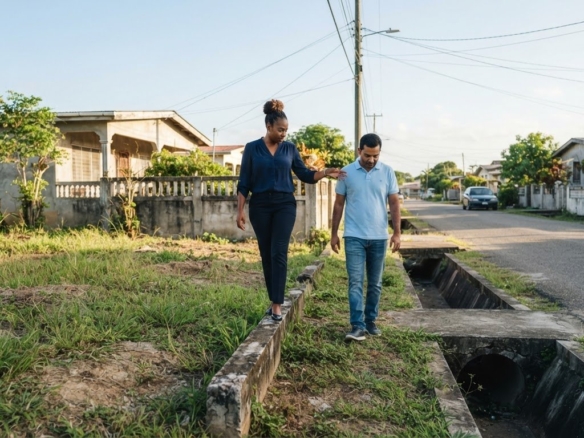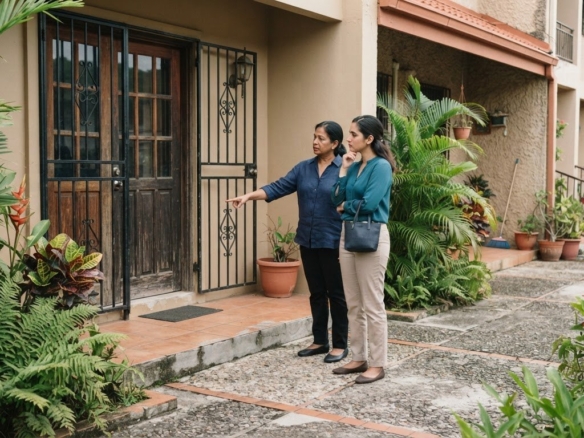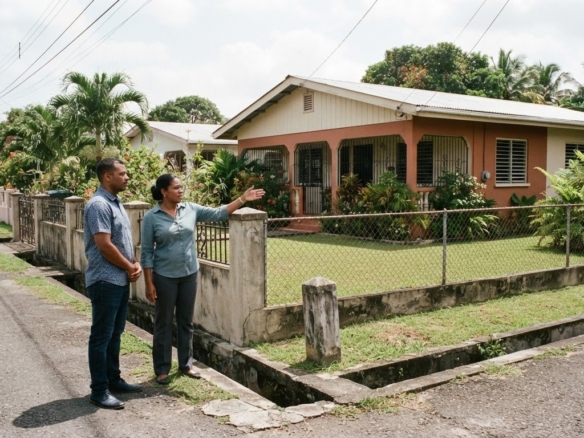

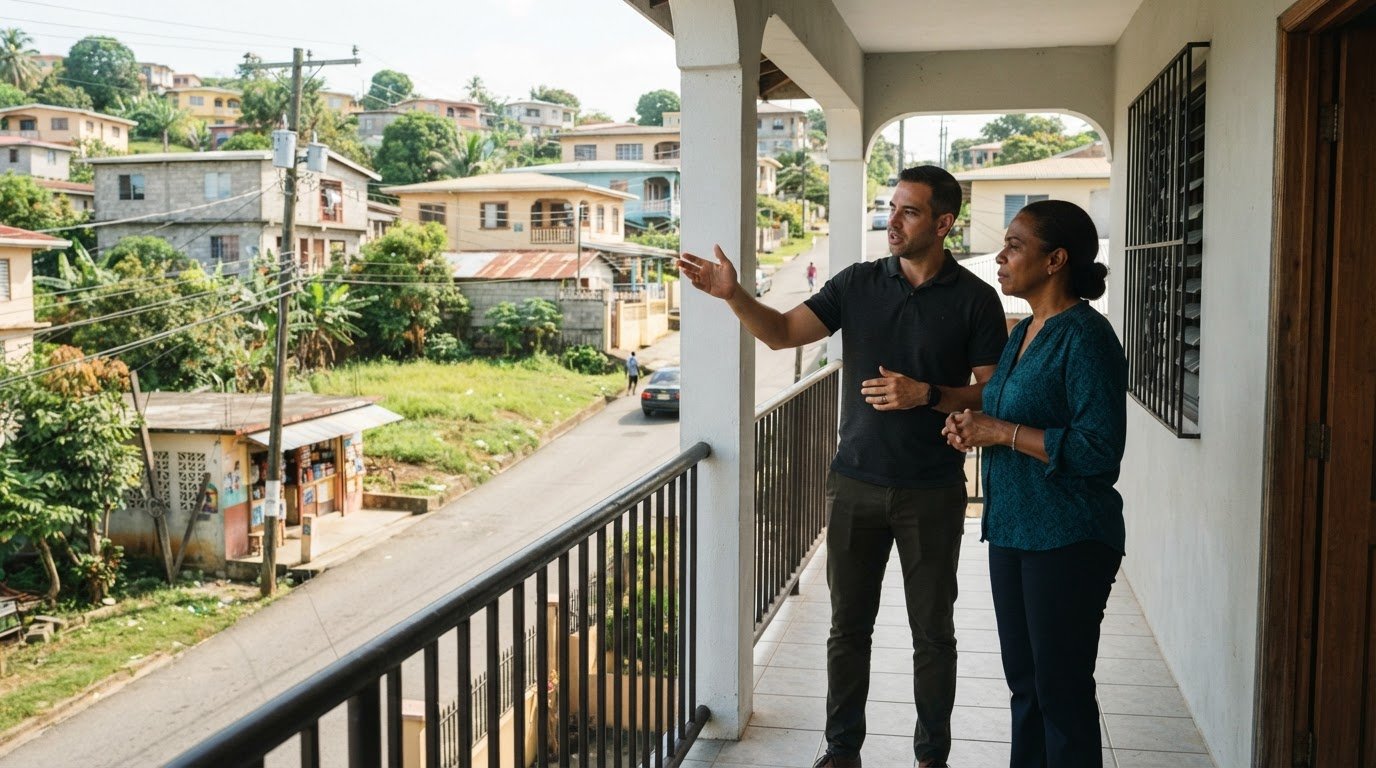
There isn’t one fixed answer to what your house is worth in Trinidad. Its location, size, condition, layout and comparable property sales all influence its market value. Even similar homes can attract different buyer interest depending on their surroundings, so a broad national figure may not reflect what buyers would consider for your property.
You’re right to look beyond the house itself, especially if you’re weighing a sale, rental or investment; commercial property and development land each follow their own market considerations. This guide explains how residential values vary across West, East and Central Trinidad, what can influence a home’s value in your area, and how commercial property and land add to the picture, so you can better understand the factors behind a useful market opinion.
Key Takeaways
- Learn which local property details help make a home-market comparison more useful.
- See how location, size and condition can shape a home’s market value across Trinidad.
- Understand how commercial property and development land add different considerations to the wider property market.
- Find out when sales, rentals, property management or a market opinion may support your next step.
Assessing home values across Trinidad
If you’re asking what your house is worth in Trinidad, begin with comparable homes nearby. Match the property type, then account for differences in size, condition, land and features. West Trinidad includes older apartment buildings and established townhouse developments. East and Central Trinidad include houses in gated communities and family neighbourhoods. A national average may not reflect these local differences. Online listings show sellers’ expectations, not confirmed sale records.
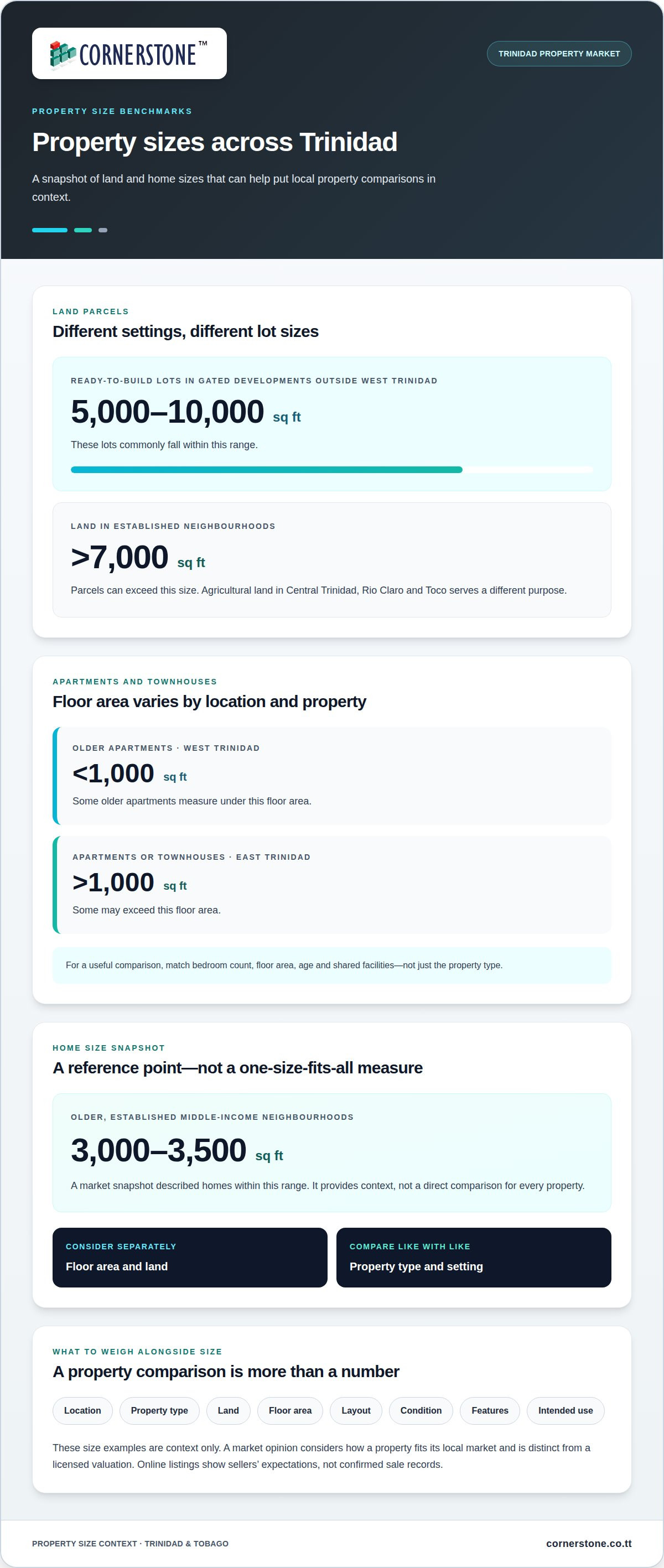
Assess land separately from the home. Ready-to-build lots in gated developments outside West Trinidad commonly span 5,000 to 10,000 square feet. Land in established neighbourhoods can exceed 7,000 square feet, while agricultural land in Central Trinidad, Rio Claro and Toco serves a different purpose. In Port of Spain, San Fernando, Chaguanas and Tobago, compare parcels by location, intended use and access.
For apartments and townhouses, match bedroom count, floor area, age and shared facilities. Older West Trinidad apartments can measure under 1,000 square feet. East Trinidad apartments or townhouses may exceed 1,000 square feet. These examples provide context, but a useful comparison still depends on each property’s features and setting.
Taxes and legal matters can affect a sale’s terms and timing, depending on the property and transaction. To understand what your house may be worth in Trinidad, a real estate professional can compare local listings and consider differences in land, improvements and intended use. A home market value estimate in Trinidad draws on comparable property sales and local market activity. A market opinion considers how a property fits its local market; it is distinct from a licensed valuation.
How to assess a home’s value in your area
To understand what your house is worth in Trinidad, start with properties in the same neighbourhood. A home in Diego Martin may attract different buyer interest from a similar one in Arima. Compare homes of the same type, and note differences in layout, condition, land and useful features. Listing information can help you compare properties, but it does not show what a property ultimately sells for.
Then narrow your examples. For a house in Chaguanas, look at nearby houses rather than apartments or commercial properties. Compare bedroom count, parking, outdoor space and the general state of the building. A renovated kitchen or a smaller lot can make two otherwise similar listings less comparable, so record those differences instead of treating the examples as equal.
Consider the setting within each area. In Port of Spain, access to workplaces, transport and services may shape buyer interest. In San Fernando, nearby amenities and the surrounding neighbourhood also help distinguish one property from another. In Tobago, compare homes within similar communities and settings. The same approach applies across East and Central Trinidad, where local surroundings can vary between nearby districts.
Keep a simple record of each example’s location, property type, bedrooms, land, floor area, condition and listing date. Set aside listings that differ sharply, such as a townhouse compared with a detached home. A real estate professional can weigh the closest examples against your property’s features and local demand. This gives you a more grounded way to consider what your house is worth in Trinidad than relying on one listing or a broad national figure.
How location, size, and condition affect a home valuation
Location shapes the group of buyers likely to consider a home. In Trinidad, access to schools, transport, workplaces, shops and main roads can distinguish nearby neighbourhoods. A house in an established area of San Fernando may attract different interest from a similar home in a quieter community. Local surroundings, road access and nearby services help explain why homes with similar layouts can have different market appeal.
Size matters, but floor area and land should be considered separately. A market snapshot of older, established middle-income neighbourhoods described homes measuring 3,000 to 3,500 square feet. That range gives context, not a direct comparison for every property. A professional also considers the layout, usable rooms, parking, outdoor space and how the home’s features suit local buyers.
Condition affects how a home compares with nearby examples. A sound roof, working fixtures and well-kept rooms can make a property more appealing than a similar home needing attention. Recent upgrades may matter, but their value depends on workmanship, usefulness and buyer preferences. For instance, an updated kitchen in an Arima home may influence its appeal differently from extra outdoor space in another neighbourhood.
To build a fair assessment, weigh the factors together. First, match the property with nearby homes of the same type. Next, note differences in land, floor area, layout and condition. Then consider whether location features, such as access to services or a busy road, affect buyer interest. This keeps the comparison grounded in the home itself. A large house in a less convenient setting may not appeal to the same buyers as a smaller, well-maintained home near everyday services.
Getting help with a property sale, rental, or management
If you’re preparing to sell, professional support can help shape the process around your property and preferred timing. A real estate professional can review its features, consider local buyer interest and help present it through property marketing. They can also coordinate enquiries, arrange viewings and support communication as offers are considered. This can be useful if you’re managing a sale alongside work, family responsibilities or a move.
For a rental, assistance can help you prepare a listing, respond to prospective tenants and organise viewings. Tenant screening can include background and suitability checks, helping owners consider applicants against the property and tenancy requirements. This support may suit you if the home is vacant, you live elsewhere or you want a clearer process for handling enquiries. The right approach depends on the property and your plans.
Property management can help when regular responsibilities become difficult to handle yourself. These may include coordinating tenant communication, keeping track of property matters and managing the day-to-day relationship between owner and tenant. It can be useful if you have several responsibilities, live away from the property or prefer an organised point of contact. Agreeing on expectations and communication early helps keep the arrangement clear.
Consider what you need before choosing support: a sale, a tenant or ongoing management. If you’re selling, clarify the property details and your preferred timing. For a rental, identify the type of tenancy and the property’s key features. For management, outline the tasks you want handled and how you prefer updates. A professional can then focus on those needs, while you remain involved in decisions that matter to you.
How Cornerstone can help
Cornerstone can help connect your home’s market context with the next step you have in mind. Its property market opinion offers guidance on how a property may fit the local market. This can help you consider a possible sale or rental without presenting the opinion as a licensed valuation. Share the property’s location, type and relevant features so the discussion can focus on your circumstances and priorities.
If you’re considering a sale, Cornerstone’s property sales service can help you explore that route. If renting better suits your plans, its property rentals service can help you consider that option instead. Each serves a different purpose, so your timing, priorities and plans for the property can guide the conversation. Discuss what matters most before deciding on a direction.
Owners who want ongoing support can also consider Cornerstone’s property management service. This may suit you if you’d like help with the responsibilities involved in managing a property and its tenancy. The right fit depends on what you want handled and how involved you’d like to remain. Clear communication about your needs helps keep the discussion focused.
Cornerstone is a family-run real estate company that has been in business since 2004. Its property work includes sales, rentals, market opinions and management in Trinidad and Tobago. You can discuss your property and intended next step without pressure to make an immediate decision. The conversation can start with what matters to you.
If you’d like to talk through your property plans, contact Cornerstone at a pace that feels right for you.
Frequently Asked Questions
How can I assess a home’s value in Trinidad and Tobago in 2026?
A national average alone won’t tell you what a specific home is worth in 2026. It can combine different property types, locations, sizes and conditions, making it a poor guide for an individual sale. For a more useful picture, focus on comparable homes in the same local market and consider how their features differ from yours.
What recent house sales can a real estate professional use as comparable properties in Trinidad?
A real estate professional can look for completed sales of homes with similar property types, locations and features. For example, a detached house is more useful to compare with another detached house than with an apartment. The professional also considers differences in land, layout, condition and sale timing. These details help show which transactions offer a meaningful comparison, rather than relying on asking prices alone.
What documents and property details are needed for a house valuation in Trinidad?
Share the property’s location, type, bedrooms, land and floor area, layout, condition and relevant features. No specific documents are identified.