






You can sell property without a real estate agent in Trinidad and Tobago, but you’ll be responsible for marketing it, responding to buyers and coordinating the sale. A real estate attorney can guide you through the legal steps and paperwork.
Selling privately gives you direct control over decisions, but also makes you responsible for keeping the process organized. Consider how much time you can commit and where you may need professional guidance.
This guide explains the responsibilities of a private sale, how to reach buyers and how an attorney can help you understand the transaction. It also covers how Cornerstone’s property services may fit your plans.
Key Takeaways
- Use comparable properties and buyer search habits to guide your listing strategy.
- Decide whether you can manage enquiries, viewings, negotiations, and sale paperwork yourself.
- Plan how you’ll market the property and coordinate each stage of the sale.
- Ask a real estate attorney to explain offers, disclosures, and transaction documents.
Avoiding emotional pricing and choosing a search-friendly listing price
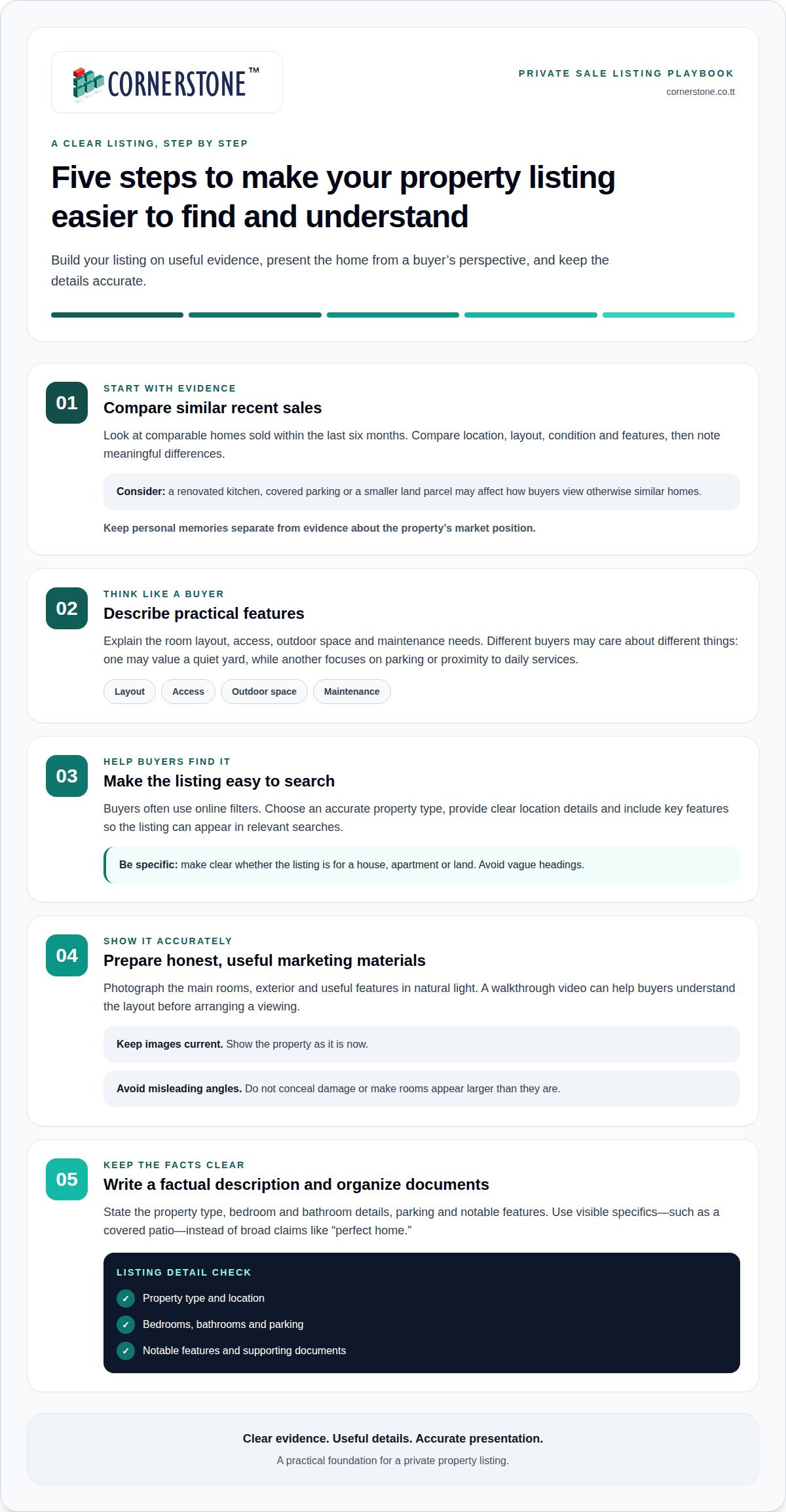
- Use recent comparable sales to understand how buyers respond to similar properties. Compare homes by location, layout, condition and features, then note meaningful differences. A renovated kitchen, covered parking or smaller land parcel can affect how buyers view otherwise similar homes. Keep your personal memories of the property separate from evidence about its market position.
- Describe the property from a buyer’s perspective. List practical features such as room layout, access, outdoor space and maintenance needs. One buyer may value a quiet yard, while another may focus on parking or proximity to daily services. Specific details help explain what makes the home distinctive without relying on personal attachment or broad claims.
- Make the listing easy to find and understand. Buyers often use online filters, so consider how your property will appear in relevant searches. Choose an accurate property type, provide clear location details and include the key features. Avoid vague headings that do not make clear whether the listing is for a house, apartment or land.
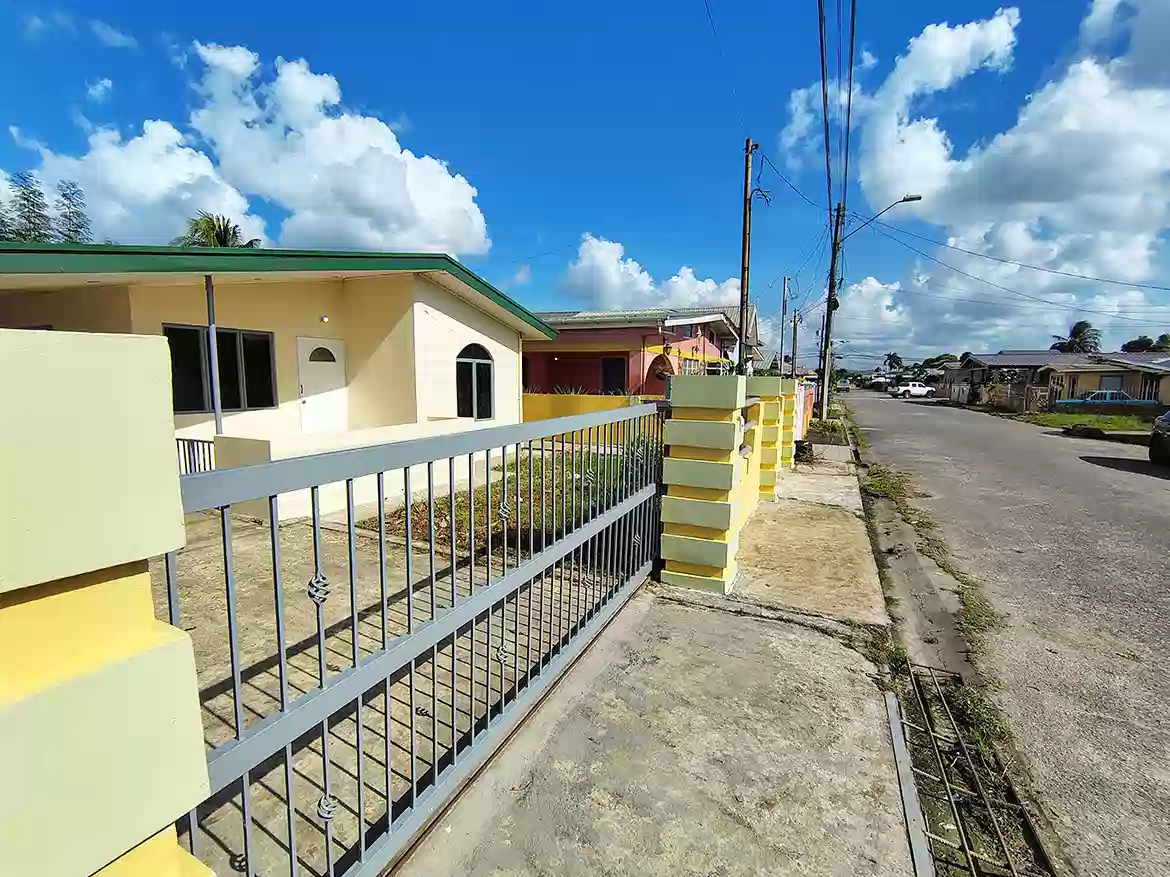
- Prepare marketing materials that represent the property accurately. Photograph the main rooms, exterior and useful features in natural light. A walkthrough video can help buyers understand the layout before arranging a viewing. Keep images current, and avoid angles that conceal damage or make rooms appear larger than they are.
- Write a factual description and keep supporting documents organized. State the property type, bedroom and bathroom details, parking, and notable features. Avoid claims such as “perfect home”; describe visible details, such as a covered patio. According to the U.S. Environmental Protection Agency, federal lead-based paint disclosure rules apply to homes built before 1978. This is a U.S. rule, not a Trinidad and Tobago requirement.
Compare similar homes sold within the last six months. A listing at $405,000 may miss buyers using a $399,000 search limit, even when the difference is small.
A quoted real estate agent says that 99% of family and friend buyers lose interest when told the home’s price, so setting a defensible figure early can help keep conversations grounded.
Can you sell a house without a real estate agent?
Yes, you can sell property without a real estate agent, but you’ll manage the sale yourself. Before deciding, weigh the workload, responsibilities and support you may need in Trinidad and Tobago.
Assess FSBO Suitability and Risks
Decide whether you can make time for buyer enquiries, viewings and follow-up. A private sale may suit you if you can keep communications and offers organized. Consider potential complications, such as an asking price that misses the market, overlooked disclosures or unclear terms. Be ready to answer buyers’ detailed questions accurately and keep relevant information on hand.
Compare Benefits, Drawbacks, and Costs
Selling property without a real estate agent gives you direct control over conversations and decisions. You may avoid a listing commission, but you’ll take on marketing, viewings and negotiations. Factor in your time and direct sale expenses, such as advertising or preparing the property. This approach may suit an experienced owner, but can be demanding if you need help coordinating each stage.
Review Legal Fees and Taxes
Ask a Trinidad and Tobago attorney to explain the legal work and transaction obligations for your property. Documents and costs depend on factors such as ownership records, the agreement and the work needed to complete the sale. There is no single figure that applies to every private transaction. Include legal and tax questions in your planning before accepting an offer, and have the agreement reviewed before signing.
Plan the Private Sale Steps
Prepare accurate property information, advertise the listing and respond to enquiries. Arrange viewings, consider offers and record proposed terms in writing. Before accepting, understand the buyer’s conditions and any mortgage-related timing. Have an attorney review the agreement and explain the documents involved. Keep a written record of outstanding tasks and communications so you can follow each stage through completion.
Commission fees and potential sale-price differences
Compare the proceeds after expenses, not just the commission. Your net proceeds depend on the accepted offer and the costs you take on to sell.
- Estimate your net proceeds before choosing how to sell. Start with a realistic expected sale price, then account for commission, legal work, marketing, preparation and other transaction expenses. Compare this with a private-sale estimate that includes the costs you would pay directly. Looking at the full calculation helps you decide whether avoiding a listing commission makes financial sense.
- Consider how representation may affect the final offer. An agent can support pricing, buyer communication and negotiation, while selling privately gives you direct control. Neither approach determines the sale price on its own. Compare similar completed sales and assess each offer’s conditions, financing and timing instead of assuming a lower commission means higher proceeds.
- Prepare the home for photos and viewings. Clear counters, tidy rooms, open curtains and put away personal items so buyers can focus on the property. Take photos in good natural light and show important features accurately. Staging can be simple: arrange furniture to make room sizes and walkways clear. Avoid images that hide defects or suggest the home has features it lacks.
- Decide how widely to market the property. A listing shared with a limited audience may reach fewer buyers than broad advertising. Consider which platforms can carry your listing and how buyers will arrange viewings. Keep a record of enquiries, viewing feedback and offers. This can help you identify recurring concerns about access, condition or the asking price.
- Plan the closing process around the buyer’s financing and required documents. A financed purchase involves lender steps, while a cash offer follows a different process. The agreement sets key conditions and dates. An iBuyer-style offer may include deductions for repairs, service charges or closing expenses. Compare its net amount and proposed schedule with other offers rather than judging by the headline figure alone.
Using a real estate attorney
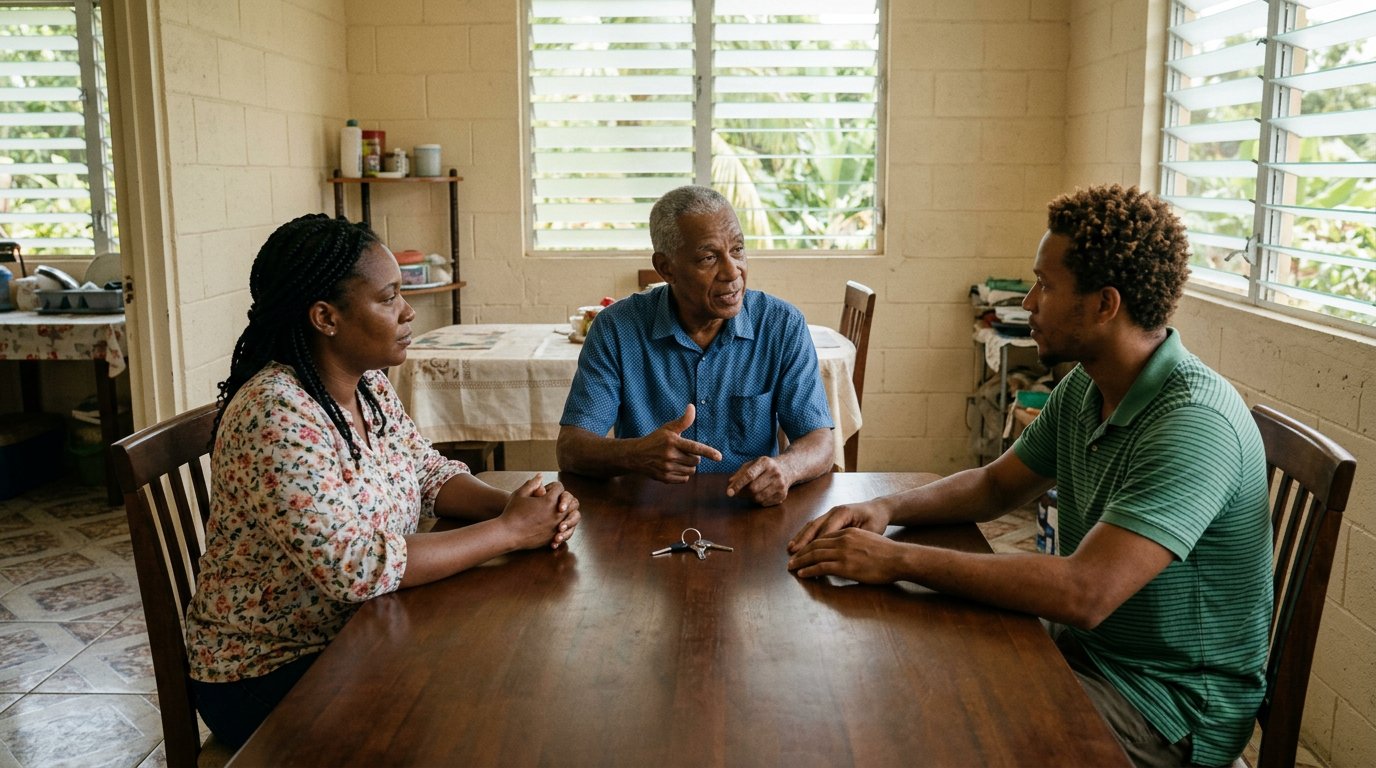
- Bring an attorney into the process before accepting an offer. A real estate attorney can help you understand the proposed agreement, conditions and documents. Ask what each clause means for your responsibilities, especially deadlines, included fixtures and what happens if either party cannot complete a required step. This helps you understand the commitment before signing.
- Ask for legal guidance on the property’s disclosures and title documents. Share the records you have, including ownership information and documents about changes or known issues. An attorney can explain what needs attention in your situation and flag inconsistencies that could complicate the sale. Keep copies of the documents and written advice together for reference during negotiations.
- Separate legal advice from pricing guidance. An attorney can explain the legal effect of an asking price or offer, while comparable sales provide evidence about the market. For example, a home near a busy road may attract different offers from a similar home on a quiet street. Use market evidence to set expectations, then ask the attorney about the terms attached to each offer.
- Plan the closing steps with your attorney. Confirm which documents need signatures, who must provide them, and how the agreement sets dates and conditions. Keep a written list of outstanding items, such as buyer financing conditions or records needed to complete the sale. An attorney’s review can help you understand how these items affect the transaction, but you remain responsible for answering buyers and deciding which offer to accept.
For a private sale, ask an attorney to explain the documents and obligations before signing, rather than waiting until closing is near. Use that advice alongside local market evidence when setting your asking price and considering an offer. If you’re still weighing your sale plans, review your property options.
Cornerstone
Cornerstone can help you consider your next move if managing a private sale feels like more work than you want to take on. Its property sales support can help you navigate the selling process, while a property market opinion can offer a starting point for thinking about your asking price. This is a market opinion, not a licensed valuation or legal advice, so an attorney remains the right person for questions about agreements and conveyancing.
If your plans change, Cornerstone also assists with property rentals and property management. Discuss what you want to achieve and consider which direction suits your property. Contact Cornerstone to talk through your plans.
Choose the next step that fits your plans
Deciding whether to sell property without a real estate agent also means deciding how to manage your time, communications and sale. Before proceeding, consider what support would make the process easier and which responsibilities you are comfortable handling yourself. Your plans may change, so allow for a different approach if selling no longer feels right.
Cornerstone can discuss your property plans and explain how its property sales, property rentals and property management services may fit. This can help you consider your options without assuming that one approach suits every owner.
When you’re ready to discuss what comes next, contact Cornerstone for guidance. Take the next step at a pace that feels right for you.
Frequently Asked Questions
Do I Need a Realtor to Sell My Home, Or Can I Handle It Alone?
You can handle buyer enquiries, viewings and offer discussions yourself while getting legal help with sale documents. A private sale may suit owners who can manage follow-up and keep clear records. For example, write down each buyer’s questions and offer terms. If coordinating viewings or reviewing offers feels difficult, Cornerstone’s property sales assistance can help with the selling process.
What documents are required for a private property sale in Trinidad and Tobago?
The documents depend on the property and transaction, so ask a Trinidad and Tobago attorney what your sale requires. Gather ownership records, any plans or surveys you have, prior agreements and details of changes made to the property. These can help the attorney understand the file. Keep buyer offers and agreed terms together, and do not treat this example list as a complete legal checklist.
What are the risks of selling property without a real estate agent?
The main risks are misjudging the asking price, missing suitable buyers and overlooking important details during negotiations or paperwork. You’ll also handle enquiries, viewings and follow-up yourself. A verbal conversation, for example, can leave uncertainty about what a buyer offered or requested. Document communications and terms, and involve an attorney when reviewing sale documents or interpreting conditions.
How much can you save by selling a property without an agent in Trinidad and Tobago?
You may save the listing commission, but the amount is not fixed. Your net savings depend on the accepted offer and the costs you still pay, such as marketing, property preparation and legal work.