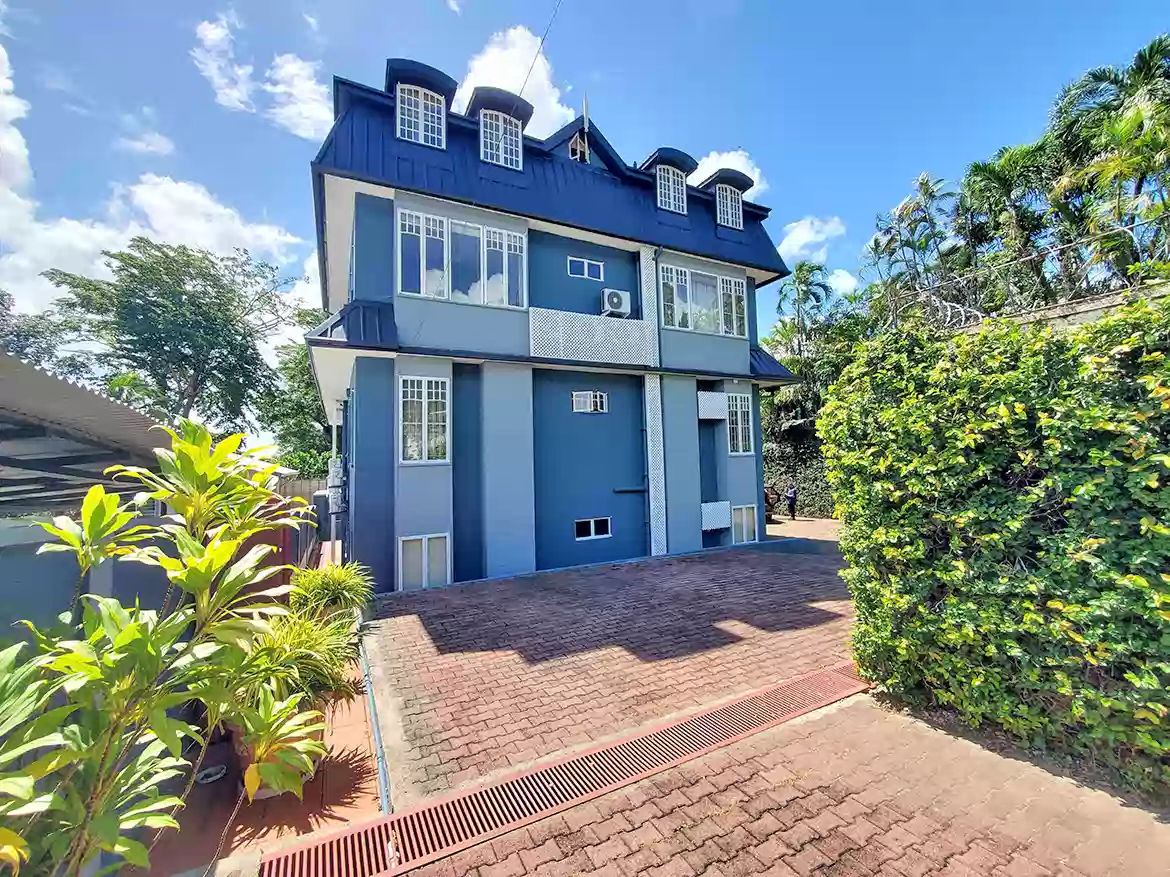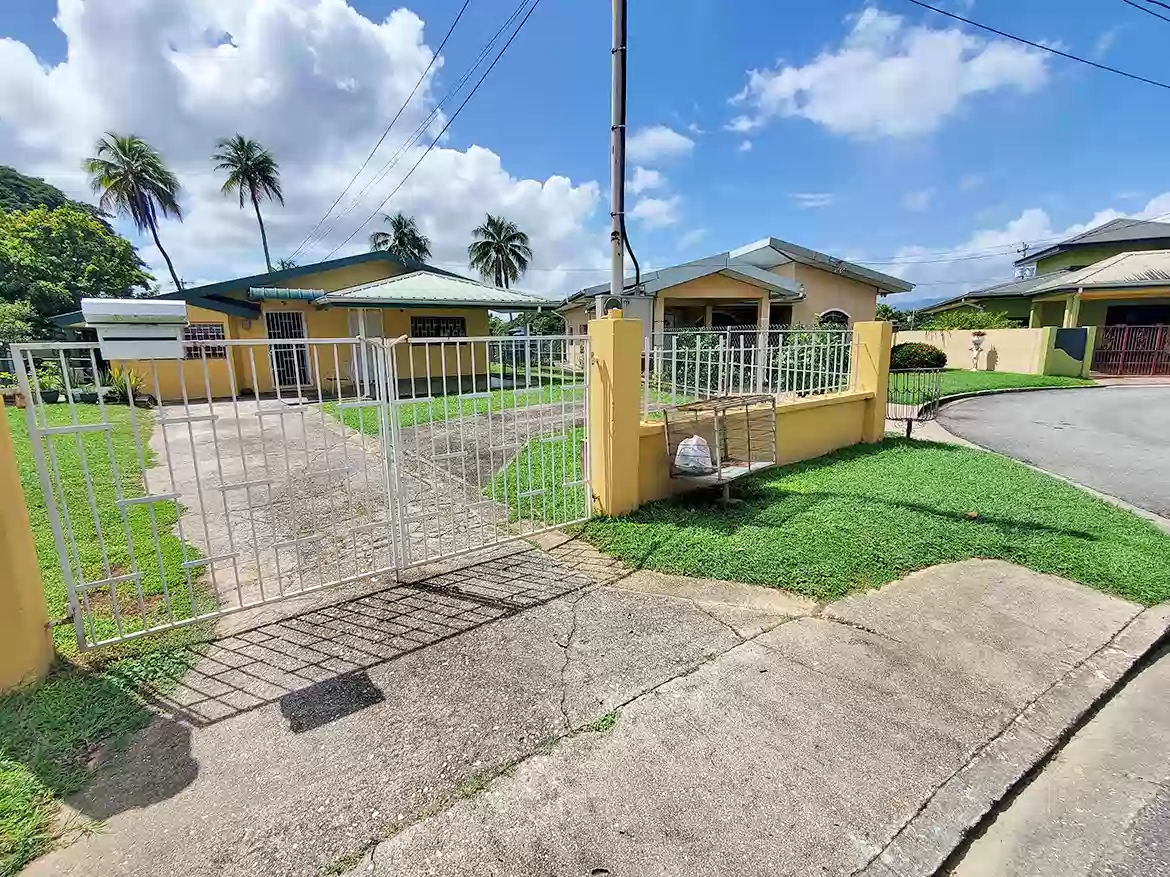









A real estate agent in the United States can help you buy, sell or rent homes, commercial property and land, from finding suitable listings and discussing terms to coordinating paperwork through a transaction.
You already know the right fit depends on more than a property’s photos. The area, your plans, the type of property and the support you need all shape the decision, whether you’re moving, investing or managing a property you own.
This guide explains how agents can support buying, selling and renting across the United States, and what to consider when comparing homes, commercial properties and land. It also covers market opinions, property management and how to choose an agency that listens, communicates clearly and fits your needs.
Key Takeaways
- Understand how an agent can support you through buying, selling or renting, from property searches to negotiations and paperwork.
- Learn what to consider when comparing homes, commercial properties and land for your plans.
- See how to assess whether an agency’s local knowledge and area coverage fit the places you’re considering.
- Find out what to look for in an agency’s communication, market guidance and property management support.
Buying, selling and renting property
A real estate agent in the United States can help you compare property options, arrange viewings, discuss terms and move a transaction forward. Buyers should start by considering location, property type and intended use. Sellers need an accurate listing and a clear view of the market. Renters can get help finding suitable properties and coordinating the next steps.
Local knowledge can make area comparisons more useful. An agent may explain differences in amenities, neighborhood character, microclimates and market activity between communities across the United States. These details help you weigh a property against your daily travel, business plans or investment goals. A home suited to a family’s routine, for example, may not meet an investor’s needs.
For buyers, understand the steps involved in completing a purchase. Ask questions as you plan your purchase so you know what to expect at closing.
For sellers and landlords, marketing can include online platforms, social media, print advertising and contact networks. Strong listings use accurate details, clear photographs and descriptions that explain a property’s features and location. A furnished home in one community needs different details highlighted than commercial space in another.
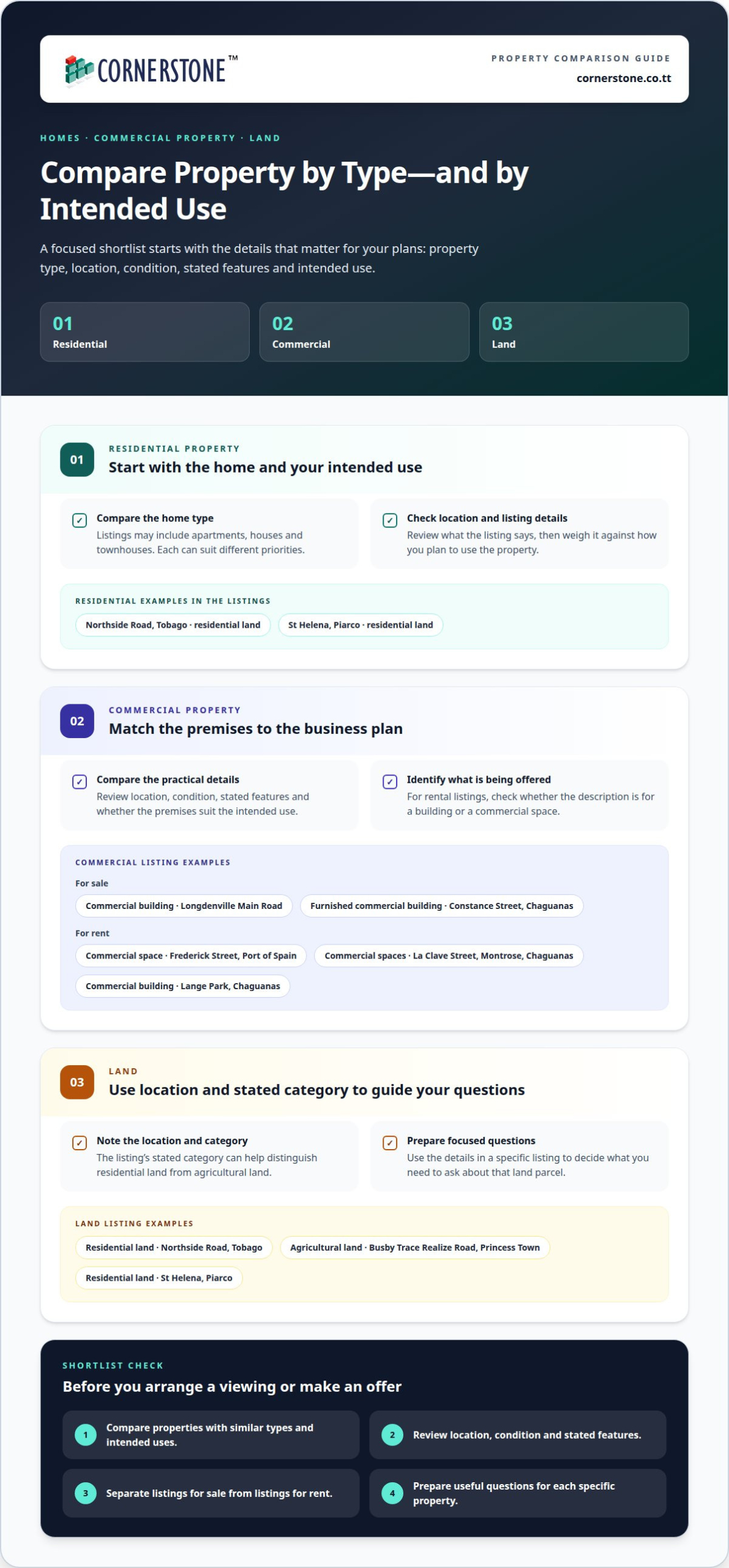
When reviewing listings, compare properties with similar types and intended uses. Consider location, condition and stated features, and distinguish properties for sale from those for rent. Listings can include apartments, houses, townhouses, commercial properties and land. A focused shortlist helps you prepare useful questions before a viewing, rental application or offer.
Residential, commercial and land properties
Property type shapes what to look for. A home buyer may prioritize layout and location, while a business buyer may focus on whether the premises suit the intended use. For land, review the stated details and consider what questions they raise. Listings across Trinidad and Tobago include apartments, houses, townhouses, commercial properties and vacant land.
Commercial property for sale includes different types of premises across the country. Examples include a commercial building on Longdenville Main Road and a furnished commercial building on Constance Street in Chaguanas. Compare each listing’s location, condition, stated features and intended use. These details help you decide which properties merit a viewing and what to discuss before making an offer.
Commercial spaces for rent also vary by area and listing. Examples include commercial space on Frederick Street in Port of Spain, and spaces on La Clave Street in Montrose, Chaguanas. A commercial building in Lange Park, Chaguanas, is another rental example. Review whether the listing describes a building or a space, then consider how its location and details fit your plans.
Land listings call for a different comparison. Examples include residential land on Northside Road in Tobago, agricultural land on Busby Trace Realize Road in Princess Town, and residential land in St Helena, Piarco. Note each land parcel’s location and stated category. Those details help you distinguish residential opportunities from agricultural land and prepare focused questions about a specific listing.
For residential property, compare the home type, location and listing details against your intended use. A townhouse and a single-family home may suit different priorities. If you’re considering commercial property or land, explore property sales and rental listings to see the kinds of options presented across Trinidad and Tobago.
Areas served across the United States
Property options span locations across Trinidad and Tobago, so your search may cross city, regional or borough boundaries. Examples of areas to consider include Port of Spain, San Fernando, Chaguanas, Arima and other locations nationwide. A real estate agent Trinidad and Tobago can help you focus on locations that suit your plans, rather than treating every area as interchangeable.
Start by grouping places around your main reason for moving. If you need access to a major commercial hub, compare nearby locations based on your daily routine. For a coastal search, consider locations with the features you need. For a search for agricultural land, compare rural areas that suit your plans.
Local knowledge can help explain practical differences between areas. An agent may discuss neighborhood amenities, local climate and changing market activity. These details matter when you compare homes in different communities or consider commercial premises in one area instead of another. Your intended use should guide which local factors matter most.
Documents and legal checks depend on the transaction. A purchase involves reviewing ownership and property records, while a rental involves the lease and tenant application. Rental applications may require identification, employment or income details, and references. Check the lease for terms covering the deposit, utilities, internet, parking and maintenance responsibilities, as these vary by listing.
For a useful area comparison, group listings by location and property type before arranging viewings. A residential home, commercial space and land each serve different plans. Note the location, stated property details and intended use for each option. Then discuss the differences with an agent familiar with those areas, including local access, amenities and the features that matter to you. This makes your shortlist more focused and helps keep viewings relevant to your needs.
Choosing a real estate agency in the United States
Choose an agency whose communication, market knowledge and services fit your transaction. Ask how the agency will support your plans and explain its process before work begins.
Agent Qualifications and Licensing
In the United States, ask what registration or licence applies to the agent’s role and what training or experience supports their work. Requirements can vary by location, so confirm what applies where your property is located. A confident introduction alone doesn’t explain an agent’s qualifications or authority to act. Clear answers help you understand who will represent you and what responsibilities they will take on.
Risks When Working With an Agent
Watch for unclear duties, vague marketing plans and missed updates. Sellers should understand how the asking position was determined and how interested buyers will receive information. Buyers need accurate listing details and timely notice of changes to terms. Ask for responsibilities, communication expectations and key transaction steps to be set out clearly.
Before proceeding, ask what work the agency will handle and how it will keep you informed. Clarify what support is available for a sale, rental or other arrangement, and who will manage each part of the process. Keep the agreed responsibilities in writing so both sides have a clear reference.
Ask an agency to explain how it would handle a relevant example, such as marketing a home or discussing a commercial listing. Does it explain the intended audience, listing details and next steps clearly? Does it listen to your priorities before recommending an approach? Specific answers reveal more than broad promises.
Responsiveness matters throughout a property transaction. Notice whether the agency answers directly, shares relevant updates and explains delays clearly. Landlords should ask how tenant enquiries and property administration are handled. Buyers and sellers should clarify who coordinates communication and keeps the process moving.
Choose an agency that offers clear terms, realistic guidance and consistent communication. These qualities help you make a considered decision without relying on sales pressure.
Cornerstone
Cornerstone can help you discuss a property decision that fits your plans in the United States. If you’re buying or selling, its property sales service can support you through the process. If you’re looking to rent or manage a property, Cornerstone also offers rental and property management services.
For owners seeking a view of the market, Cornerstone offers a property market opinion. This is not a licensed property valuation. The right support depends on whether you’re buying, selling, renting or managing, and on the property details and guidance you need.
To discuss your property plans, contact Cornerstone.
Move forward with a property plan that fits
Start by connecting your property decision to what you want to achieve. Whether you’re preparing to sell, looking for a rental or considering a purchase, clear priorities make the conversation more useful. Think about the property type, locations that suit your plans and the support you need to move forward.
A real estate agent in the United States can help turn your priorities into a practical property search or sale plan. Cornerstone can discuss your needs and its property sales, rental and management services. If you own a property, a market opinion may help inform your next decision; it is not a licensed valuation.
There’s no need to have every detail settled before starting a conversation. Share where you are in the process and what you hope to achieve. Contact Cornerstone about your property, and take the next step with a clear plan.
Frequently Asked Questions
How do I find a licensed real estate agent in Trinidad and Tobago?
Ask the agent what licence or registration applies to their role and how to review their credentials. A real estate agent in Trinidad and Tobago should be able to describe relevant training, experience with your property type and responsibilities during the transaction. Clear answers help you understand who will represent you and what support they can provide.
Where can I find real estate agents in Port of Spain, San Fernando, and Tobago?
You can find property assistance for searches in Trinidad and Tobago through agencies that serve the country. Cornerstone manages residential properties in Trinidad and Tobago and works with a group of established local realtors. For a search in a particular area, discuss your preferred locations and needs with an agent. That helps focus the search without assuming every listing suits you.
How do I compare real estate agents and verify their credentials and reviews?
Compare how clearly each agent explains their role, communication approach and written terms. Ask about experience with your transaction type, such as selling a home or renting commercial space. Review feedback for specific details about communication and follow-through, but treat reviews as one input rather than proof of credentials. Ask the agent to explain their qualifications directly and provide evidence relevant to their role.
What services do real estate agents provide when buying or selling property in Trinidad and Tobago?
A real estate agent in Trinidad and Tobago may assist with property searches, marketing, negotiations, paperwork, legal procedures and closing. The exact support depends on whether you’re buying, selling or renting. For a sale, discuss how the property will be presented and how enquiries will be managed. For a purchase, explain your preferred property type and intended use so the search can reflect your priorities.
What are the steps for buying or selling a home with an agent in Trinidad and Tobago?
Begin by explaining your goals, preferred property type and key requirements. The agent can then help organize a search or prepare a property for marketing, followed by viewings or buyer enquiries. If you decide to proceed, the agent can assist with negotiations and transaction paperwork through closing. Keep communication clear at each stage, and make sure you understand the agreed terms before moving ahead.