
Common rental property management mistakes often start when a landlord treats a repair report as something to deal with later instead of acknowledging it, assessing the issue and following through. A delayed response can leave a tenant unsure what happens next and allow a small maintenance concern to become a bigger disruption.
When you’re balancing rent, tenant questions and property upkeep, follow-up can easily slip. This guide explains how missed maintenance, unclear updates and slow decisions can strain tenant communication, then outlines what to consider when choosing between help finding tenants and ongoing property management for your rental in Trinidad and Tobago.
Key Takeaways
- Acknowledge maintenance reports promptly, assess the issue, and keep tenants updated on the next steps.
- Use clear, professional communication to reduce misunderstandings and address concerns before they grow.
- Understand whether a leasing-only arrangement ends after a tenant signs or includes ongoing management.
- Choose the level of support that fits your time and responsibilities, including help with tenant placement or day-to-day property management.
How professional property managers respond promptly to maintenance and repair issues
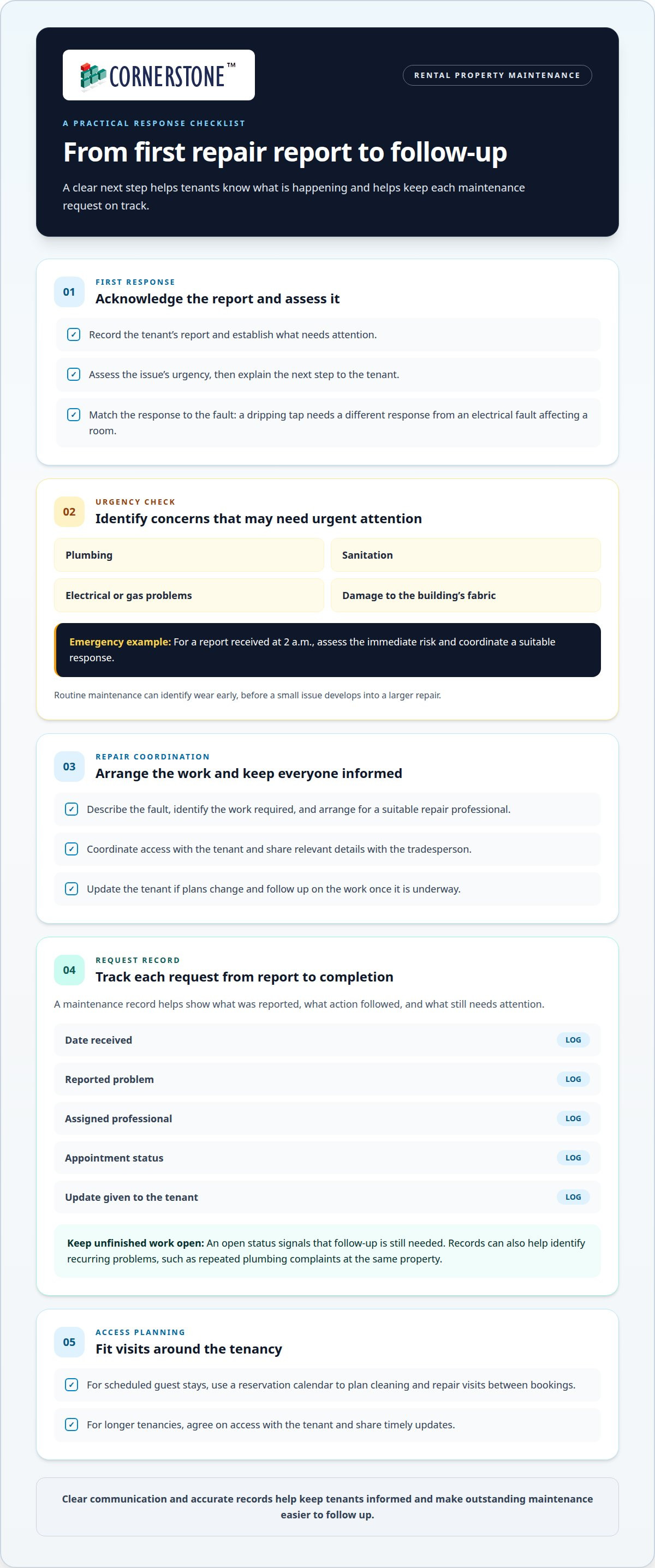
A maintenance report needs a clear next step, not a place in an unread inbox. One rental property management mistake that can strain a tenancy is leaving a minor leak or faulty electrical fitting without assessment. Routine maintenance can identify wear early, before a small issue develops into a larger repair. A manager can record the tenant’s report, assess its urgency and arrange an appropriate response.
How do property managers respond to complaints, emergencies, and tenant requests? They acknowledge the tenant’s concern, establish what needs attention, and explain what happens next. For an emergency reported at 2 a.m., the manager needs a way to assess the immediate risk and coordinate a suitable response. Plumbing, sanitation, electrical or gas problems, and damage to the building’s fabric can all need urgent attention.
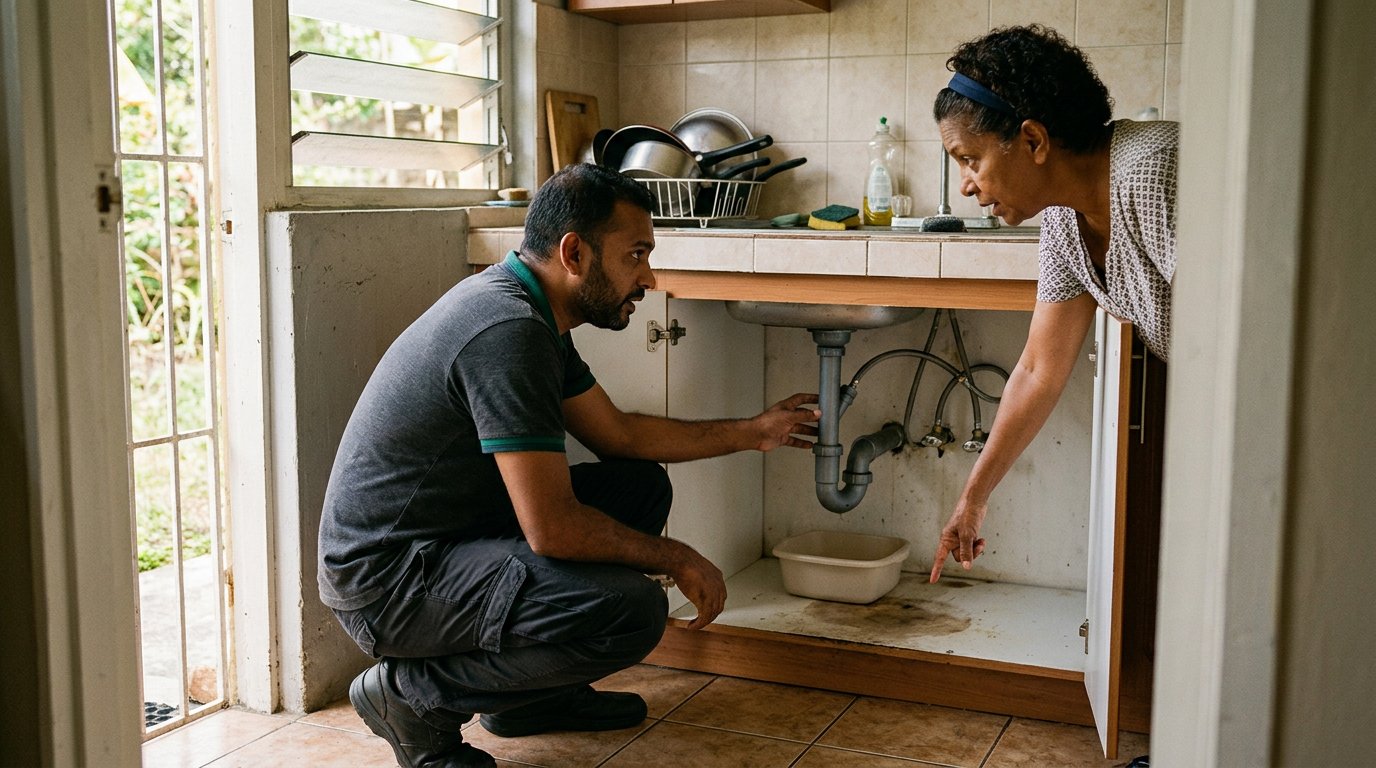
For repairs, a manager can describe the fault, identify the work required and arrange for a suitable repair professional to attend. A dripping tap, for example, calls for a different response from an electrical fault affecting a room. Once work is underway, the manager can coordinate access with the tenant, share relevant details with the tradesperson and follow up on completion. This keeps the tenant informed and clarifies who is responsible for each step.
A maintenance record helps property managers track each request from report to completion. It can note the date received, the reported problem, the assigned professional, the appointment status and any update given to the tenant. If a repair remains unfinished, its open status signals the need for follow-up. Clear records also help managers spot recurring problems, such as repeated plumbing complaints at the same property.
Housekeeping and maintenance need coordination when a rental has scheduled guest stays. A reservation calendar can help managers plan cleaning and repair visits between bookings rather than interrupt an occupied stay. For longer tenancies, the manager can agree on access with the tenant and maintain a professional relationship through timely updates. This helps owners oversee repairs and related expenses without leaving tenants uncertain.
How property managers handle landlord-tenant communication
Clear communication gives landlords and tenants a shared record of what was agreed. A manager can acknowledge a complaint, record the issue, explain the next step and update the tenant if plans change. For example, if a tenant reports a late rent payment, a prompt, respectful message can clarify the amount due and the expected follow-up. Unanswered messages can turn a manageable concern into a dispute.
How can property managers screen tenants properly and help landlords avoid fair housing violations? They can apply consistent, written screening criteria to every applicant, review rental history and references, and assess income and credit information against those criteria. Consistent steps help avoid decisions based on assumptions or personal preferences. In Trinidad and Tobago, managers should also align the process with applicable local requirements rather than rely on rules from another country.
Tenant screening helps landlords understand an applicant’s rental background before agreeing to a tenancy. A manager may review the application, seek permission for relevant checks and contact listed references to confirm rental history. Missed payments, previous tenancy concerns or information that does not match the application can prompt careful follow-up. Screening cannot eliminate every risk, but it gives landlords a clearer basis for a decision.
How can property managers help landlords avoid accounting, tax, insurance and record-keeping mistakes? They can organize rent records, repair invoices, tenant correspondence, application documents and insurance details by property. Dated payment and maintenance records help landlords track activity and prepare information for accounting or tax work. Managers can also flag missing documents, without replacing advice from an accounting or insurance professional.
These common pitfalls can become costly in time and tenant trust when records are scattered or messages go unanswered. A clear communication process helps both parties understand what was reported, what action followed, and what remains open. If you want support with tenant matters and ongoing property responsibilities, explore professional property management.
3. Choosing between leasing-only and full-service management
A leasing-only arrangement focuses on finding a tenant and helping establish the tenancy. Depending on the agreement, the manager’s role may end when the lease is signed. You may then be responsible for rent follow-up, tenant messages, repairs and later tenancy concerns. Before choosing this option, read the agreement carefully to understand where the manager’s responsibilities begin and end.
Ongoing property management can cover recurring tasks after a tenant moves in. A manager may handle tenant screening, rent collection, maintenance requests and lease agreements. For example, if a tenant reports a leak or misses a payment, ongoing management can provide a defined process for recording and handling the issue. Review what the service covers, how updates reach you and which decisions still need your approval.
What are the benefits of self-managing a rental versus hiring a property manager? Self-management gives owners direct control over tenant communication, decisions and day-to-day tasks. It can suit someone with time to respond, keep records, arrange repairs and understand applicable requirements. Hiring a manager shifts agreed day-to-day tasks to a professional, which may suit owners who cannot reliably manage tenant needs themselves.
Choose based on your actual workload, not just the number of rentals. Even one property can require regular communication, payment tracking, maintenance coordination and careful record-keeping. A portfolio of five apartments may need clearer systems as requests and tenancy dates overlap. Consider who will respond when you’re unavailable and how outstanding tasks will be tracked.
A thorough selection process starts with the written agreement. Match each service to a task you need handled, such as tenant placement, rent collection or ongoing repairs. Ask how the manager records requests, shares updates and escalates decisions that need your input. Check whether the agreement explains the service period, responsibilities and process for ending or changing the arrangement. This helps you choose support that fits your property and the time you can give it.
Managing a rental property with professional support
Managing a rental yourself can work if you have time, stay organized and understand the applicable rules. The work goes beyond collecting rent: you also handle tenant concerns, lease records, safety matters and decisions during a vacancy. If you’re often unavailable, even a straightforward request can become difficult to manage.
For an independent landlord, the workload can grow as properties and tenancy dates overlap. Managing five apartments may require clearer records and routines than managing one. You need a reliable way to track rent, applications, repair documents and tenant correspondence. If these records are scattered, it can be harder to follow an issue or explain what happened later.
Rental responsibilities also include following applicable requirements for leases, eviction procedures and safety. A lease should clearly set out responsibilities and terms. You also need to coordinate advertising, tenant screening and maintenance, particularly when a rental is vacant. These tasks take time and need to be handled alongside ongoing tenant responsibilities.
How can property managers help landlords avoid inadequate rental agreements and document property condition? They can help prepare a detailed lease that sets out responsibilities and terms, and keep a written condition record. Notes and dated photographs from move-in and move-out can document the condition of rooms, fixtures and appliances at each stage.
Regular inspections can help identify maintenance concerns before they become harder to address. Rental owners are advised to inspect their properties once or twice per year. Keep a consistent record of the date, areas inspected, reported issues and required follow-up. At turnover, cleaning, repairs, advertising and tenant screening all need coordination before a new tenancy begins.
If you want help with ongoing rental responsibilities, explore property management support for your property.
Cornerstone: Property rentals
Cornerstone can help when you’re preparing to rent a property or need support managing an existing tenancy. Its property rentals service connects owners with prospective tenants, while property management suits owners who need ongoing help with rental responsibilities. The right fit depends on the support you need, from arranging a tenancy to handling property matters over time.
When weighing management options, consider which tasks you want handled and where you want to stay involved. Clear expectations for communication, tenant matters and property decisions make the arrangement easier to understand. Cornerstone also offers property sales and property market opinion, which provides market context, not a licensed valuation, for owners considering a different direction for their property.
For a conversation about renting or managing your property, contact Cornerstone.
Choose the support that fits your next step
Your next step is to decide which responsibilities you want handled and which you prefer to manage yourself. A clear picture of your time and priorities can help you discuss an arrangement that suits your property.
Avoiding rental property management mistakes starts with setting clear expectations for communication, decisions and ongoing responsibilities. Consider what support would make your rental easier to manage.
If you’re ready to discuss your needs, contact Cornerstone to discuss management. A conversation can help you consider a practical next step for your property.
Frequently Asked Questions
What’s the most common mistake landlords make?
A frequent mistake is letting a tenant concern go unresolved because nobody takes ownership of the follow-up. A message may be acknowledged, but the next step can still be missed if responsibility is unclear. For example, after arranging a visit, record who will confirm access and whether the work was completed. Naming the person responsible and the next action helps prevent small concerns from becoming ongoing disagreements.
What are the most common rental property management mistakes landlords make?
Common pitfalls include leaving responsibilities unclear, losing records and failing to follow through after a tenant raises an issue. A handover can expose these gaps: the new manager may not know which repairs remain open or what was agreed with the tenant. Keep tenancy documents, payment records, inspection notes and open requests together, so decisions are based on the property’s actual history.
How can property managers help landlords document tenancy terms and payment communications in Trinidad and Tobago?
Managers can keep payment records, note the agreed rent terms and document deposit-related communications. For a late payment, they can record the amount outstanding, the date received and messages exchanged, then follow the process set out in the lease. They can also organize relevant tenancy documents and records when questions arise about payments or deposits. Clear documentation supports consistent decisions without relying on memory.
How often should property managers inspect rental properties, and what notice must they give tenants?
Rental owners are advised to inspect properties once or twice per year. Arrange a suitable time with the tenant and refer to the lease and applicable local requirements when planning access. During a visit, record the inspection date, observed condition and any follow-up needed. A brief written note after the visit gives both parties a clear record to refer to.
What maintenance and repair mistakes can property managers help landlords avoid to reduce tenant disputes or expensive damage?
Managers can help prevent delays, missed follow-ups and recurring problems that go unrecorded. For example, if a tenant reports a recurring drain blockage, note each report and whether the previous repair resolved it. This helps distinguish a one-time issue from a continuing fault. Clear updates also reduce disputes about whether a request was received, what action followed and what remains to be done.
What are the risks of using an inadequate rental agreement or failing to document property condition?
An inadequate agreement can leave responsibilities and terms unclear, while missing condition records can make it harder to establish what happened or resolve a dispute. Use a detailed lease reviewed by a legal professional, and keep written notes and dated photographs from move-in and move-out.