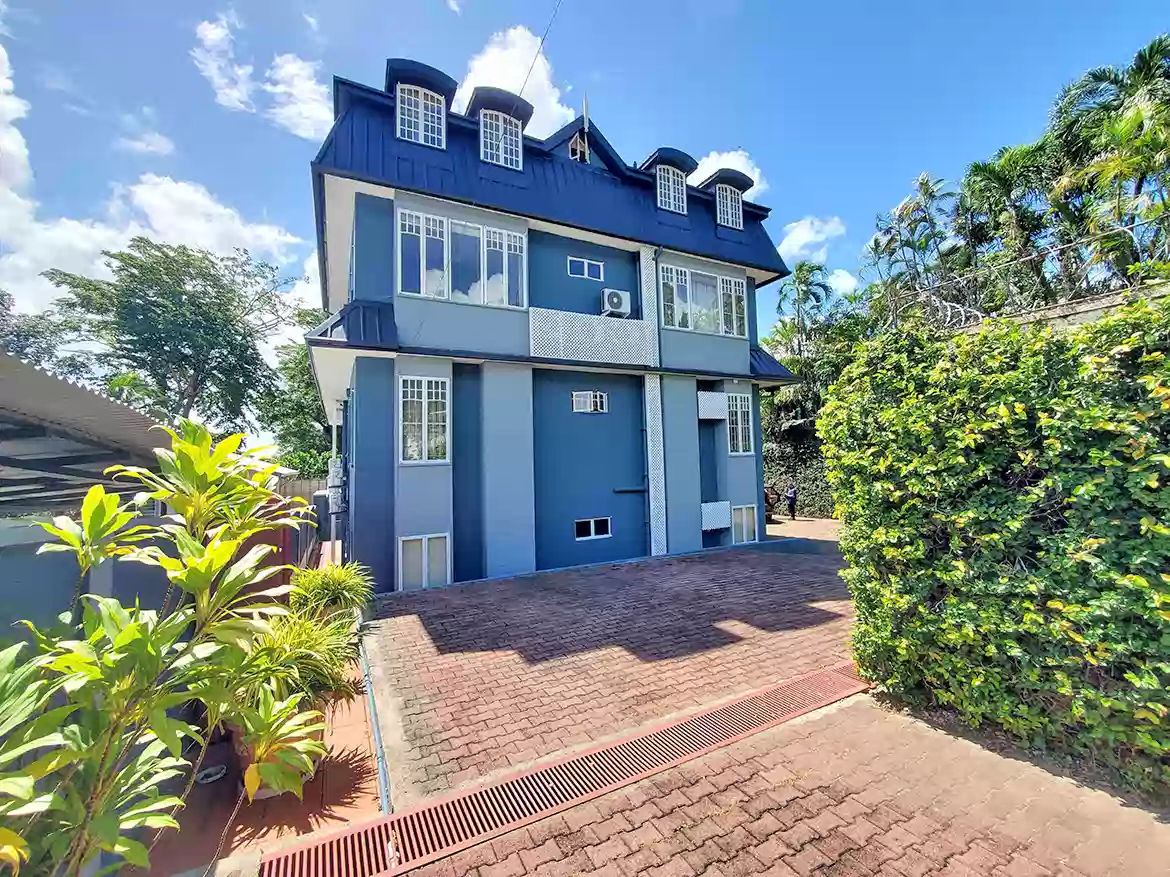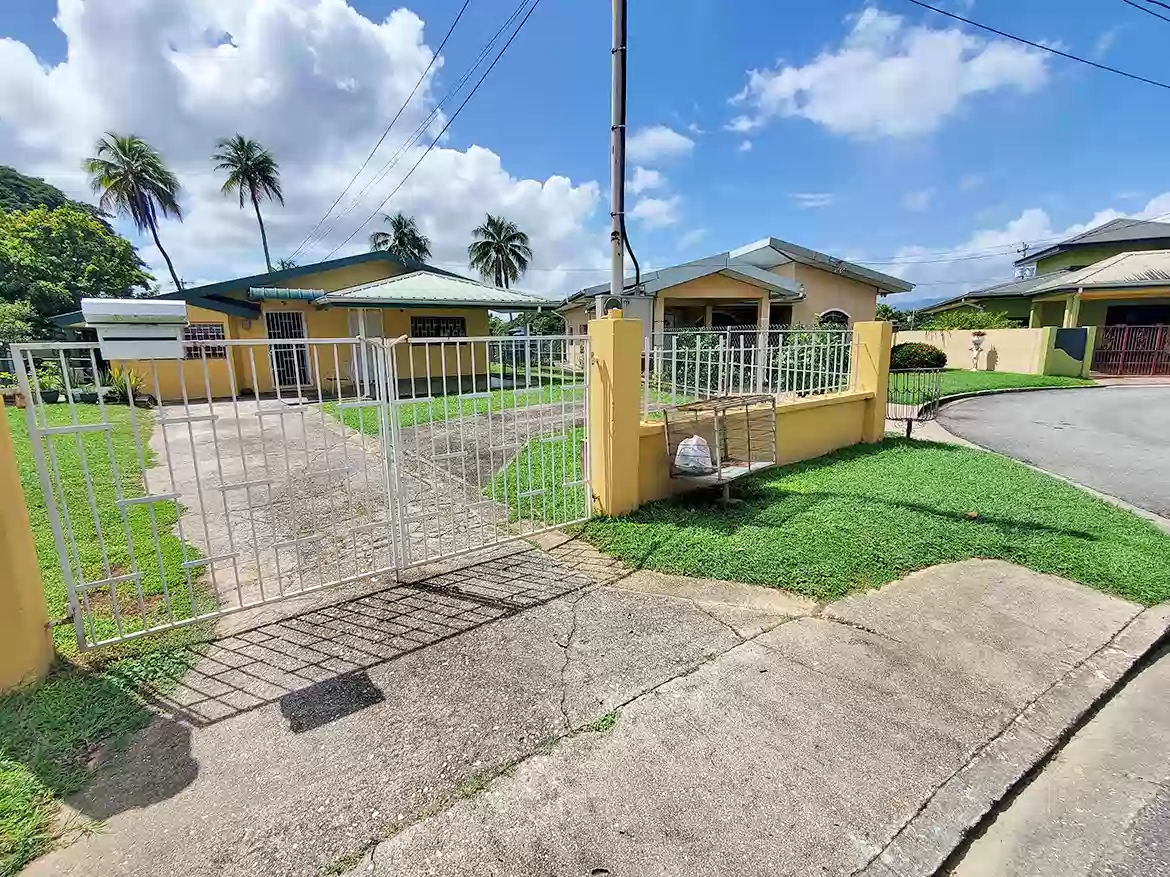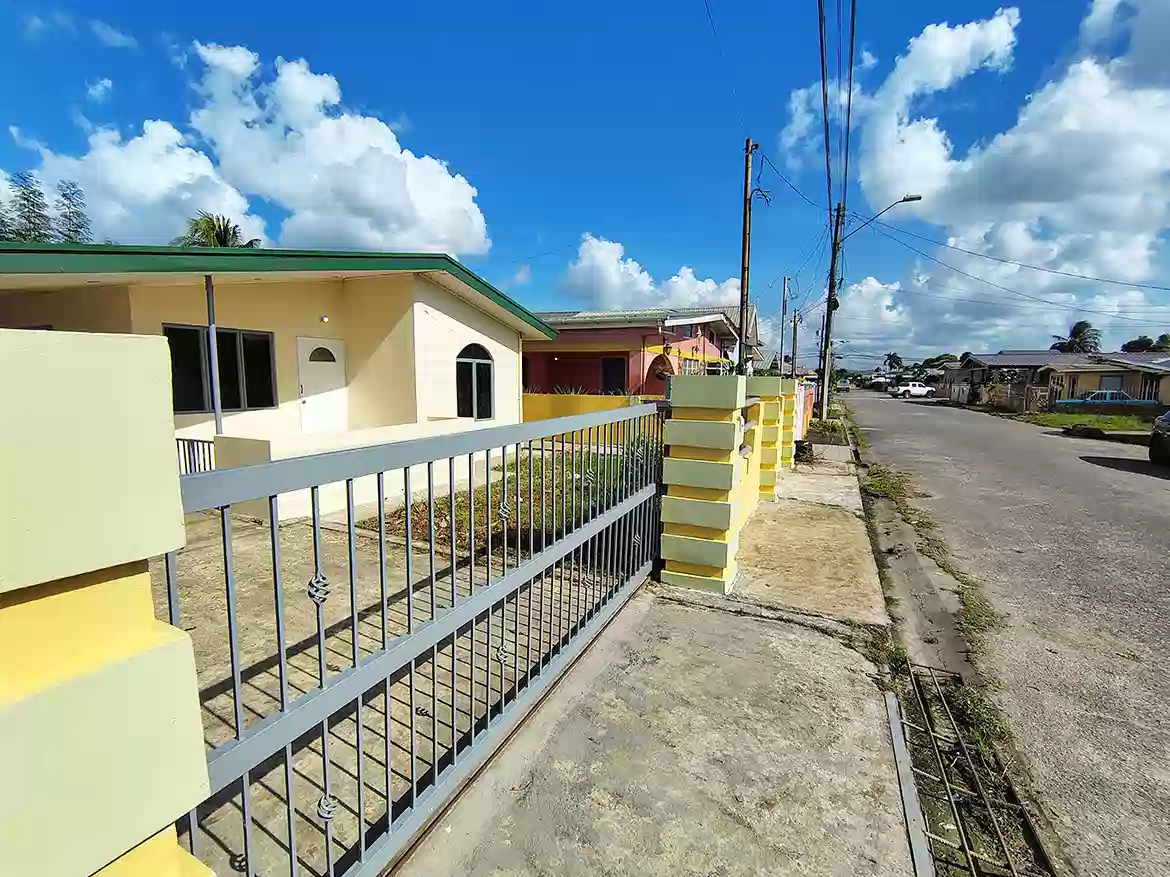









To compare property agents in Trinidad, look at the people guiding the work, their leadership experience, and how clearly they understand the areas you’re considering. A strong local fit is about more than knowing a neighbourhood’s name: it means being able to discuss its character, nearby amenities, and how your plans as a buyer, seller, landlord, or investor may shape the right property search or marketing approach. It also helps to see whether an agent’s knowledge matches the type of property you have in mind, from a home or apartment to land or commercial space. This guide explains how agent and leadership profiles, local market knowledge, and neighbourhood expertise can help you make a more informed comparison across Trinidad. You’ll find practical ways to assess whether an agent’s experience and area insight align with your needs, so you can decide who may be a good fit for your next property step.
Key Takeaways
- Compare agents by how well they explain local neighbourhoods, property types, and the needs behind your plans.
- Read reviews for useful details about communication and support, not just overall praise.
- Look at how listings match your target areas and property needs before judging an agent’s fit.
- Use a clear comparison process to weigh experience, local insight, and the service you need next.
Local market and neighbourhood expertise
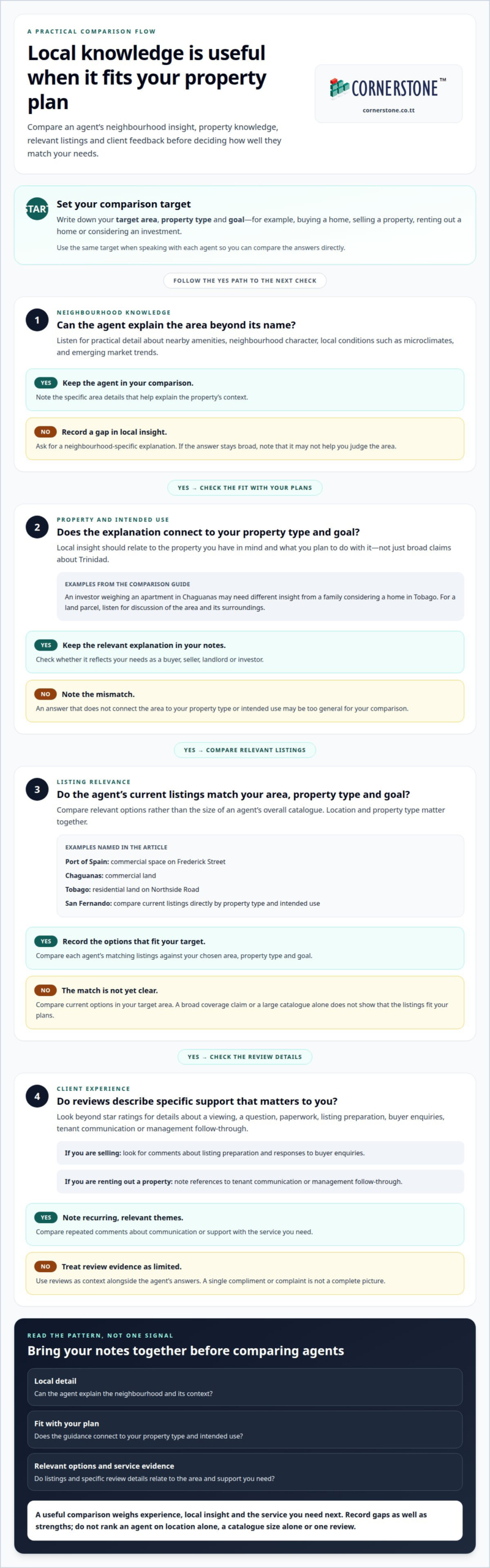
To compare property agents in Trinidad, assess their knowledge of the specific neighbourhoods you’re considering. A useful discussion should connect your plans with local amenities, neighbourhood character, microclimates, and emerging market trends. For example, an investor weighing an apartment in Chaguanas may need different local insight from a family considering a home in Tobago. The agent’s explanation should relate to your property type and intended use, not just broad claims about the island.
Look for practical detail. An agent familiar with Port of Spain, San Fernando, Chaguanas, and Tobago should be able to explain how area knowledge shapes a property search or listing strategy. Ask how they consider nearby services, the feel of a neighbourhood, and relevant local conditions. Families, retirees, and investors can have different priorities; the right guidance ties those priorities to specific areas. For sellers, local understanding can also help frame a property’s location and nearby amenities clearly for prospective buyers or tenants.
Use a simple comparison step: name the neighbourhood and property type, then note whether each agent’s answer is specific and useful. For a land parcel, listen for discussion of the area and its surroundings. For a rental home, consider whether the conversation reflects the needs of likely tenants. Strong local knowledge helps you judge whether an agent can explain the real estate context behind a property, rather than relying on general descriptions that could fit anywhere.
Client reviews of property agents in Trinidad
When you compare property agents in Trinidad, read the details in reviews, not just the star ratings. Look for accounts of a specific step, such as arranging a viewing, answering a question, or explaining paperwork. A review about finding a rental may describe different support from one about selling a home. Note the property type and service mentioned, then consider whether that experience is relevant to your plans.
Pay attention to communication examples. A review might describe regular updates during a sale, clear explanations after a viewing, or help coordinating a rental application. These specifics are more useful than general praise because they show what the reviewer experienced. For example, if you’re selling, look for comments about listing preparation and responses to buyer enquiries. If you’re renting out a property, note references to tenant communication or management follow-through.
Read a group of reviews in sequence. Separate comments about one transaction from repeated themes across different experiences. Then compare those themes with your priorities: timely updates, clear explanations, or support through a property search. A review is one person’s account, so use it as context alongside the agent’s answers about your needs. Avoid treating a single complaint or compliment as a complete picture. Instead, record two or three recurring points and consider whether they relate to the service you need.
Which Trinidad property agents have the strongest listings for Port of Spain, Chaguanas, San Fernando, and Tobago?
No single agent can be called strongest based on location alone. The useful comparison is how closely current listings match your needs, preferred area, and property type. For example, a buyer seeking commercial space in Port of Spain needs different options from someone looking for residential land in Tobago. Compare each agent’s relevant listings, not just the size of its overall catalogue.
Use named areas to make the comparison specific. Examples in the market include commercial space on Frederick Street in Port of Spain, commercial land in Chaguanas, and residential land on Northside Road in Tobago. These examples show why location and property type matter together. For San Fernando, compare agents’ current listings directly by property type and intended use. A broad claim of nationwide coverage is less useful than relevant options in your target area.
Try this practical check: write down your target location, property type, and goal, such as buying a home or leasing commercial space. Then compare each agent’s matching listings and note whether the options suit those needs. If you’re considering Chaguanas, for instance, distinguish commercial land from a home or apartment search. For Tobago, separate land enquiries from residential building searches. Listing strength is about relevance and choice for your plans, not a ranking based on an unsupported claim that one agent leads every area.
Partner agencies can help you compare listings in your target area.
What risks should buyers, sellers, landlords, and tenants watch for when choosing a Trinidad property agent?
For buyers, unclear listing details can waste time. Look for a clear property description and information about viewing arrangements. Sellers should ask about the marketing plan and how updates will be shared. Clarify how enquiries, viewings, and feedback are handled. If an agent’s explanation stays general, you may not know what to expect after the listing goes live.
Landlords should clarify what property management covers, including how tenant enquiries, applications, and ongoing communication are handled. Tenants should look for clear information about the property and application steps. Confusing instructions or inconsistent details between a listing and viewing can make decisions harder. Keep a written record of key points discussed, such as included facilities and agreed next steps.
Across all four situations, watch for pressure to decide before your questions are answered. Be cautious of promises about a sale, rental, or tenant without a clear explanation of the work involved. Ask for important terms and agreed responsibilities in writing. For a San Fernando sale, for instance, make sure you understand how viewing feedback will reach you. Clear communication helps expose gaps early. It also gives you a practical basis for comparing an agent’s approach with your needs, whether you’re buying, selling, renting out, or seeking a home.
How to compare property agents in Trinidad
To compare property agents in Trinidad, use the same criteria for each conversation. Start with your goal, such as buying in Chaguanas, selling a home, or renting out an apartment. Then assess how each agent’s experience, local knowledge, and proposed support fit that specific need. A consistent approach makes differences easier to spot.
- Match the service to your plan. A buyer needs property search support, while a landlord may need help managing a rental. Note whether the agent’s experience relates to your transaction.
- Test local knowledge. Name your target area, such as Port of Spain or Tobago. Compare how clearly each agent discusses neighbourhood features and relevant property types.
- Review the working approach. For a sale, ask how the agent plans to present the property and handle enquiries. For a rental, focus on tenant applications and ongoing communication.
- Assess communication. Consider whether explanations are direct and questions receive useful answers. Clear updates can make each step easier to follow, from a viewing to a listing decision.
Finally, weigh the evidence against your priorities rather than choosing by one strong impression. A buyer seeking land in Tobago may value different experience from a seller in San Fernando. Write down which agent best fits your location, property type, and required support. This gives you a practical basis for choosing a working relationship suited to your next property step.
Cornerstone
Cornerstone can help once you’ve decided what support you need. Its property sales and rentals serve buyers, sellers, and tenants, while property management supports property owners. Cornerstone offers no-obligation home valuations to help you consider your plans.
Your next step depends on your role. If you’re preparing to sell, consider how property sales support can fit your plans. If you’re looking to rent, explore the available rental listings. Owners considering management can discuss their property’s needs. For an investment property, decide whether sales, rentals, or management best suits your immediate goal.
Landlords can also access a secure online portal alongside property management. Before choosing a service, consider your property type, intended use, and the decision ahead. Being clear about that distinction can make your next conversation more focused.
For a relaxed conversation about your property needs, contact Cornerstone.
Frequently Asked Questions
Which property agents and real estate agencies operate in Trinidad and Tobago?
Cornerstone is a family-run real estate company serving clients in Trinidad and Tobago. Its services include property sales, rentals, and residential property management. This is not a complete directory of agencies operating in the country. To identify a suitable option, begin with the service you need, such as help renting a property or managing one you own, then compare agencies whose work fits that purpose.
How do the leading property agents in Trinidad compare by services, coverage, and reputation?
Compare agencies by the services they provide, the property types they handle, and the evidence behind their reputation. For example, an agency focused on property management may suit a landlord better than one whose work centres on sales. Check whether reviews describe relevant transactions, and whether the agency’s stated service area fits your plans. Avoid treating popularity alone as proof of a good match.
Which agents specialize in residential sales, rentals, commercial property, or land in Trinidad?
Cornerstone provides property sales and rentals, and manages residential properties in Trinidad and Tobago. Check with the company to confirm whether it can assist with your specific property type and transaction. Compare its services with your intended transaction. For instance, a commercial rental enquiry calls for different relevant listings from a residential sale.
How can I verify a Trinidad real estate agent’s credentials, experience, and references?
Ask the agent to explain their relevant experience and describe comparable transactions they have handled. Request references from past clients, then ask those clients about communication and follow-through. You can also review the agency’s published service information and confirm that it matches what the agent tells you. Cornerstone has operated since 2004, which provides a concrete point of reference for its business history.
What questions should I ask before hiring a property agent in Trinidad?
Ask what the service includes, who will handle your enquiries, and how updates will be shared. If you’re selling, ask how the property will be marketed and how viewing feedback will reach you. For a rental, clarify how applications are handled. Landlords can ask what property management covers. Request clear written terms so you understand responsibilities and next steps before proceeding.